GCSE Philosophy and Religious Studies Explained
GCSE Religious Studies Overview
Understanding GCSE Religious Studies
GCSE Religious Studies (RS) isn't just about learning facts about different faiths. It's a course designed to help you understand the core beliefs and practices of major world religions and explore how those beliefs influence individuals and societies. You'll also tackle big ethical and philosophical questions from different viewpoints, including non-religious ones.
This qualification helps you develop critical thinking and empathy. You'll learn to analyze and evaluate different arguments, form your own reasoned opinions, and express them clearly. These are valuable skills for any path you choose after school.
Course Structure
The course is typically split into two main components. First, you'll study the beliefs and practices of two different religions in depth. Second, you'll explore a range of contemporary moral and ethical themes from religious and non-religious perspectives.
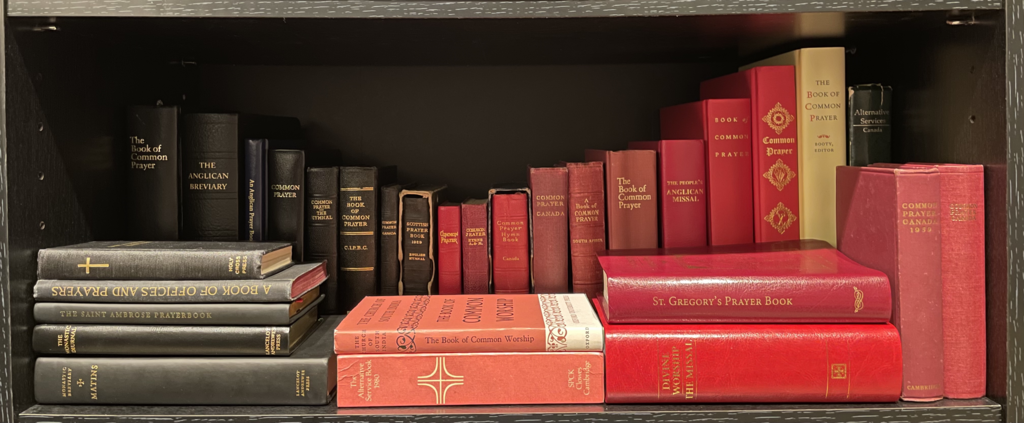
For the Study of Religions component, schools choose two from a list that usually includes Christianity, Islam, Judaism, Hinduism, Buddhism, and Sikhism. You’ll explore their key beliefs, teachings, traditions, and forms of worship. This part of the course focuses on understanding what followers of a religion believe and how they express their faith.
This component isn't about deciding if a religion is 'right' or 'wrong'. It's about understanding its internal logic, its history, and its meaning to believers.
The Thematic Studies component applies this learning to the real world. You will examine four different themes, exploring a range of views on each. Common themes include:
- Religion and life (covering topics like the origins of the universe and abortion)
- Religion, peace and conflict (including violence, terrorism, and pacifism)
- Religion, crime and punishment (addressing issues like the death penalty)
- Religion, human rights and social justice (exploring topics like prejudice and wealth)
How You're Assessed
Your final grade in GCSE Religious Studies is determined by written exams taken at the end of the two-year course. There is no coursework or controlled assessment. These exams are designed to test your knowledge of religious beliefs and your ability to analyze, interpret, and evaluate different viewpoints on ethical issues.

Typically, you'll sit two exam papers, one for each component of the course. The structure is often similar to this:
| Paper | Content Covered | Typical Duration |
|---|---|---|
| Paper 1 | The Study of Two Religions | 1 hour 45 minutes |
| Paper 2 | Four Thematic Studies | 1 hour 45 minutes |
The main examination boards for GCSEs in England are AQA, Edexcel (Pearson), and OCR. While the core content is similar across all of them, there are slight differences in the specific topics offered and the format of the exam questions. It's crucial to know which exam board your school uses so you can study the correct specification.
Beyond learning facts about different faiths, what is a primary skill that GCSE Religious Studies aims to develop?
The GCSE Religious Studies course is typically divided into two main components. What are they?