GCSE Macbeth Analysis
Introduction to Macbeth
A Play for a King
William Shakespeare wrote Macbeth around 1606, just a few years after King James I ascended to the English throne. This timing is no coincidence. Before becoming the king of England, James was King James VI of Scotland. He was fascinated by his Scottish heritage, and a play set in medieval Scotland was a clever way for Shakespeare to capture the new monarch's attention.
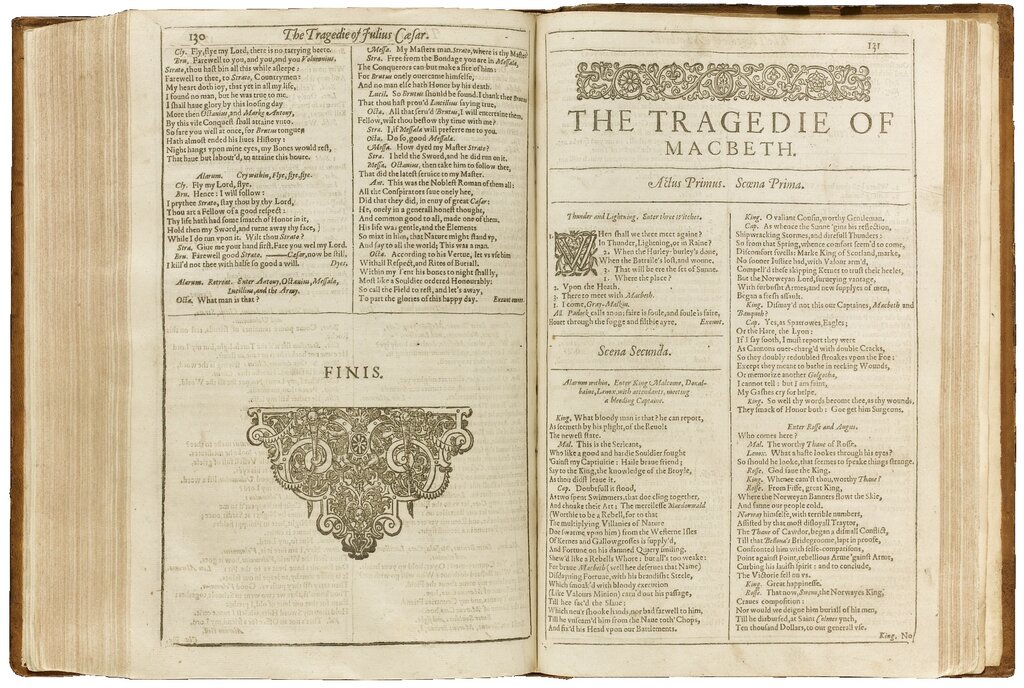
But the play's connections to the king run deeper than just its setting. In 1605, a year before Macbeth was likely first performed, England was rocked by the Gunpowder Plot. This was a failed assassination attempt against King James I by a group of provincial English Catholics. The plotters intended to blow up the House of Lords during the State Opening of Parliament.
The event created a national atmosphere of fear and anxiety surrounding treason and regicide—the act of killing a king. These themes are at the very heart of Macbeth, which tells the story of a Scottish general who murders his king to seize the throne. The play would have felt incredibly current and resonant to its original audience.
Witches and Prophecies
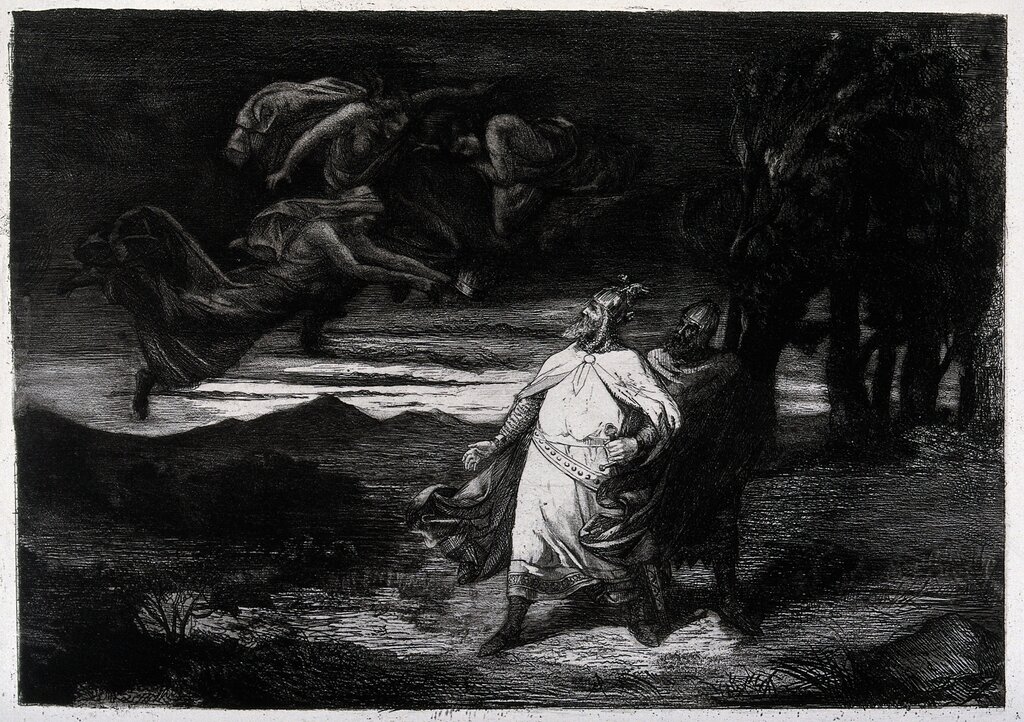
The supernatural is central to Macbeth, from a ghostly dagger to the ghost of a murdered friend. Most famously, the story is set in motion by the prophecies of three witches. This, too, was a deliberate choice to appeal to King James I, who was deeply obsessed with witchcraft and the supernatural.
James even wrote a book on the subject, Daemonologie, in which he explored topics like sorcery and demonic possession. For audiences in Shakespeare's time, witches weren't figures of fantasy. They were considered a real and dangerous threat. The witches in Macbeth would have been seen as genuinely terrifying agents of evil, not just spooky storytellers.
Shakespeare didn't invent the story from scratch. His primary source was Holinshed's Chronicles of England, Scotland, and Ireland, a popular history book from 1587. It contains an account of a real Scottish king named Macbeth who ruled in the 11th century.
However, Shakespeare was a dramatist, not a historian. He freely altered the historical record to craft a more compelling and politically potent story. The real Macbeth, for example, had a legitimate claim to the throne and ruled peacefully for 17 years. Shakespeare's version is a tyrannical usurper who quickly descends into madness.
One of the most significant changes Shakespeare made was to the character of Banquo. According to legend, Banquo was an ancestor of King James I. In Holinshed's Chronicles, Banquo is shown as an accomplice in the murder of the king. Shakespeare rewrites him as a noble, loyal, and virtuous man who resists the temptation of the witches' prophecies. This was a calculated move to flatter the king by portraying his ancestor in a positive light.
Understanding this context is key. Macbeth is not just a timeless tragedy about ambition; it's also a product of its time, shaped by the political anxieties and cultural beliefs of Jacobean England.
Ready to check your understanding?
Which historical event, occurring just before Macbeth was written, directly influenced its themes of treason and the murder of a king?
The inclusion of witches and supernatural elements in Macbeth was a deliberate choice to appeal to which specific interest of King James I?
With this historical and cultural background, you're ready to explore the dark and fascinating world of the play itself.