GCSE Human Geography Essentials
Introduction to Human Geography
What Is Human Geography?
Geography is often mistaken for knowing capitals and memorizing maps. But it's much more than that. The field is broadly split into two main areas: physical geography and human geography.
Physical geography studies Earth's natural systems—things like mountains, rivers, and climates. Human geography, on the other hand, is all about people. It explores how we live, where we settle, and how we organize ourselves across the planet.
Think of it this way: if physical geography is the stage, human geography is the story of the actors on it.
This field looks at a wide range of human activities. It covers how populations grow and move, how cultures spread, and why cities develop in certain places. It also examines our economic systems, like where we produce food and goods, and our political structures, such as how borders are drawn and why they matter. Essentially, it's the study of the human world from a spatial perspective.
People and Planet
A core idea in human geography is the relationship between people and their environment. This is a two-way street. We are constantly changing the world around us, and at the same time, the environment shapes how we live.
Think about agriculture. Humans clear forests to create farmland, changing the landscape. We build dams to control rivers for irrigation. These are examples of human-environment interaction. But the environment also directs our actions. The climate and soil quality of a region determine which crops can be grown there. The presence of natural harbors influenced where ancient civilizations built their major ports.
This dynamic interaction is visible everywhere, from the design of our cities to the paths of our trade routes.
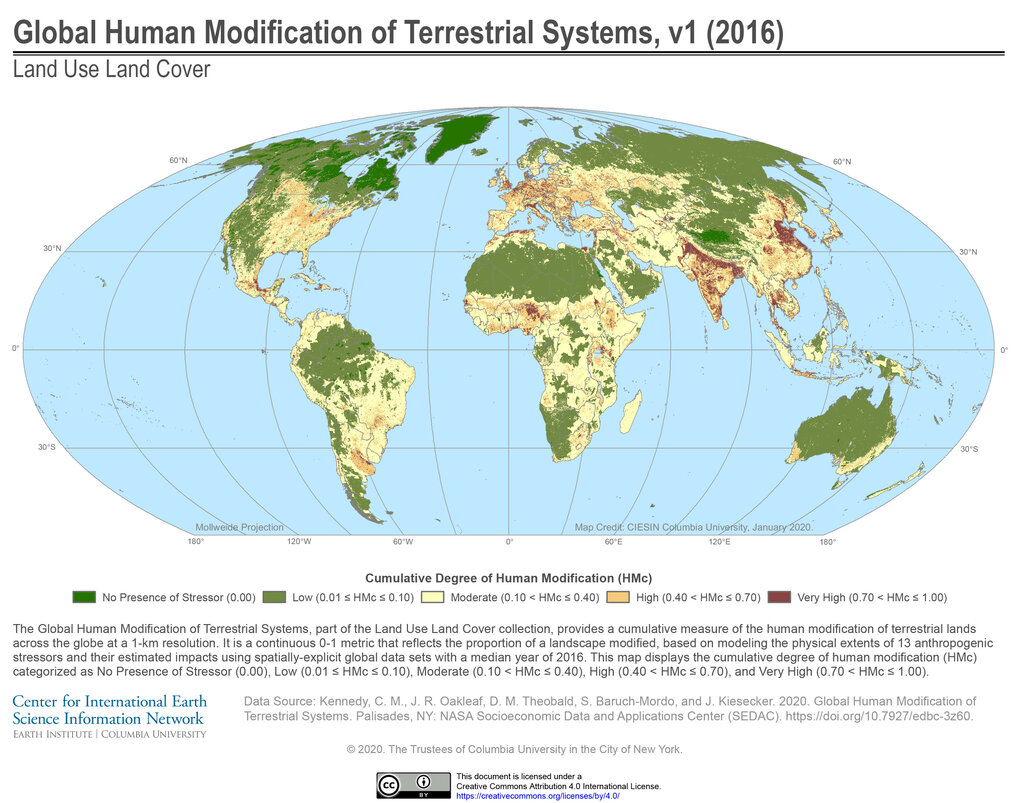
Understanding this relationship is crucial. It helps us see the consequences of our actions, like pollution and deforestation, and find more sustainable ways to live on the planet.
The Why of Where
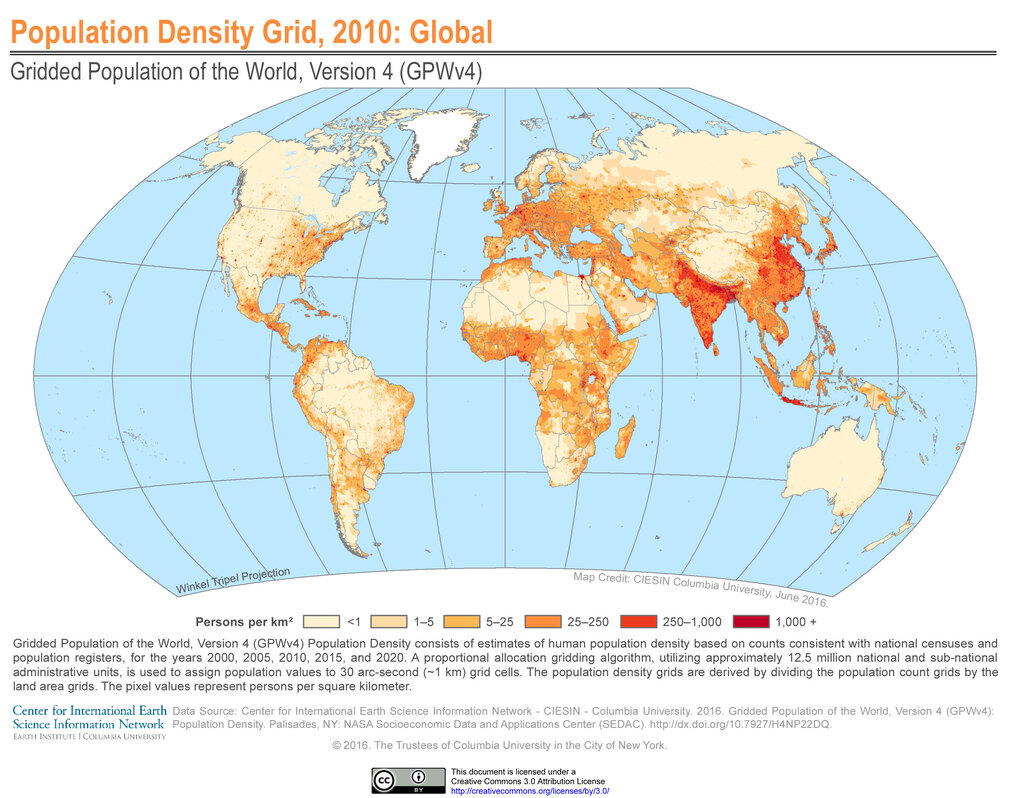
Human geographers are detectives of space. They don't just want to know what is happening, but where and why it's happening there. This focus on location and distribution is called a spatial perspective.
Students are encouraged to reflect on the “why of where” to better understand geographic perspectives.
Consider the distribution of large cities. Why are so many located on coastlines or along major rivers? Access to water for trade, transportation, and resources provides a compelling answer. Or think about the spread of a new fashion trend. A geographer might map its path from a major city to smaller towns, analyzing how distance and cultural connections influence its adoption.
Geographers look for patterns in human activities. Are things clustered together, like tech companies in Silicon Valley? Are they dispersed evenly, like farms in a rural landscape? Or are they arranged in a random pattern? Analyzing these spatial distributions helps reveal the underlying processes that shape our societies.
Why It Matters
So, why study human geography? Because it provides essential context for understanding our world. It helps us grasp the connections between global events and our daily lives. When we read about international trade disputes, migration crises, or the challenges of urban growth, we are dealing with issues of human geography.
By studying how people interact with their environment and organize themselves across space, we can better address pressing global challenges. Planning for sustainable cities, promoting fair economic development, and understanding cultural diversity all rely on a geographic perspective.
It equips us to be more informed global citizens, capable of seeing the intricate links between people, places, and the planet.
Ready to check your understanding? Let's see what you've learned.
What is the primary focus of human geography?
A geographer mapping the locations of coffee shops in a city to see if they are clustered near universities or business districts is using a...
This foundation gives us the tools to explore the fascinating complexities of the human world in more detail.