GCSE English Essentials
Introduction to GCSE English Literature
What to Expect in English Lit
GCSE English Literature is more than just a reading list. It’s a course that teaches you how to think critically about stories, poems, and plays. You'll learn to dig beneath the surface of a text, uncovering the techniques writers use to create meaning and shape our reactions. The goal is to move beyond simply knowing what happens in a story to understanding why it matters and how the author makes it so effective.
The Core Texts
Your journey through English Literature will cover a wide range of texts from different eras. While the exact books and poems you study will depend on your exam board, they generally fall into four main categories.
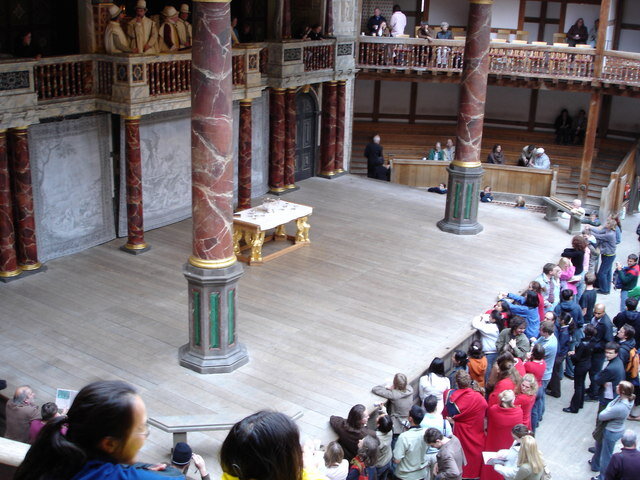
Shakespearean Plays: You will study one of William Shakespeare’s plays. This could be a tragedy like Macbeth or Romeo and Juliet, or a comedy like Much Ado About Nothing. The focus will be on understanding the language, characters, and themes that have made his work timeless.
19th-Century Novels: You’ll also read a novel from the 1800s. Think authors like Charles Dickens (A Christmas Carol), Robert Louis Stevenson (Dr. Jekyll and Mr. Hyde), or Jane Austen (Pride and Prejudice). These books offer a window into a different time, exploring social issues and ideas that still resonate today.
Modern Prose and Drama: This category includes novels and plays written from the early 20th century onwards. Texts like J.B. Priestley’s An Inspector Calls or William Golding’s Lord of the Flies often challenge readers to think about society, morality, and human nature.
Poetry: Finally, you will study a collection of poems. This is usually split into two parts: an anthology of poems connected by a theme (like love, power, or conflict) and analysis of unseen poetry, where you apply your skills to a poem you haven't studied before.
How You're Assessed
Your final grade is based on exams. These exams test a specific set of skills called Assessment Objectives, or AOs. Think of them as the building blocks of a great answer. They are the criteria examiners use to mark your work, so understanding them is key to success.
| Objective | What It Means in Plain English |
|---|---|
| AO1 | Understand the text and support your ideas with quotes. |
| AO2 | Analyze the writer's methods (language, structure, form). |
| AO3 | Connect the text to its historical or social context. |
| AO4 | Write clearly with accurate spelling and grammar. |
As you can see, simply retelling the plot won't get you very far. The real marks are in critical analysis. This means exploring the writer's choices and explaining their effects on the reader. For example, instead of just saying a character is angry, you would analyze the specific words or metaphors the writer uses to show that anger.
You'll also develop skills in comparative evaluation. When studying poetry, for instance, you'll be asked to compare how two different poets explore a similar theme. This involves identifying both similarities and differences in their ideas and techniques, and judging which is more effective.
At its heart, GCSE English Literature teaches you how to build a convincing argument about a text, using evidence from the text itself to support your claims.
Let's review some of the key ideas we've covered.
Now, check your understanding of the course structure.
What is the primary goal of GCSE English Literature?
Which of the following text categories is NOT typically a core component of the GCSE English Literature course?
This foundation gives you everything you need to begin exploring the specific texts on your course. By focusing on the core skills of analysis and evaluation, you'll be well-prepared to tackle any play, novel, or poem that comes your way.