GCP vs GKE Understanding for Product Managers
Cloud Computing Basics
What Is Cloud Computing?
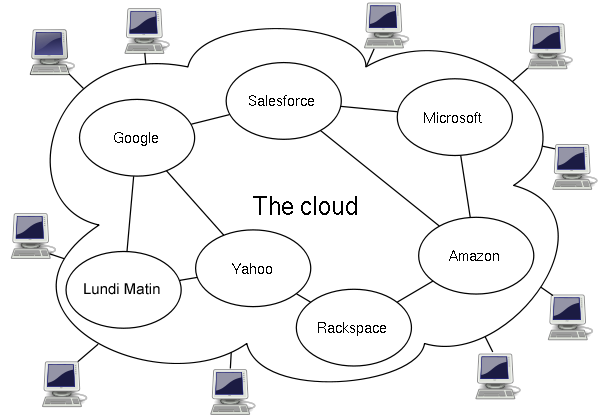
Think about the electricity in your home. You don't own a power plant in your backyard. Instead, you plug into a massive, shared grid and pay for what you use. Cloud computing works in a very similar way, but for things like servers, storage, and software.
Instead of buying and maintaining your own expensive computer servers, you can access these services from a cloud provider over the internet. This gives you on-demand access to a shared pool of computing resources.
Cloud computing is the on-demand delivery of services that include database storage, compute power, applications, networking, and other IT resources.
This means you can get the computing power you need, right when you need it, without the headache of managing the physical hardware yourself. Everything from streaming movies to running complex business applications can be powered by the cloud.
The Benefits of the Cloud
Why has this model become so popular? The advantages are significant for everyone from individual developers to the world's largest companies.
- Cost Savings: Forget massive upfront investments in hardware and data centers. With the cloud, you shift to a pay-as-you-go model. You only pay for the resources you actually consume, which can dramatically lower your expenses.
- Flexibility and Scalability: Need more computing power for a big product launch? You can get it in minutes. When traffic dies down, you can scale back just as quickly. This elasticity means you're never paying for idle equipment.
- Global Reach: Cloud providers have data centers all over the world. This lets you deploy your applications closer to your users, reducing latency and improving their experience, no matter where they are.
- Reliability: Cloud providers have teams of experts dedicated to maintaining and securing their infrastructure. This includes managing updates, ensuring uptime, and handling data backup and disaster recovery, which is often more robust than what a single organization could build on its own.
Cloud Service Models
Cloud computing isn't a one-size-fits-all solution. Services are typically offered in three main categories, each providing a different level of control and management. A helpful analogy is ordering a pizza.
You can buy the raw ingredients and make it yourself from scratch, get a pre-made pizza you just have to bake, or have a hot pizza delivered right to your door. Each option involves a different amount of work on your part.
Infrastructure as a Service (IaaS) provides the fundamental building blocks of computing infrastructure: virtual servers, storage, and networking. It offers the most control, as you manage the operating system and everything on top of it. This is like buying the pizza ingredients; you have full control over the final product.
Platform as a Service (PaaS) goes a step further. The provider manages the underlying infrastructure, including the operating system and development tools. You just focus on deploying and managing your applications. This is the take-and-bake pizza. The foundation is prepared for you, but you control the final cooking and toppings.
Software as a Service (SaaS) is the most hands-off model. You access ready-to-use software directly over the internet, typically through a subscription. The provider manages everything from the hardware to the software itself. Think of web-based email or office suites. This is like having a pizza delivered, ready to eat.
Cloud Deployment Models
Beyond the service model, you also have choices about where the cloud infrastructure is located and who has access to it. There are three primary deployment models.
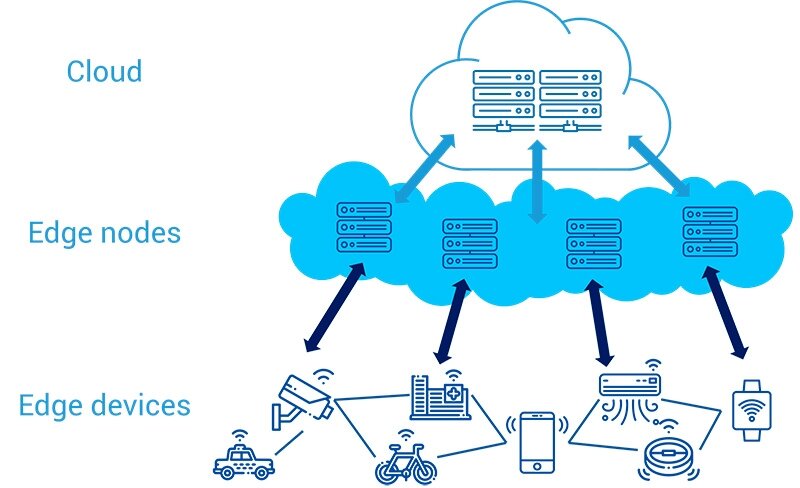
Public Cloud: The cloud infrastructure is owned and operated by a third-party cloud provider (like Google, Amazon, or Microsoft). They deliver their computing resources over the internet. All hardware, software, and other supporting infrastructure is owned and managed by the provider. This is the most common model.
Private Cloud: The cloud computing resources are used exclusively by a single business or organization. A private cloud can be physically located in the company’s on-site data center, or it can be hosted by a third-party service provider. The services and infrastructure are always maintained on a private network.
Hybrid Cloud: This model combines public and private clouds, binding them together with technology that allows data and applications to be shared between them. This gives businesses greater flexibility and more deployment options. For example, a company might use the public cloud for high-volume, non-sensitive tasks while keeping business-critical data in a private cloud.
Time to check your understanding of these fundamental cloud concepts.
What is the core concept of cloud computing?
A startup is launching a new app and expects a huge, unpredictable surge in users on its first day. Which key benefit of cloud computing is most relevant to this situation?
Understanding these core ideas—what the cloud is, its benefits, and its different models—is the first step to working with powerful cloud platforms.