Garage Door Opener Installation and Programming
Garage Door Opener Types
The Mechanics of Opening
At its core, a garage door opener is a motorized device that controls the opening and closing of your garage door. While they all accomplish the same task, how they do it can vary quite a bit. The mechanism that connects the motor to the door is called the drive system. Different drive systems have unique characteristics affecting their noise level, speed, maintenance needs, and cost. Understanding these types is the first step in troubleshooting or choosing a new system.
The Classic Drives
The two most common types of openers you'll find are chain drives and belt drives. They operate on a similar principle but with one key difference in materials.
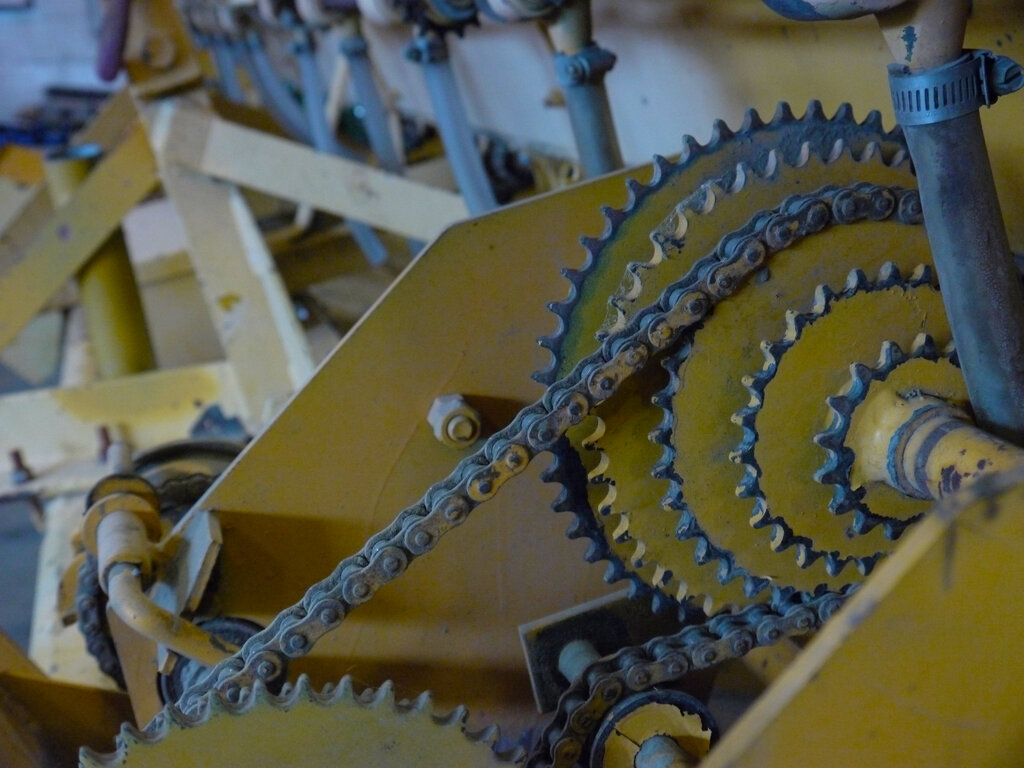
Chain drive openers use a metal chain to push or pull a trolley that moves the door along its tracks. Think of it like a bicycle chain. This design is incredibly reliable and has been a popular choice for decades because it's strong and affordable. The main drawback? They are noisy. The metal-on-metal action creates a distinct rattling sound that's hard to miss.
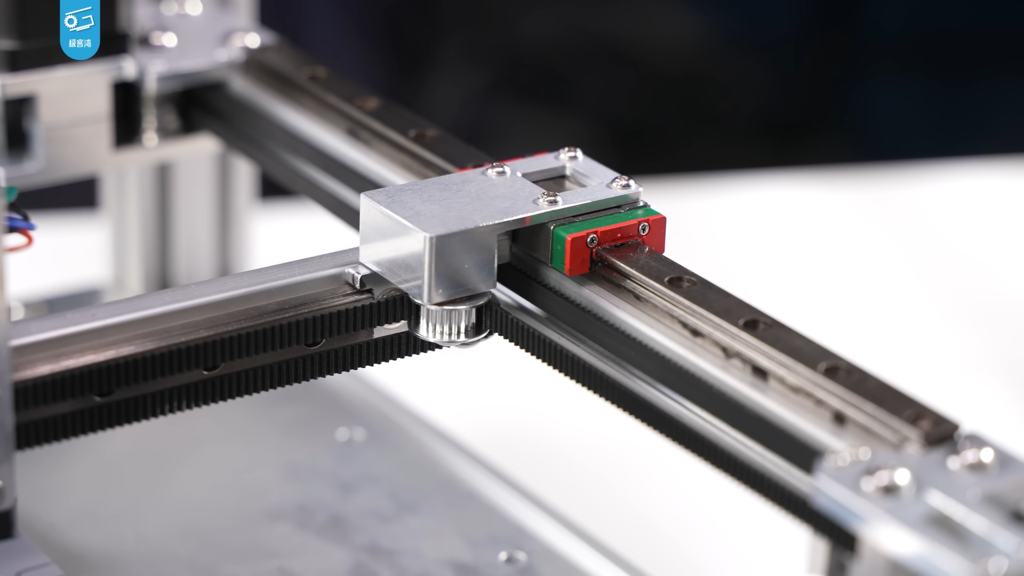
Belt drive openers work the same way as chain drives, but they swap the noisy metal chain for a steel-reinforced rubber belt. This simple change makes a huge difference. Belt drives are significantly quieter and smoother in operation, making them an excellent choice for garages attached to living spaces.
The quiet operation comes at a slightly higher price point, but many find the peace and quiet to be worth the extra cost. They are just as reliable as their chain-driven counterparts.
Other Opener Designs
Beyond chain and belt systems, several other designs offer unique advantages.
Screw drive openers use a long, threaded steel rod to move the lifting mechanism. As the motor turns the rod, the trolley moves along it, opening or closing the door. With fewer moving parts than chain or belt drives, they are known for being low-maintenance and relatively fast. However, they can be noisy and may require regular lubrication, especially in climates with extreme temperature swings.
Direct drive openers are one of the simplest and quietest systems available. In this design, the motor itself is the only moving part. It travels along a stationary chain embedded in an overhead rail, pulling the door with it. The lack of moving gears and belts results in minimal vibration and near-silent operation, along with outstanding durability.
A jackshaft opener breaks the mold entirely. Instead of being mounted on the ceiling in the center of the garage, it's mounted on the wall next to the garage door. It works by turning the door's torsion bar directly. This design is perfect for garages with high, low, or obstructed ceilings where a traditional opener wouldn't fit. It's also very quiet and leaves the overhead space free for storage.
Finally, roller openers are designed specifically for roll-up doors, which are common in commercial settings and sheds. In these systems, the motor is typically housed inside the roller mechanism at the top of the door, making for a compact and integrated unit.
| Drive Type | Noise Level | Key Advantage | Best For |
|---|---|---|---|
| Chain | Loud | Durability & Cost | Detached garages, budget-conscious buyers |
| Belt | Quiet | Smooth Operation | Attached garages, quiet operation is key |
| Screw | Moderate | Speed & Fewer Parts | Wide or heavy doors, low maintenance |
| Direct | Very Quiet | Simplicity & Reliability | Garages where minimal noise is essential |
| Jackshaft | Quiet | Space-Saving | Garages with high or obstructed ceilings |
Let's review these different opener types.
Now, check your understanding.
What is the primary advantage of a belt drive garage door opener over a chain drive opener?
For a garage with an unusually high ceiling that needs to be kept clear for a car lift, which opener type is the most suitable?
Each opener type offers a different blend of performance, price, and convenience, tailored to specific needs and garage configurations.