Garage Door Installation Essentials
Introduction to Garage Doors
Understanding Garage Doors
A garage door is more than just a barrier; it's a complex system of moving parts that provides security and convenience. Before tackling an installation, it's crucial to understand the different types of doors and the components that make them work. Think of it as learning the anatomy of your garage.
Common Door Types
While there are many styles, most garage doors fall into a few main categories, each with a distinct way of opening and closing.
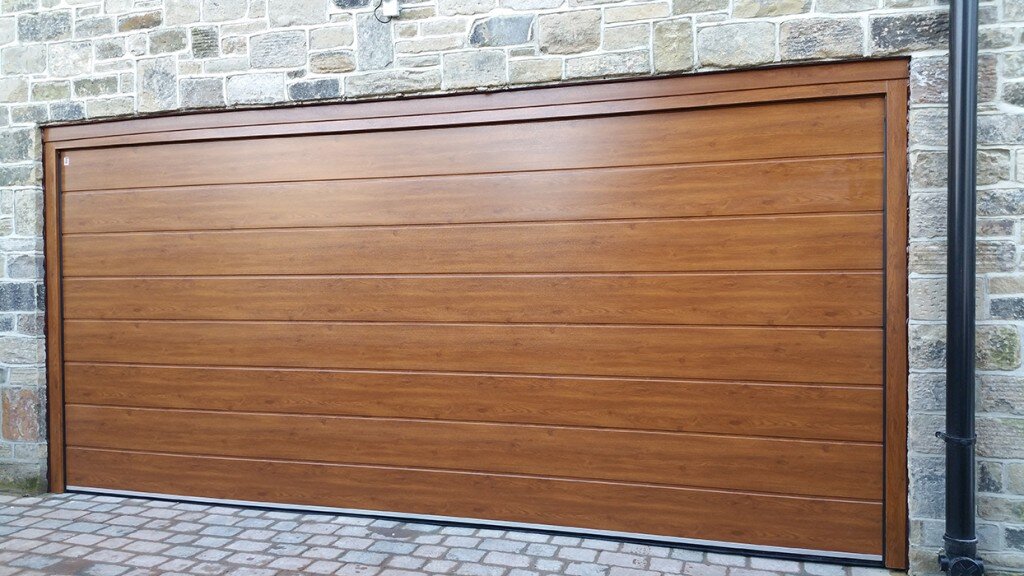
Sectional Doors: These are the most popular choice for homes today. They consist of horizontal panels hinged together. As the door opens, these panels bend and glide along a track system up and into the garage, sitting parallel to the ceiling when fully open.
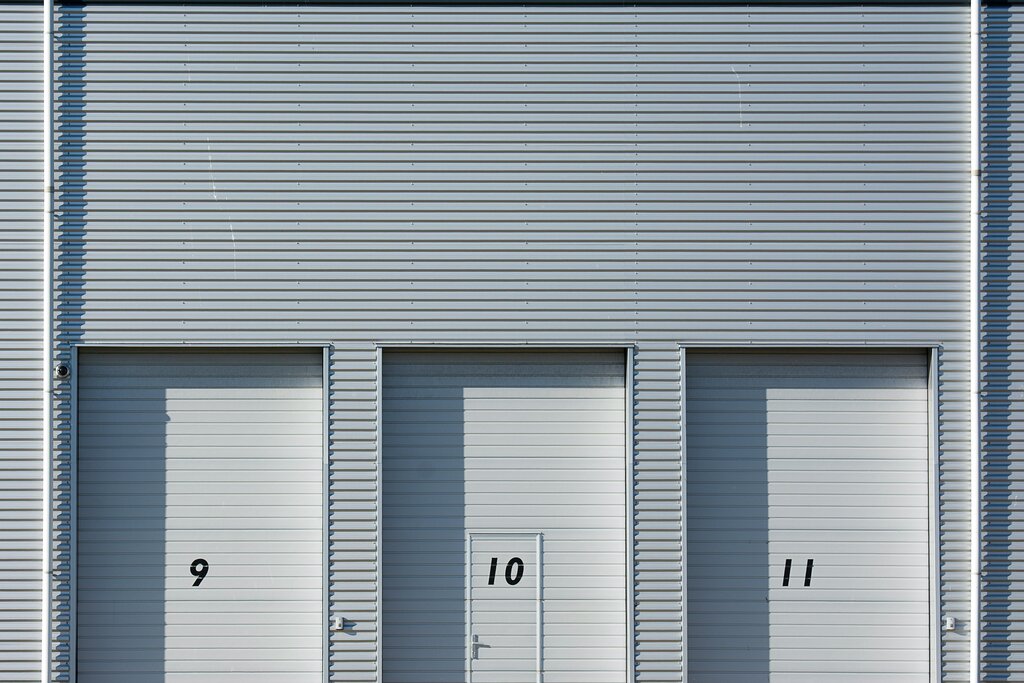
Roll-Up Doors: You'll often see these in commercial settings, but they can be used for residences too. A roll-up door is made of corrugated steel slats that coil around a drum when the door opens. They're durable and don't require much ceiling space inside the garage.
Side-Hinged Doors: These operate like traditional doors, swinging open from the middle on hinges mounted to the sides of the opening. Often made of wood, they offer a classic, barn-door look but require clear space in the driveway to swing open.
The Key Components
Regardless of the type, most garage doors rely on a similar set of hardware to function. Understanding these parts is key to grasping how the whole system operates.
- Panels: These make up the door itself. They can be made of steel, aluminum, wood, or composite materials and come in various styles and colors.
- Tracks: Metal tracks are installed on both sides of the door opening and along the ceiling. They guide the door as it moves up and down.
- Rollers: Small wheels attached to the door panels that fit into the tracks, allowing the door to roll smoothly.
- Springs: These are the muscle of the system. Springs are wound under tension and do the actual heavy lifting. Without them, a garage door would be incredibly heavy. The two common types are torsion springs (mounted above the door) and extension springs (running along the horizontal tracks).
- Cables: Steel cables connect the springs to the bottom of the door, transferring the lifting force from the springs to the door.
- Opener: This is the motorized unit that controls the door's movement. While it seems like it's doing all the work, the opener mainly just initiates and guides the motion. The springs provide the power.
How It Works
The operation is a balanced dance between all the components. The springs are calibrated to counteract the weight of the door. This balance is what makes it possible to lift a door weighing hundreds of pounds with just one hand, or with the small motor in an automatic opener.
When you hit the button on your opener, the motor pulls the top of the door. This starts the movement, and the tension in the springs takes over, unwinding to lift the door's weight. The rollers glide within the tracks, guiding the panels up and back. When closing, the process reverses: gravity helps pull the door down, and the springs wind back up, storing energy for the next opening.
Now that you know the different types of doors and the parts that make them move, you're better equipped to understand the scope of a garage door project.
Let's check your understanding of these fundamental concepts.
What is the primary function of the springs in a garage door system?
A homeowner wants a door with a traditional, barn-like appearance that swings open outwards from the middle. Which type of garage door best fits this description?