Ganoderma Census in Oil Palm
Introduction to Ganoderma in Oil Palm Plantations
A Menace in the Plantation
Deep in the world of fungi, there's a group known as Ganoderma. These are a type of bracket fungus, often seen as woody, shelf-like growths on the sides of trees. While many fungi play beneficial roles in our ecosystems, some species of Ganoderma are formidable plant pathogens.
Pathogen
noun
A bacterium, virus, or other microorganism that can cause disease.
Taxonomically, Ganoderma belongs to the kingdom Fungi, phylum Basidiomycota—the same group that includes common mushrooms. What makes Ganoderma particularly noteworthy in agriculture is its ability to infect and kill living trees, especially in tropical regions. It's a major concern in oil palm plantations, where it poses a significant threat to one of the world's most important crops.
The Silent Killer of Palm Trees
The primary disease caused by Ganoderma in oil palms is Basal Stem Rot (BSR). As the name suggests, the fungus attacks the base of the palm's stem, or trunk. It's a devastating disease because it works from the inside out, making it difficult to detect in its early stages.
Ganoderma is a white-rot fungus, meaning it breaks down lignin and cellulose, the main components that give wood its strength and structure.
The infection begins in the root system or the base of the trunk, often spreading from infected debris left in the soil from previously diseased palms. The fungal mycelium—a network of fine, thread-like structures—grows into the palm's woody tissue, slowly decaying it. For years, an infected palm might show no outward signs of distress. By the time the characteristic fungal fruiting body, or conk, appears at the base of the tree, the internal damage is already severe and irreversible.
As the rot progresses, the palm's ability to transport water and nutrients is compromised. This eventually leads to visible symptoms in the canopy, such as yellowing leaves and reduced fruit production, before the tree ultimately collapses.
The Economic Fallout
The impact of Basal Stem Rot on the palm oil industry is enormous. Palm oil is a key ingredient in countless consumer products, from food to cosmetics, and the industry supports millions of livelihoods. Ganoderma directly threatens this economic engine.
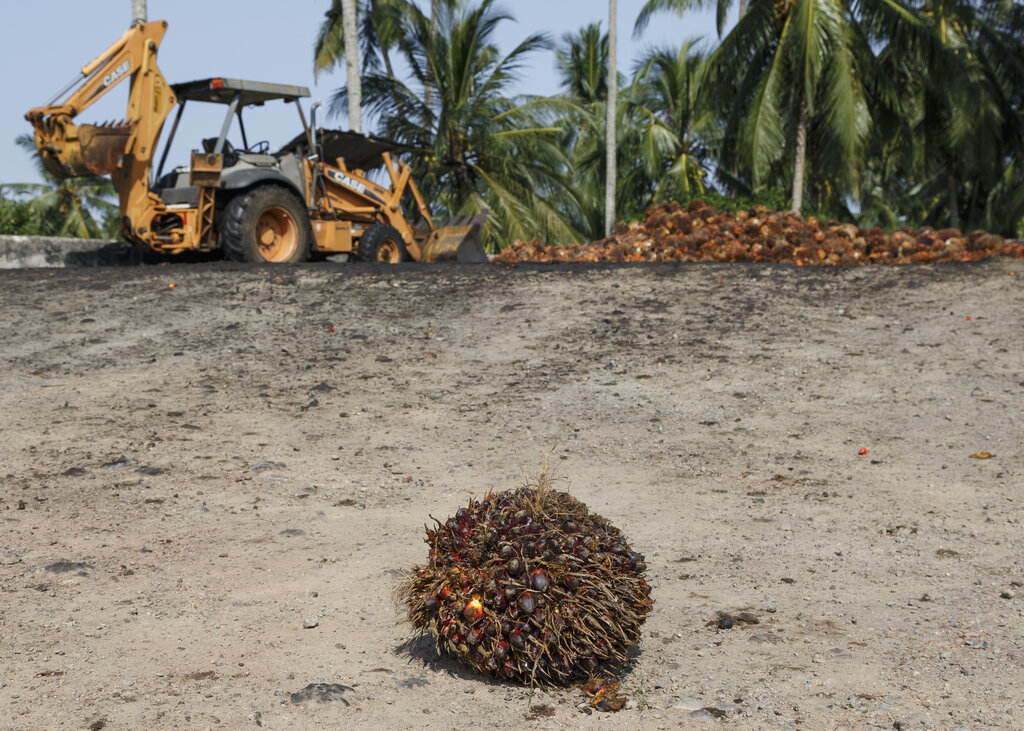
Diseased trees produce fewer and lower-quality fruit bunches, leading to significant yield losses. In areas with high infection rates, annual losses can reach up to 80% over the palm's 25-year lifespan. The cost isn't just in lost fruit; it also includes the expense of removing dead trees and the lost potential of the land they occupied.
Globally, the economic damage caused by Ganoderma is estimated to be hundreds of millions of dollars each year. This makes the fungus not just a biological problem, but a major economic one that researchers and plantation managers are working hard to understand and combat.
Let's test your understanding of this fungal threat.
What is the primary disease caused by Ganoderma in oil palm plantations?
Why is Basal Stem Rot often difficult to detect in its early stages?
Understanding the nature of Ganoderma is the first step in protecting these vital crops.