GAMP 5 System Validation Framework
Modern Lifecycle Approach
A Modern Lifecycle Approach
The latest edition of GAMP 5 signals a significant shift in thinking. It moves away from the traditional, document-heavy model of validation toward a more flexible, risk-based lifecycle. The core philosophy is simple but profound: Quality cannot be inspected into a system at the end; it must be built in from the very beginning.
This evolution is best seen in the transition from traditional Computerized System Validation (CSV) to (CSA). CSV often became a box-ticking exercise, focused on generating a mountain of paperwork to prove a system worked as specified. It was rigid and treated testing as a final gate before release.
CSA, on the other hand, is a critical-thinking approach. It asks a more practical question: "What is the risk to the patient if this feature fails?" Instead of testing everything with the same intensity, CSA focuses verification efforts on high-risk functions. This frees up resources and encourages the use of modern development methods and automated tools, ensuring the system is truly fit for its intended use without unnecessary drag.
The final guidance confirms the agency's shift away from the older method of software validation—computer system validation (CSV)—to the newer, risk-based approach of CSA.
The Five Key Concepts
The GAMP 5 framework is built on five interconnected concepts that guide this modern, efficient approach. They work together to ensure that the primary goals of patient safety, product quality, and data integrity are always the central focus.
-
Product and Process Understanding: You can't ensure quality if you don't deeply understand what the system does and how it supports the business process. This is the foundation for making informed, risk-based decisions.
-
Lifecycle Approach within a (QMS): Computerized systems are not static. Quality activities must be managed from initial concept through retirement, all operating within the framework of a robust QMS.
-
Scalable Lifecycle Activities: The level of effort, formality, and documentation should be proportional to the risk, complexity, and novelty of the system. A simple lab instrument doesn't require the same exhaustive validation as a global clinical trial data management system.
-
Science-based Quality Risk Management (QRM): This is the engine of the GAMP 5 approach. It provides a systematic process to identify, evaluate, and control potential risks to product quality and patient safety throughout the lifecycle.
-
Leveraging Supplier Involvement: Modern systems are rarely built from scratch. It's more efficient to leverage the supplier's knowledge, documentation, and quality processes. This involves assessing suppliers and using their testing evidence to avoid redundant work.
Flexible and Iterative Lifecycles
The classic V-Model of development, with its rigid, linear progression from requirements to testing, has been modernized. While its principles remain valuable, GAMP 5 acknowledges that modern software development is often iterative and incremental, especially with Agile methodologies.
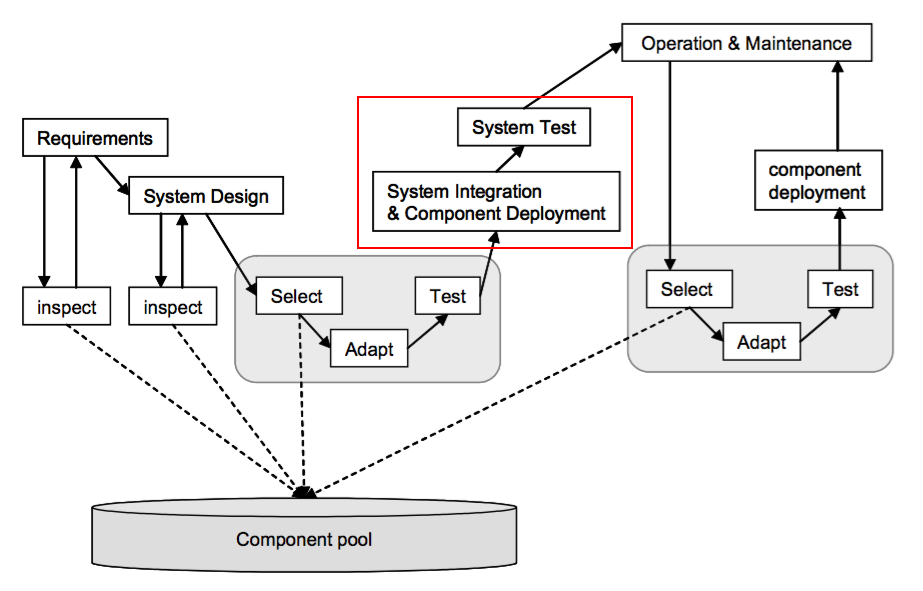
Instead of one large "V," the lifecycle might consist of several smaller, interconnected V-models or cycles. Each cycle could represent a sprint in an Agile project, where a small piece of functionality is specified, built, and tested. This iterative approach allows for greater flexibility, faster feedback, and a development process that can adapt to changing requirements. The key is that the principles of linking specification to verification are maintained, regardless of the development methodology used.
Agile is an iterative approach to software development and project management that emphasizes incremental delivery, collaboration, and continuous improvement.
By embracing this modern lifecycle, organizations can achieve compliance more efficiently. They focus resources on what truly matters: ensuring systems are fit for their intended use and that patient safety, product quality, and data integrity are protected at every stage.
What is the primary philosophical shift from traditional Computerized System Validation (CSV) to Computer Software Assurance (CSA) as promoted by GAMP 5?
According to the GAMP 5 concept of 'Scalable Lifecycle Activities', how should a company approach the validation of a simple, low-risk laboratory instrument compared to a complex, global clinical trial data management system?