Game Level and Mechanic Balancing
Introduction to Game Design
What is Game Design?
Game design is the art of crafting the rules, content, and structure of a game. Think of a game designer as an architect for an experience. Instead of designing a building, they design a world of challenges, choices, and interactions. Their goal is to create a space where a player can have a meaningful and enjoyable time.
Why does it matter? Because good design is the difference between a game that pulls you in and one that pushes you away. It’s the invisible hand guiding your journey, making sure the challenges are tough but fair, the rules are clear, and the rewards feel earned. A well-designed game respects the player's time and intelligence, creating an experience that's compelling from start to finish.
The Building Blocks of Fun
To understand how designers create these experiences, we can use a simple framework called Mechanics, Dynamics, and Aesthetics, or MDA. It helps break down a game into its core components.
Mechanics
noun
The rules and basic actions that make up the game. They are the individual components the designer creates, like the ability to jump, collect coins, or the way chess pieces move.
Next come dynamics. These are the emergent behaviors that happen when players interact with the mechanics. If the mechanic is 'a pawn moves one space forward,' the dynamic is the player using a line of pawns to create a defensive wall. Dynamics are the game in motion, the strategies and patterns that arise during play.
Mechanics are what the designers create. Dynamics are what the players do.
Finally, we have aesthetics. This isn't just about how a game looks. It's about the emotional response the game evokes in the player. Is the game about the thrill of discovery? The fellowship of playing with friends? The challenge of mastering a difficult skill? These feelings are the aesthetics, and they're the ultimate goal of the design process. The mechanics and dynamics work together to create these desired emotions.
Keeping Players Hooked
A great game captures and holds a player's attention. This is called engagement. But what motivates someone to stay engaged? Motivations can be split into two types: intrinsic and extrinsic.
- Intrinsic motivation is the drive to do something because it's inherently enjoyable. Exploring a vast, beautiful world, solving a clever puzzle, or mastering a new skill are all intrinsic rewards.
- Extrinsic motivation comes from external rewards. Earning points, unlocking achievements, or finding a rare piece of gear are extrinsic rewards. They aren't the activity itself, but a prize for doing it.
Good game design usually blends both. The extrinsic rewards (like leveling up) can help guide the player, but the intrinsic fun of the core gameplay is what truly makes a game memorable. To understand player motivations better, designers often use frameworks that categorize different types of players.
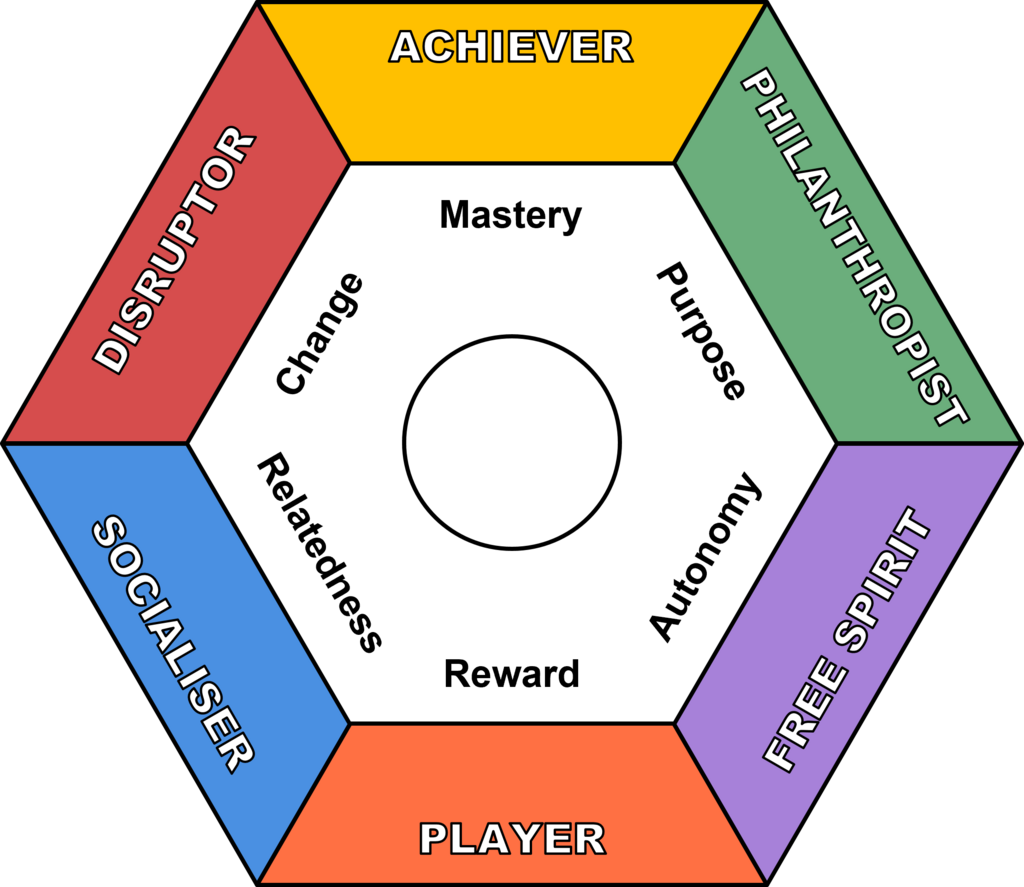
By understanding whether a player is motivated by achievement, socializing, or creative expression, a designer can craft mechanics that appeal directly to them.
Playing Fair
Finally, let's talk about fairness. A game doesn't need to be easy, but it must feel fair. Fairness in game design means the rules are consistent, the challenges are understandable, and the player feels like they have a reasonable chance to succeed based on their skill or choices.
When a player loses, they should feel it was their own mistake, not that the game cheated. If they fail, they should have a clear idea of what to try differently next time. This is why clear feedback is so important. When you take damage, the screen might flash red. When you solve a puzzle, a chime might play. This feedback loop helps players learn the rules and feel in control of their destiny.
Fairness isn't about winning or losing. It's about understanding why you won or lost.
These core principles—the MDA framework, player motivation, and the concept of fairness—are the bedrock of game design. They are the tools designers use to build not just games, but entire worlds of experience.
In the context of the Mechanics, Dynamics, and Aesthetics (MDA) framework, what does 'Aesthetics' primarily refer to?
A player who enjoys meticulously exploring every corner of a map just for the joy of discovery is primarily driven by what?