Game Development Fundamentals
Introduction to Game Development
The Dawn of Digital Play
Video games started as simple experiments in university labs in the 1950s and 60s. Games like Tennis for Two and Spacewar! were basic, but they sparked an idea: computers could be for fun. This idea exploded in the 1970s with arcade hits like Pong, a simple table tennis game that became a cultural phenomenon. Suddenly, video games were everywhere.
The 1980s brought games into the home with consoles like the Atari 2600 and the Nintendo Entertainment System. Characters like Mario and Pac-Man became household names. Technology kept improving, moving from simple 2D pixels to sprawling 3D worlds. Today, games are a massive global industry, blending art, technology, and storytelling in incredible ways.
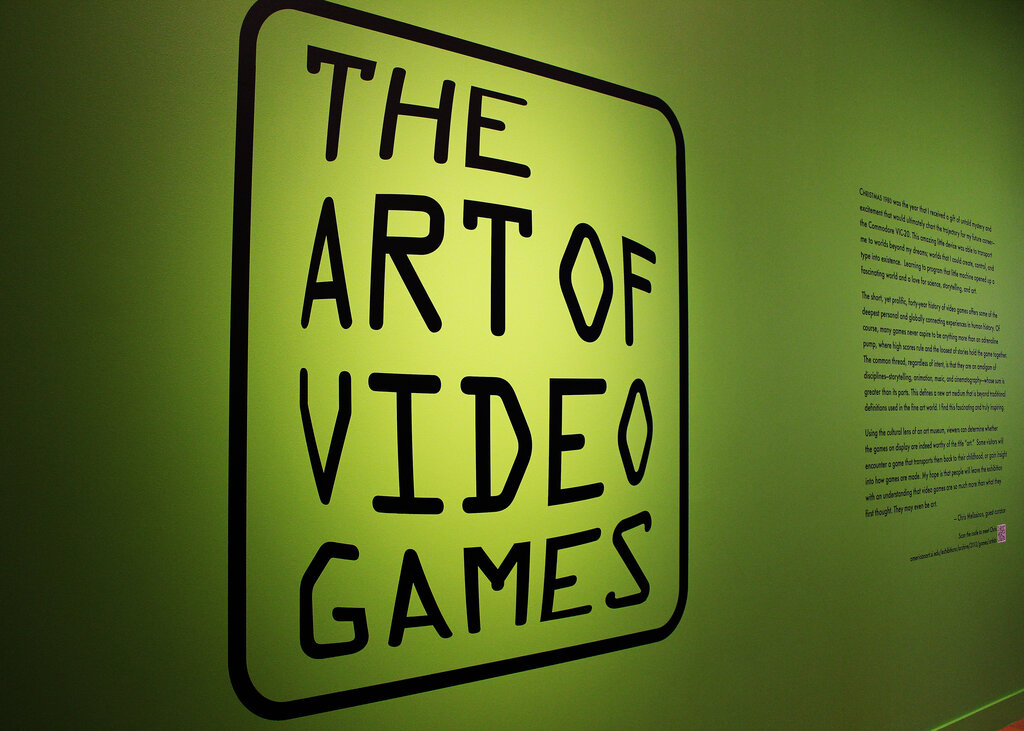
Finding Your Genre
Just like books or movies, games are sorted into categories called genres. A genre gives you a hint about what kind of experience to expect. Will you be solving puzzles, exploring a fantasy world, or building a city? Knowing the genres helps both players find games they'll love and developers define their creative vision.
| Genre | Description | Example |
|---|---|---|
| Role-Playing (RPG) | Players assume the role of a character in a fictional setting. | The Witcher 3 |
| Strategy | Focuses on skillful thinking and planning to achieve victory. | StarCraft II |
| Platformer | Involves jumping between suspended platforms and avoiding obstacles. | Super Mario Odyssey |
| Puzzle | Emphasizes puzzle solving. | Portal 2 |
| Simulation | Designed to simulate real-world activities. | The Sims 4 |
These are just a few examples, and many games mix elements from different genres. A role-playing game might have puzzle sections, and a strategy game can tell a deep story. Genres provide a useful starting point for understanding a game's core mechanics.
Assembling the Team
Making a game is a team sport. Even simple games often require a variety of skills to bring them to life. While one person can certainly make a game, most professional projects involve a team of specialists.
- Game Designers are the architects. They create the concept, define the rules, and craft the player's experience.
- Programmers are the builders. They write the code that makes the game run, from character movement to the user interface.
- Artists create the visuals. This includes character models, environments, and animations that give the game its look and feel.
- Sound Designers build the audio landscape. They compose the music, create sound effects, and record dialogue.
A typical game development team might include game designers, who devise the game's mechanics and story; programmers, who bring these ideas to life through code; artists and animators, who create the visual elements; sound engineers, who design audio effects and music; and testers, who ensure the game is both fun and functional.
Many other roles exist, like writers, producers, and quality assurance (QA) testers. Everyone works together toward a single goal: making a great game.
From Idea to Reality
The journey of creating a game is typically broken down into several distinct phases. This structure helps keep the project organized and on track from a simple idea to a finished product.
- Concept/Pre-production: This is the planning phase. The core idea is fleshed out into a game design document (GDD), which outlines the story, mechanics, and art style. Prototypes might be built to test key ideas.
- Production: This is the longest phase, where the game is actually built. Artists create assets, programmers write code, and designers build levels. All the pieces start coming together.
- Testing/Post-production: Before the game can be released, it needs to be thoroughly tested to find and fix bugs. This phase also includes polishing the game, adding final touches to the sound and visuals.
- Launch: The game is released to the public!
- Post-Launch: The work isn't over. Developers often release patches to fix bugs, add new content, and listen to player feedback to improve the game.
Ready to check your knowledge?
Which early arcade game, released in the 1970s, is described as a "cultural phenomenon" that brought video games into the public eye?
If a developer's job is to create the character models, environments, and animations, what is their most likely role?
This overview covers the basic building blocks of game development. From here, you can start to explore each of these areas in much greater detail.