Game Design Fundamentals
Introduction to Game Design
What Makes a Game?
At its heart, a game is a structured form of play. It has a clear goal, a set of rules to follow, a challenge to overcome, and requires interaction from the player. Think about any game you've played, from tic-tac-toe to a massive online role-playing game. They all share these basic ingredients.
All games have a goal, rules, a challenge, and interaction.
The goal gives you something to strive for, like crossing a finish line or checkmating a king. Rules create the structure, telling you what you can and can't do. The challenge makes it interesting; without some difficulty, it wouldn't be much of a game. And interaction is how you, the player, engage with the game's systems to try and achieve the goal.
Games come in countless forms. The medium can be a screen, a board, a deck of cards, or even an open field.
| Game Type | Example | Core Interaction |
|---|---|---|
| Board Game | Chess | Moving pieces on a grid |
| Video Game | Super Mario Bros. | Running and jumping through levels |
| Card Game | Poker | Betting and managing a hand of cards |
| Sport | Soccer | Kicking a ball into a net |
The Role of a Game Designer
So, who comes up with the rules, goals, and challenges? That's the job of a game designer. They are the architects of the player's experience. A designer doesn't just have one big idea; they shape hundreds of small ones that combine to create a cohesive, engaging game.
A game designer is a creative driver responsible for bringing a game to life.
A game designer's main responsibility is to advocate for the player. They define what the player does and feels. This involves:
- Envisioning the Game: Coming up with the core concept. What is this game about? What makes it fun?
- Defining the Rules: Creating the systems and mechanics that govern gameplay.
- Crafting the Experience: Deciding what emotions the game should evoke—excitement, strategy, curiosity, or something else.
- Collaborating: Working with artists, programmers, and writers to turn the vision into a reality.
They are the bridge between the technical team that builds the game and the player who will eventually experience it.
The Building Blocks of Games
To design a game, it helps to break it down into its core components. One popular model is the "elemental tetrad," which looks at four key aspects: Mechanics, Aesthetics, Story, and Technology. Let's look at three of these, and how they interact to create a fourth crucial element: Dynamics.
Mechanics are the rules of the game. They define what the player can do and how the game world responds. In a platformer, jumping is a mechanic. In a card game, drawing a card is a mechanic. They are the verbs of your game.
Aesthetics are the sensory experiences that the game evokes. This isn't just about graphics and sound, but about the feeling the game creates. Is it a tense game of strategy? A relaxing journey of discovery? Aesthetics create the mood.
Technology is the medium through which the game is delivered. This could be a game engine for a video game, cardboard and plastic for a board game, or a simple set of verbal rules for a playground game. The technology enables and constrains the mechanics and aesthetics.
When players interact with the mechanics, something interesting happens. This is called Dynamics. Dynamics are the emergent strategies and behaviors that arise from gameplay. A mechanic in chess is that a pawn can capture diagonally. A resulting dynamic is the formation of pawn structures to control territory. The designer creates mechanics, but the player creates dynamics.
The Design Process
Game design isn't a straight line from idea to finished product. It's a messy, circular process of refinement. Most design processes follow a simple, iterative loop.
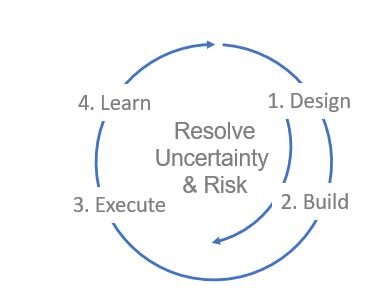
The core of this process involves four main steps:
-
Ideation: This is the brainstorming phase. You come up with a core idea or concept for a game. What's the genre? Who is the player? What is the core activity?
-
Prototyping: You build a simple, playable version of your idea. A prototype isn't meant to be pretty or complete. Its only job is to test if the core idea is fun. This can be done with code, or even just with paper and dice.
-
Testing: You get people to play your prototype. This step is crucial. You watch them play, listen to their feedback, and identify what's working and what's not. Is the game too hard? Too easy? Confusing? Boring?
-
Iteration: Based on feedback, you go back and change the design. You might tweak a mechanic, simplify a rule, or even throw out the whole idea and start over. Then you build a new prototype and test again.
This loop repeats over and over, with the game getting better and more polished with each cycle.
Let's review the key ideas before we move on.
Ready to check your understanding?
Which of the following are the four fundamental components that define a game?
What is the primary responsibility of a game designer?
Understanding these foundational concepts is the first step in learning how to create compelling and engaging experiences for players.