Galaxy Structure and Formation
Introduction to Galaxies
Islands of Stars
Look up at the night sky, and you'll see countless stars. But what you're really seeing is just our tiny corner of a much larger structure. Our Sun is one of hundreds of billions of stars in the Milky Way galaxy. And the Milky Way is just one of hundreds of billions of galaxies in the observable universe.
A galaxy is a massive, gravitationally bound system of stars, stellar remnants, interstellar gas, dust, and dark matter. Think of them as giant, cosmic cities of stars, each separated by vast, empty stretches of intergalactic space.
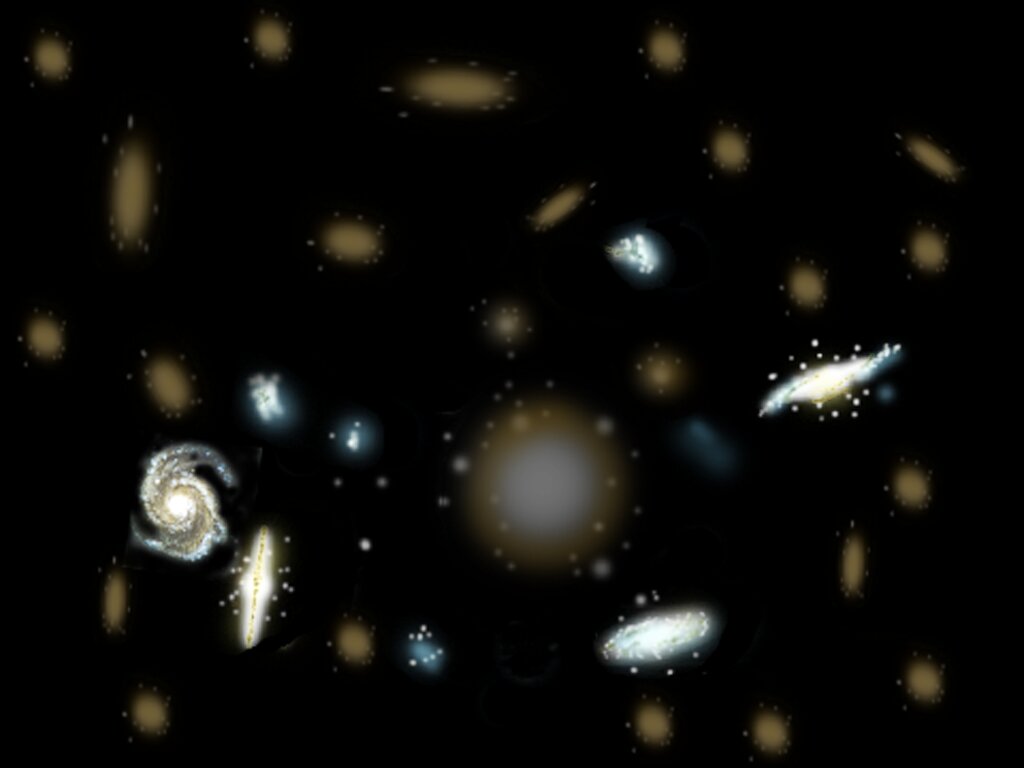
Galaxies are the fundamental building blocks of the universe. They come in a spectacular variety of shapes and sizes, from majestic spirals to fuzzy, featureless blobs. Astronomers classify them to better understand their history and how they work.
The Galactic Family
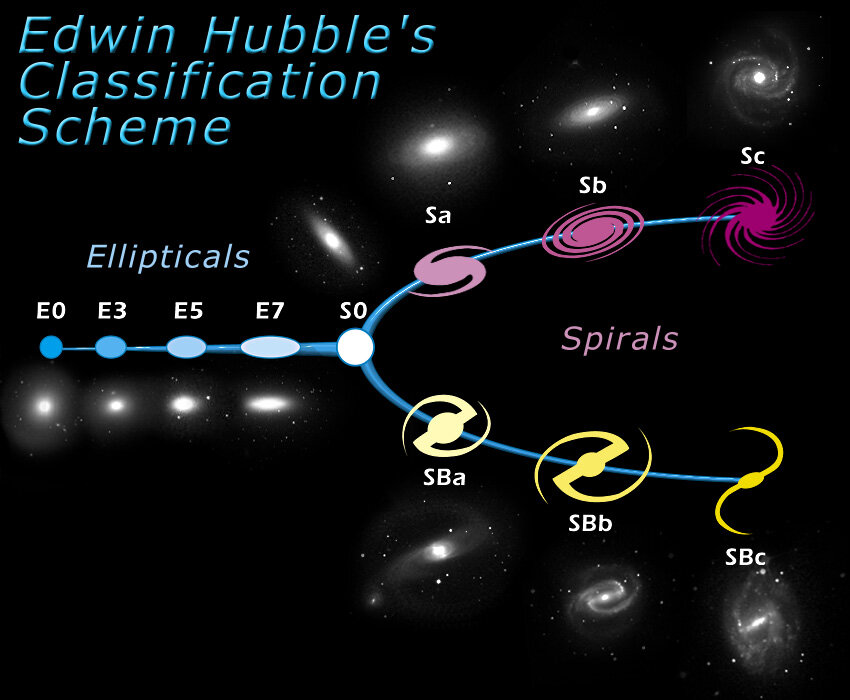
Just like animals, galaxies can be sorted into different species based on their appearance, or morphology. The three main types you'll encounter are spiral, elliptical, and irregular galaxies.
The most famous galaxy classification system is the Hubble Sequence, often called the “tuning fork” diagram, developed by Edwin Hubble in 1926.
Spirals and Ellipticals
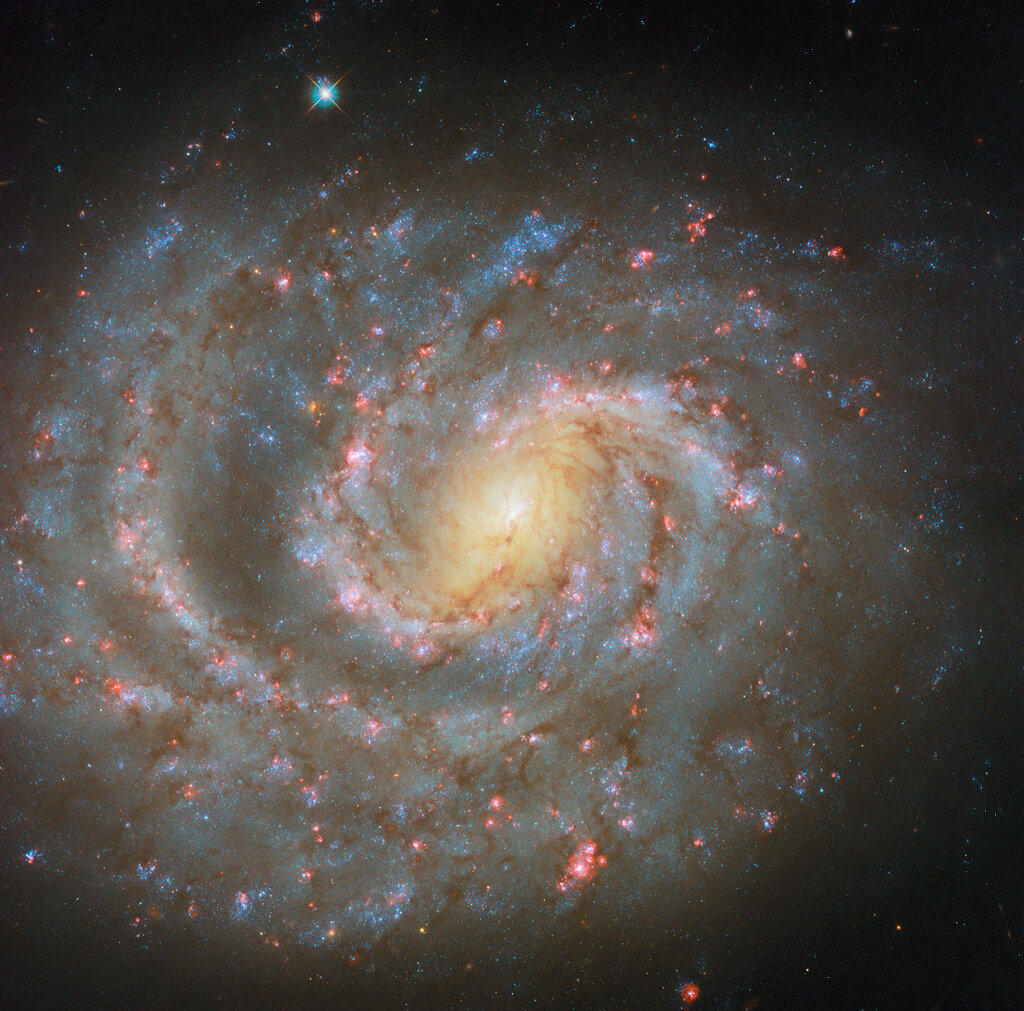
Spiral galaxies are perhaps the most iconic. They have a flattened, rotating disk with a central bulge of stars in the middle. Winding out from the center are bright arms that give the galaxy its spiral shape. These arms are hotbeds of new star formation, which is why they often glow with the light of young, blue stars. Our own Milky Way is a spiral galaxy.
A common variation is the barred spiral galaxy. These are similar to regular spirals, but they have a bright, bar-shaped structure of stars running through their center. The spiral arms begin at the ends of this bar instead of from the central bulge.
Elliptical galaxies are the other common type. They are smooth, featureless, and shaped like a sphere or a stretched-out oval. Unlike spirals, they don't have a disk or arms and generally contain very little gas and dust. This means new star formation has mostly stopped.
As a result, elliptical galaxies are dominated by older, redder stars. They range in size from small dwarf ellipticals to giant systems that are the largest known galaxies in the universe.
The Odd Ones Out
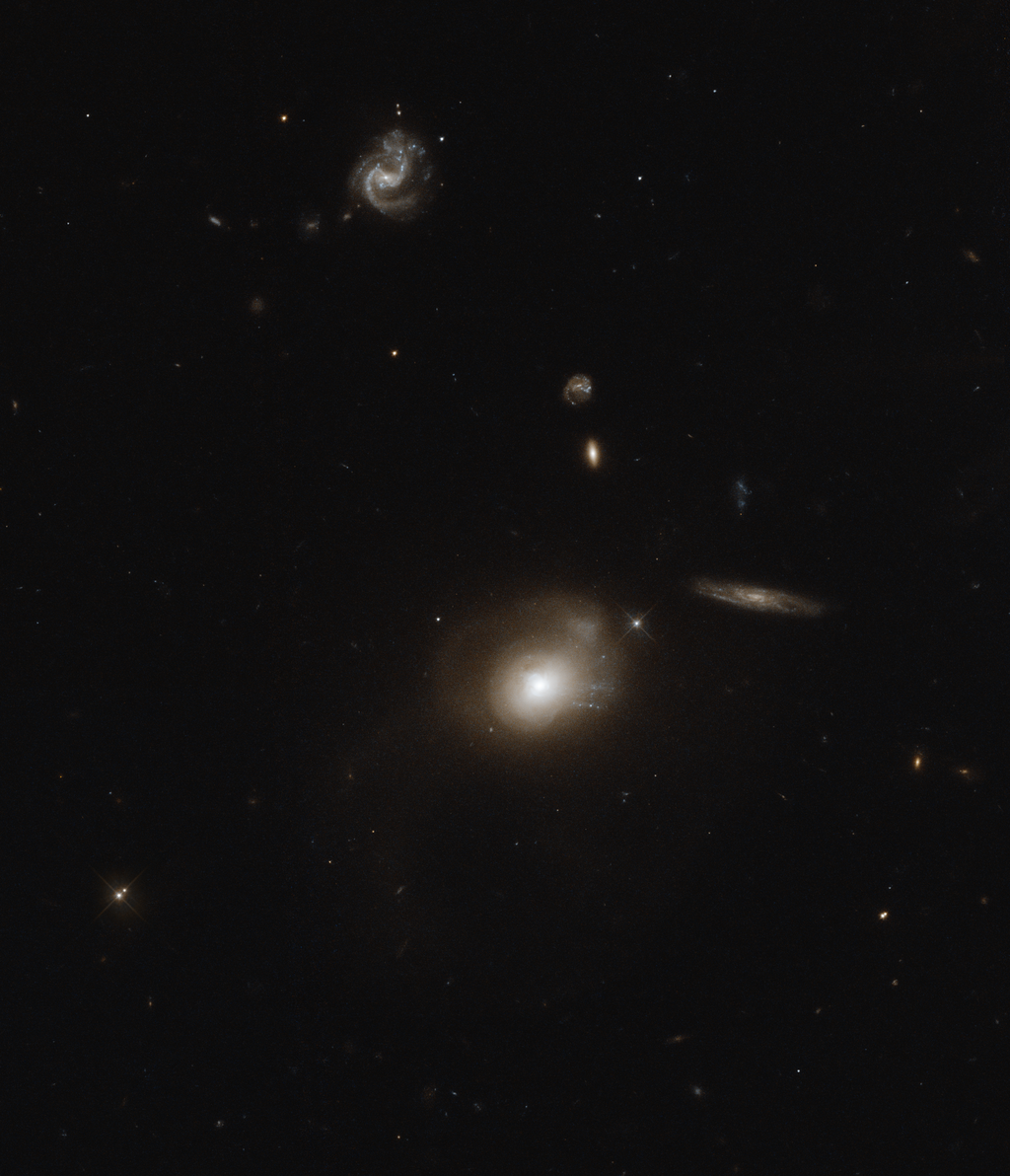
Not every galaxy fits neatly into the spiral or elliptical categories. Irregular galaxies are just that: irregular. They have no defined shape or structure. Their chaotic appearance is often the result of gravitational interactions or collisions with other galaxies that have disrupted their form.
These galaxies are typically rich in gas and dust, leading to high rates of star formation. They are often smaller than spirals and ellipticals but are full of young, bright stars.
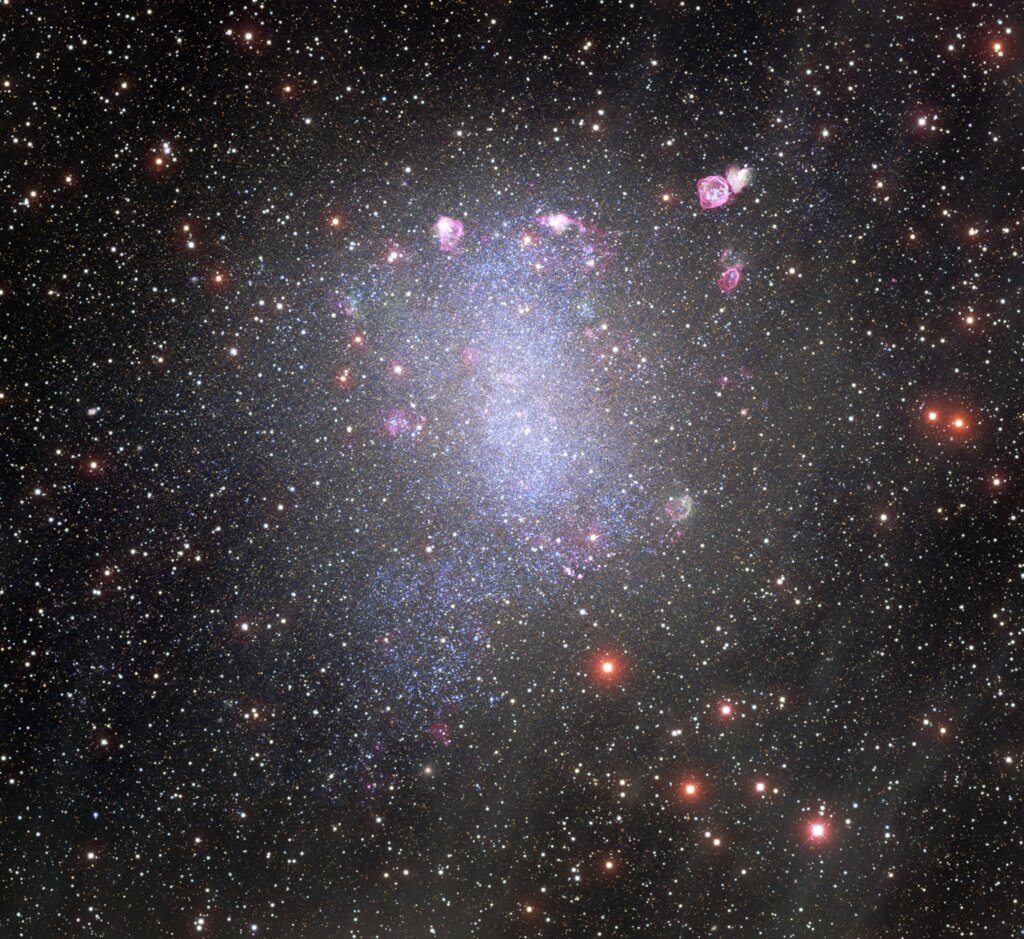
Understanding these basic types is the first step in exploring the vast and beautiful universe of galaxies. Each shape tells a different story about a galaxy's past and its place in the cosmic web.
What type of galaxy is our own Milky Way?
An astronomer observes a galaxy that is smooth and oval-shaped, dominated by older, red stars, and shows little sign of new star formation. How would this galaxy be classified?