Futures Trading Essentials
Introduction to Futures
What Is a Futures Contract?
Imagine you're a farmer who grows wheat. Your crop will be ready in three months, but you're worried the price of wheat will drop by then. On the other side of the country, a large bakery needs to buy wheat in three months, and they're worried the price will go up. What can you both do?
You could make an agreement today. You agree to sell your wheat to the bakery in three months for a price you both decide on now. This locks in your profit and their cost, removing the uncertainty for both of you. You've just created a basic version of a futures contract.
Futures Contract
noun
A standardized legal agreement to buy or sell a particular commodity or financial instrument at a predetermined price at a specified time in the future.
Futures contracts serve two primary purposes: managing risk and speculating. For the farmer and the bakery, the goal is to manage the risk of a fluctuating price. This is called hedging. For others, the goal is to profit from those price fluctuations without ever touching the actual wheat. This is called speculation.
The Futures Market
Of course, it's not practical for every farmer and baker to find each other and draw up a private contract. Instead, these agreements are traded on organized exchanges, like the Chicago Mercantile Exchange (CME) or the New York Mercantile Exchange (NYMEX).
Exchanges create a central, regulated marketplace where buyers and sellers can trade with confidence.
These exchanges solve several problems. First, they standardize the contracts. A wheat futures contract, for example, will specify the exact quantity (e.g., 5,000 bushels) and quality of the wheat. This ensures everyone is trading the exact same thing.
Second, an entity called a clearinghouse acts as a middleman for every transaction. It guarantees that both sides of the trade will honor their agreement. The seller doesn't have to worry about the buyer backing out, and vice versa. This greatly reduces risk in the market.
Who Trades Futures?
The futures market is a diverse ecosystem with three main types of participants, each with different goals.
| Participant | Primary Goal | Example |
|---|---|---|
| Hedgers | Reduce price risk | An airline buying fuel futures to lock in a price for jet fuel. |
| Speculators | Profit from price changes | A trader buying oil futures, believing the price will rise. |
| Arbitrageurs | Profit from price discrepancies | A firm buying a contract on one exchange and selling it on another for a tiny profit. |
Hedgers are businesses or individuals who use futures to protect themselves from unfavorable price movements in a commodity they actually use or produce. They aren't trying to make a profit from the contract itself; they're using it as an insurance policy against volatility.
Speculators, on the other hand, are essential to the market. They accept the risk that hedgers want to get rid of. By betting on future price movements, they provide liquidity, which means it’s easier for hedgers to find someone to take the other side of their trade.
A Quick History
Futures markets have their roots in agriculture. In the mid-19th century, farmers in the American Midwest faced a familiar problem. They would all bring their harvest to market at the same time, causing a glut that crashed prices. A few months later, supply would be low and prices would skyrocket. This volatility was bad for everyone.
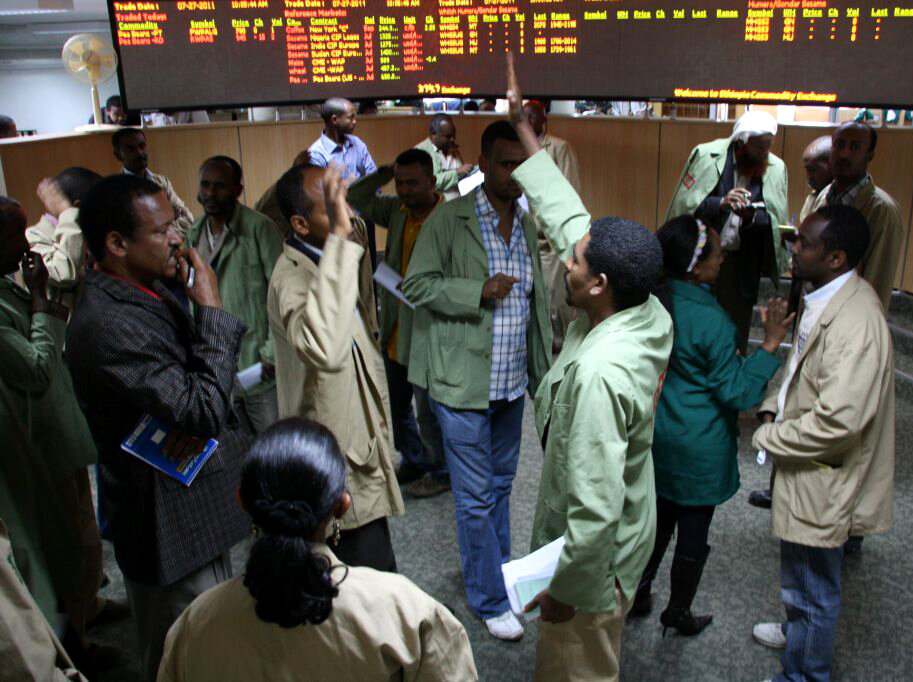
To solve this, exchanges like the Chicago Board of Trade were established. They created formal marketplaces where farmers and merchants could agree on a price for a future delivery. This allowed for smoother planning and more stable prices.
Over time, futures expanded far beyond corn and wheat. Today, you can trade futures contracts on everything from crude oil and gold to stock market indexes and foreign currencies. This evolution reflects their fundamental importance to the modern global financial system.
In essence, futures allow participants to lock in prices today for transactions that will occur tomorrow, which is especially useful in volatile markets like precious metals.
Ultimately, futures markets provide a crucial function called price discovery. The price of a futures contract reflects the market's collective guess about what a commodity will be worth in the future. This information is vital for businesses, governments, and investors making decisions today.
Now, let's test your understanding of these core concepts.