Future Value Calculations
Time Value of Money
A Dollar Today or a Dollar Tomorrow?
Let's start with a simple question. Would you rather have $100 right now or the same $100 one year from now? Almost everyone would choose to get the money today. But why? A hundred dollars is a hundred dollars, right?
The answer lies in a core principle of finance: the time value of money. The money you have today is worth more than the same amount in the future. This isn't just a feeling; it's a financial reality based on the money's potential to grow.
Time Value of Money
noun
The concept that a sum of money is worth more now than the same sum will be at a future date due to its potential earning capacity.
Money has earning power. If you have $100 today, you can invest it. For example, you could put it into a savings account that pays interest. After a year, you'd have more than your original $100. That extra amount is the compensation you get for letting someone else (like a bank) use your money for a period of time. By choosing to receive the money in the future, you miss out on this opportunity to earn.
Present vs. Future Value
The time value of money gives us two important ways to look at our funds: present value and future value.
Present Value (PV) is what a future amount of money is worth today. If you've been promised $110 in a year, its present value is less than $110. It’s the amount you would need to invest today to end up with $110 in a year.
Future Value (FV) is what an amount of money you have today will be worth at some point in the future. It's your current cash, plus the earnings it generates over time.
Think of them as two sides of the same coin. They are connected by time and the rate of return you can earn on your money.
Drivers of Growth
So what drives this growth? Two key factors: interest rates and compounding periods.
An interest rate is the percentage of a principal amount that is paid for its use over a certain period. For an investor, it's the rate of return. The higher the interest rate, the faster your money grows and the higher its future value will be.
A higher interest rate means your money can grow more quickly, making its present value even more significant.
The second factor is the compounding period, which is how often the interest is calculated and added to your principal. Compounding is essentially earning interest on your interest. The more frequently interest is compounded—annually, quarterly, monthly—the faster your investment grows.
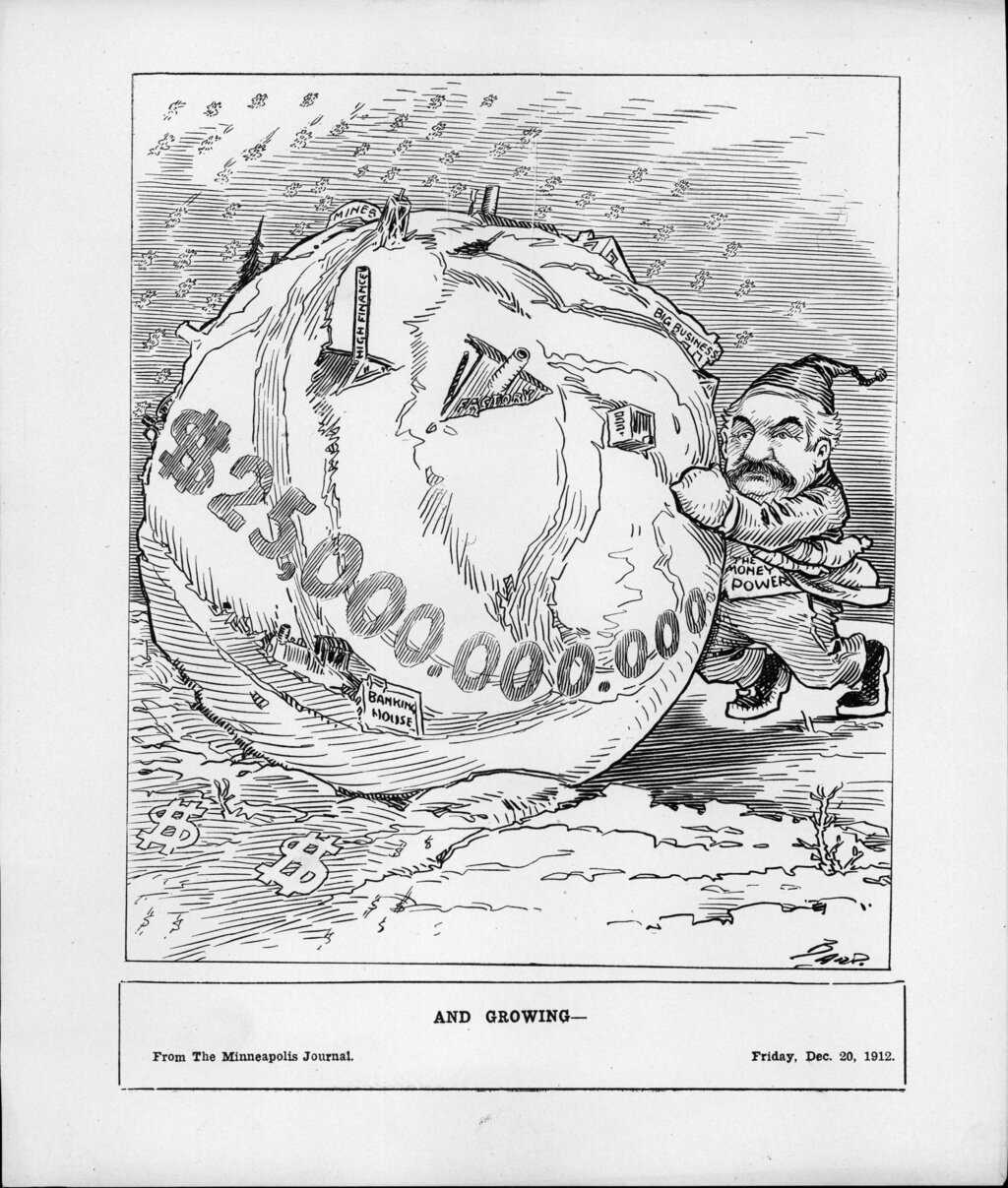
Imagine you earn interest at the end of the year. That interest is added to your original amount. The next year, you earn interest on the new, slightly larger total. Over time, this effect snowballs, dramatically increasing the future value of your money.
Understanding these concepts—present value, future value, interest rates, and compounding—is the first step toward making smarter financial decisions. It provides the foundation for comparing investments, planning for retirement, and understanding loans.
What is the primary reason that money available today is considered more valuable than the same amount in the future?
The value of a future sum of money in today's terms is known as its ______.