Future-Proofing Your Three-Year-Old
Understanding Developmental Milestones
The Busy Mind of a Three-Year-Old
At three, a child's brain is buzzing with new connections. They are moving from simple actions to more complex thoughts and problem-solving. You might notice them working intently on a puzzle, trying different pieces until one fits. This isn't just random; it's trial and error in action.
Their understanding of the world is also expanding. They can follow instructions with two or three steps, like "pick up your toys and put them in the box." Concepts of time, like 'yesterday' and 'soon,' are starting to make sense. They also begin to grasp numbers, often able to count a few objects and understand the concept of 'two' items.
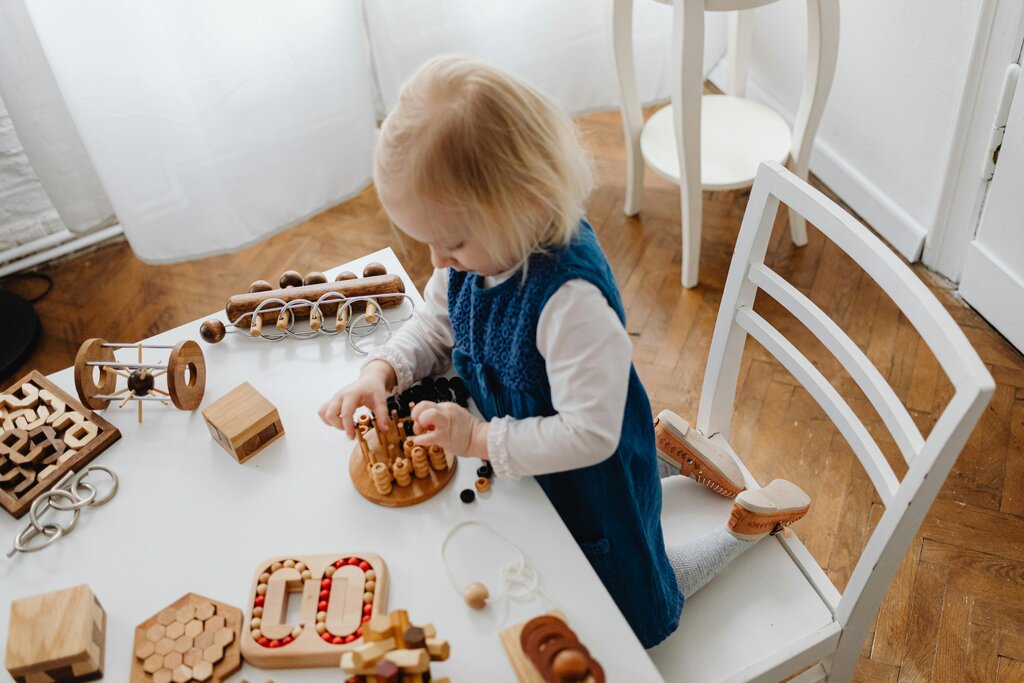
Imagination takes center stage. A cardboard box becomes a rocket ship, and a doll becomes a friend with a rich inner life. This type of pretend play is a cognitive workout. It helps them understand different perspectives and piece together stories. They might name colors, recognize some letters, and their memory is sharp enough to recall parts of a favorite book or song.
Learning to Play Together
The social world of a three-year-old is evolving from playing alongside others to playing with them. This shift is a major step. They begin to understand the give-and-take of friendship, learning to share toys and take turns in a game. This doesn't always go smoothly, of course, but the foundation for cooperation is being built.
They start to show interest in making friends and might have a preferred playmate. You'll see them imitating the actions of other children or adults, a key way they learn social rules. They are also starting to grasp that other people have feelings, which is the beginning of empathy.
For example, if a friend falls and cries, a three-year-old might try to offer comfort with a hug or by fetching a toy. This shows a growing awareness of others' emotions.
Big Feelings
Three-year-olds experience a rich and sometimes overwhelming range of emotions. They can express happiness, sadness, anger, and fear, though they don't always have the words to explain why they feel a certain way. Their emotional vocabulary is growing, and they might say "I'm sad" when a parent leaves.
This is also an age where they start to show a wider variety of feelings, like pride in their accomplishments or jealousy when a sibling gets attention. They are learning to manage these big emotions, but tantrums are still a normal part of their development. They also show affection openly and easily, offering spontaneous hugs and kisses to family and friends.
Encourage independence: Three-year-olds are developing a sense of autonomy and independence.
A budding sense of self means they are eager to do things on their own. They'll insist on dressing themselves, even if the shirt is backward, or pouring their own juice. This drive for independence is a crucial part of their emotional growth.
Constant Motion
Physically, three-year-olds are bundles of energy. Their coordination and balance improve dramatically, allowing them to move with more confidence and skill. They can run without tripping as often, climb playground equipment with surprising agility, and jump with both feet off the ground.
Their fine motor skills are also developing rapidly. They can hold a crayon or pencil with their fingers instead of a fist, allowing them to draw circles and squares. They can use child-safe scissors, build towers with more than six blocks, and are often able to use a fork and spoon to feed themselves. These skills lay the groundwork for everything from writing to tying their shoes later on.
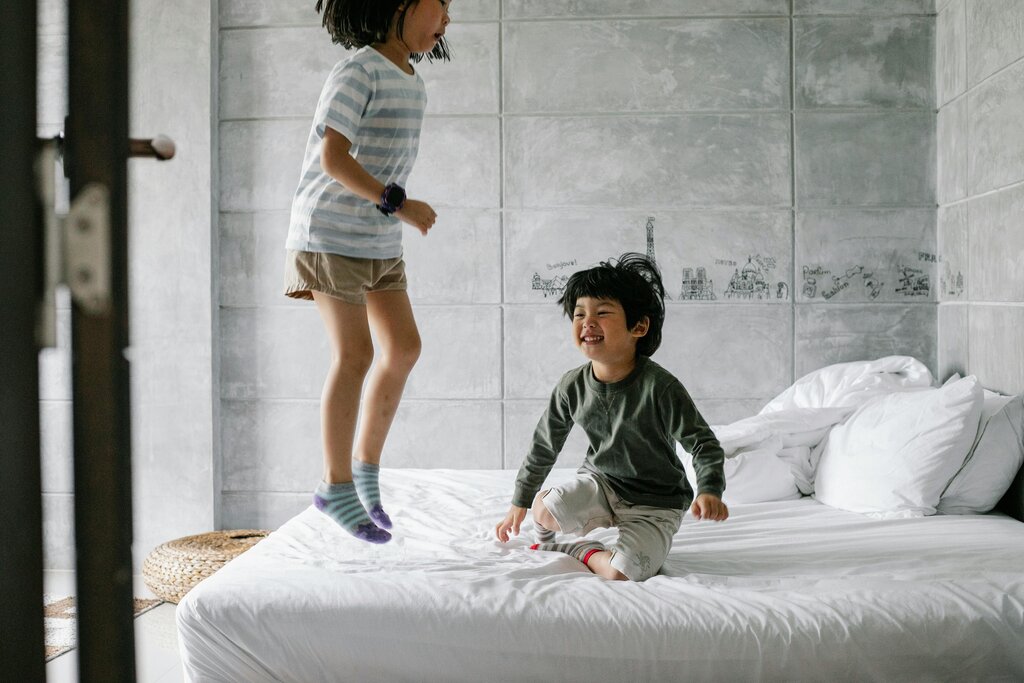
Keeping these milestones in mind helps paint a picture of the incredible growth happening at this age. Each child develops at their own pace, but these markers provide a useful guide to the amazing journey of a three-year-old.