Future-Proofing Your Business With Emerging Tech
Social Media Marketing Basics
What Is Social Media Marketing?
Social media marketing is the practice of using social platforms to connect with an audience, build a brand, and drive business goals. It's less about direct selling and more about building a community and having a conversation with people where they already spend their time.
Social media marketing involves leveraging popular social media platforms to connect with your target audience.
Think of it as modern-day word-of-mouth. Instead of relying on customers to tell their friends about you in person, you're creating content that they can share with their entire network with a single click. The goal is to become a familiar, trusted presence in their daily online lives.
Choosing Your Platforms
A common mistake is trying to be on every platform at once. The key isn't to be everywhere, but to be where your audience is. Each platform has its own culture, user base, and content style. Choosing the right one depends entirely on who you're trying to reach.

Understanding the landscape is the first step. Some platforms are visual, some are professional, and others thrive on fast-paced conversations.
| Platform | Best For | Audience Focus |
|---|---|---|
| Building communities, local businesses, detailed updates | Broad, diverse demographics (ages 25-55+) | |
| Visual storytelling, lifestyle brands, influencer marketing | Visually-driven users, strong in the 18-34 age range | |
| B2B networking, professional content, industry news | Professionals, job seekers, business decision-makers | |
| X (Twitter) | Real-time updates, news, customer service, short messages | News followers, tech-savvy users, public figures |
Start by focusing on one or two platforms where your target audience is most active. It's better to do a great job on one channel than a mediocre job on five.
Finding Your People
Before you can create great content, you need to know who you're creating it for. This is your target audience. Ask yourself some basic questions:
- Demographics: What is their age, location, and gender?
- Interests: What are their hobbies? What other brands do they follow?
- Pain Points: What problems do they have that your product or service can solve?
Answering these helps you create a "customer persona," a fictional character representing your ideal customer. This persona guides your content, ensuring you're always speaking to the right person in the right way.
For example, a company selling high-end hiking gear might target a 30-year-old named Alex who lives in Colorado, follows outdoor adventure accounts on Instagram, and is looking for durable equipment for their next mountain trek.
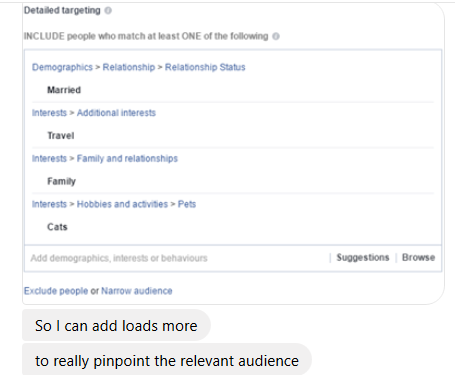
This level of detail transforms your marketing from shouting into a crowd to having a meaningful conversation with someone who is genuinely interested in what you have to say.
Content and Performance
Once you know who you're talking to and where to find them, it's time to create content. Your content should be a mix of entertaining, educational, and promotional posts. A good rule of thumb is the 80/20 rule: 80% of your content should provide value (tips, entertainment, information) and only 20% should directly promote your business.
Engagement is key to effective social media marketing.
But how do you know if your content is working? You track your metrics. These are the numbers that tell you what's resonating with your audience and what isn't.
| Metric | What It Measures | Why It Matters |
|---|---|---|
| Reach | The number of unique people who see your content. | Shows your brand's overall visibility and awareness. |
| Engagement | Likes, comments, shares, and saves. | Indicates how much your audience is interacting with your content. |
| Click-Through Rate (CTR) | The percentage of people who click a link in your post. | Measures how effective your post is at driving traffic to your website. |
| Follower Growth | The rate at which you gain new followers. | Tracks the growth of your online community. |
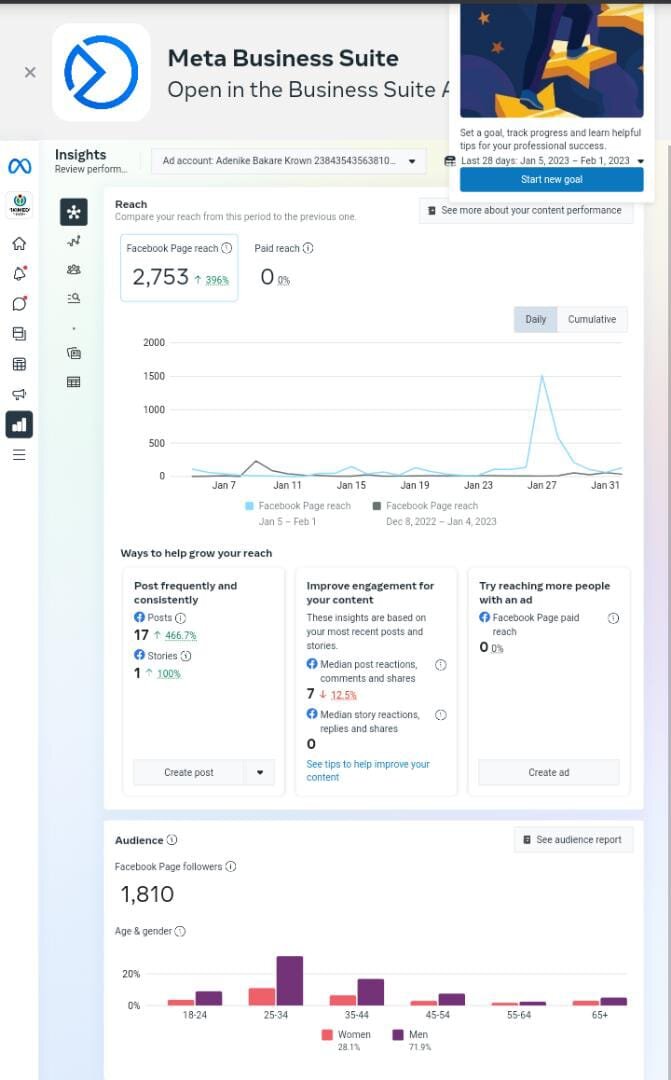
Don't be afraid to experiment. If a certain type of post gets a lot of engagement, make more of it. If another falls flat, try something different. Social media is always changing, and your strategy should be flexible enough to change with it.
What is the primary purpose of social media marketing according to modern best practices?
When starting a social media strategy, the most effective approach is to do a mediocre job on five platforms rather than a great job on one.
Understanding these fundamentals—choosing the right platforms, knowing your audience, creating valuable content, and measuring your results—is the foundation of any successful social media strategy.