Future-Proof Your Career AI Skills
Introduction to AI
What is Artificial Intelligence?
Artificial Intelligence, or AI, is about creating machines that can think, learn, and solve problems like a human. It's a broad field in computer science focused on building smart systems that can perform tasks that typically require human intelligence.
Think of it this way: We don't program an AI with every single rule for a task. Instead, we create systems that can learn the rules on their own by looking at examples.
This could mean anything from recognizing a cat in a photo to understanding spoken language or making a complex financial decision. The goal is to simulate or even replicate human intelligence in a machine.
A Quick History
The dream of intelligent machines has been around for centuries, but the actual field of AI research began in the 1950s. Early researchers were optimistic, believing that a machine with human-like intelligence was just a few decades away.
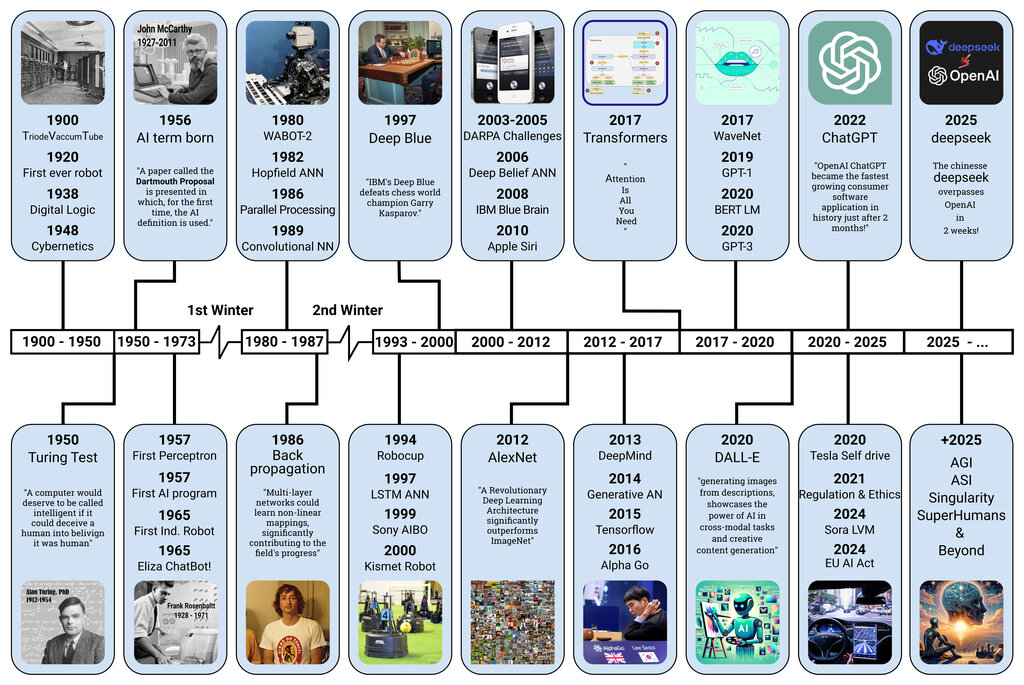
Progress wasn't a straight line. The journey included periods of great excitement and funding, followed by "AI winters" when progress stalled and interest faded. However, recent breakthroughs in computing power and the availability of massive amounts of data have led to the rapid advancements we see today.
The AI Family
AI isn't a single thing. It's an umbrella term that covers several specialized subfields. Think of AI as the entire universe of intelligent machines, with different galaxies within it.
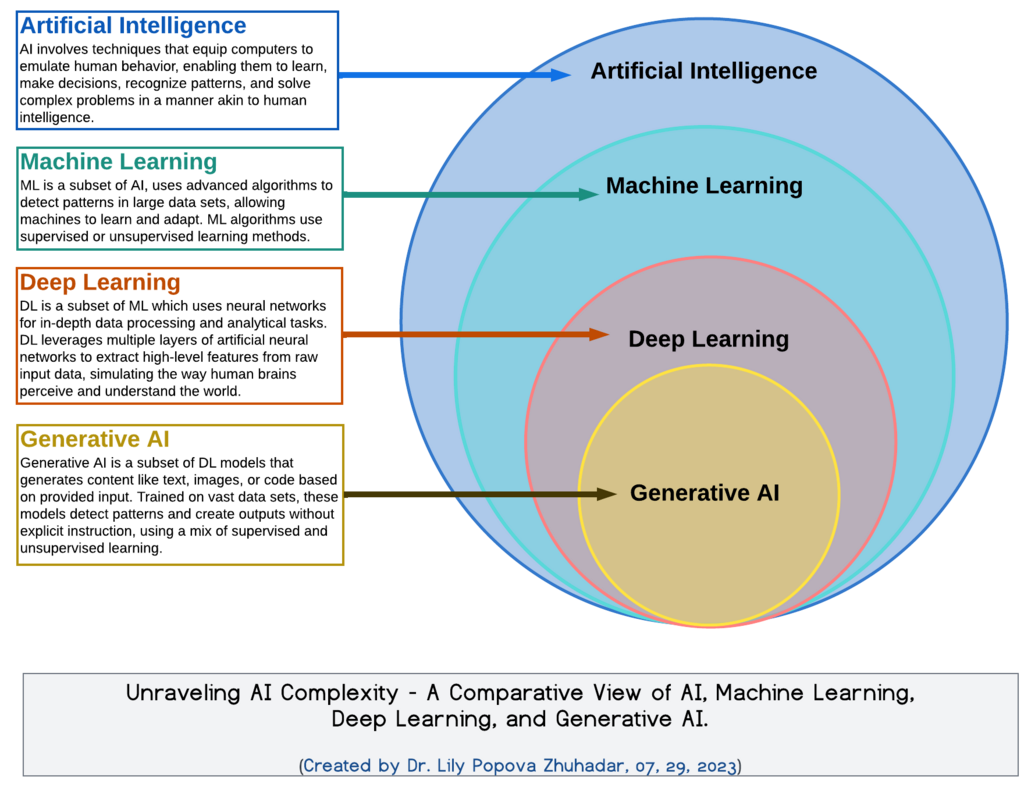
Here are some of the most important branches:
-
Machine Learning (ML): This is the most common type of AI today. Instead of being explicitly programmed, ML systems learn directly from data. They identify patterns and make decisions with minimal human intervention. A spam filter in your email that learns to spot junk mail is a classic example.
-
Deep Learning (DL): A powerful subset of machine learning, deep learning uses structures inspired by the human brain called neural networks. These networks have many layers, allowing them to learn complex patterns from huge datasets. Deep learning is the magic behind self-driving cars recognizing pedestrians and voice assistants understanding your commands.
-
Natural Language Processing (NLP): This field focuses on the interaction between computers and human language. NLP makes it possible for machines to read, understand, interpret, and generate human text and speech. Think of language translation apps or the chatbot you interact with for customer service.
-
Computer Vision: This is how we teach machines to "see." Computer vision enables systems to derive meaningful information from digital images, videos, and other visual inputs. It’s used in everything from facial recognition on your phone to medical imaging analysis in hospitals.
AI in the Real World
AI is no longer just a concept from science fiction; it's a practical tool that's reshaping industries. In healthcare, AI helps doctors diagnose diseases earlier and more accurately by analyzing medical scans. In finance, it detects fraudulent transactions in real-time, protecting consumers and banks.
Retail companies use AI to recommend products you might like, creating a personalized shopping experience. The entertainment you consume is often curated by AI algorithms, like the movie and song suggestions on your favorite streaming services.
A major trend right now is Generative AI. These are models that can create new content—from text and images to code and music—based on the data they were trained on. This technology is powering a new wave of creative and productivity tools.
As AI continues to evolve, its impact on the workforce and society will only grow. Understanding these fundamental concepts is the first step to navigating this new, AI-enabled world.
What is the primary goal of Artificial Intelligence?
The history of AI research has been a steady, continuous line of progress since it began in the 1950s.