Future-Proof Your Career 2026
Understanding the Evolving Job Market
The New Work Landscape
The job market of 2026 is a very different place than it was even a few years ago. The ground is constantly shifting, driven by powerful forces like artificial intelligence and a complete rethinking of where and how we work. These changes aren't just ripples; they're creating new waves of opportunity while washing away some familiar shores.
The rapid advancement of Generative AI (Gen AI) technologies, particularly tools like ChatGPT, is significantly impacting the labor market by reshaping job roles and skill requirements.
Understanding this new landscape is the first step to navigating it successfully. It's less about having a fixed map and more about learning to read the currents of change.
AI and Automation's Impact
Artificial intelligence is no longer science fiction; it's a daily reality in the workplace. This technology is automating many routine and predictable tasks. Jobs heavy on data entry, basic customer service, and repetitive analysis are increasingly handled by algorithms. This allows human workers to focus on tasks that require creativity, critical thinking, and emotional intelligence.
But AI isn't just taking away jobs, it's creating entirely new ones. We're seeing a surge in demand for roles that didn't exist a decade ago: AI trainers, ethics officers, prompt engineers, and machine learning specialists. These jobs focus on building, managing, and guiding the very systems that are reshaping our work.
This reshaping of the global employment landscape will see the creation of 170 million new roles and the subsequent displacement of 92 million existing positions—resulting in a net gain of 78 million jobs worldwide.
This creates a dual reality. While some roles are becoming obsolete, the overall pie of available jobs is actually growing. The key is that the types of jobs are changing dramatically.
The Rise of the Anywhere Office
The shift to remote and hybrid work is one of the most significant workplace transformations in a century. What started as a temporary measure has become a permanent feature for millions of workers. Companies now hire from a global talent pool, and employees gain flexibility to balance their work and personal lives.
This isn't just about working from home. It's about a fundamental change in how work is structured. The focus is shifting from hours logged in an office to the actual output and results. This model offers incredible freedom but also new challenges, like maintaining a strong company culture and avoiding employee burnout when the lines between home and office blur.
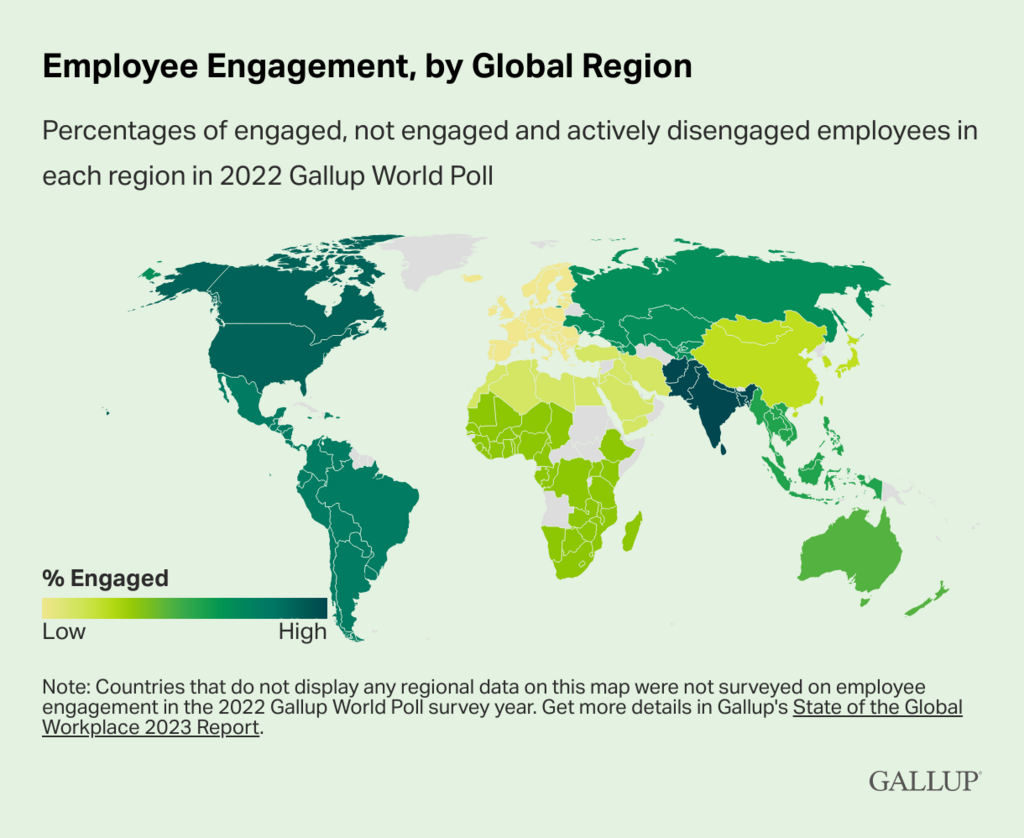
Companies that embrace this flexibility are finding it easier to attract top talent. The traditional 9-to-5, five-day office week is no longer the only option, and this variety is reshaping what people expect from an employer.
In a competitive market, offering remote or hybrid options is no longer a perk; it's often a necessity to attract the best candidates.
Shifting Industries and Economic Tides
Technology and new work models are happening alongside broader economic shifts. We are witnessing the rapid growth of entirely new industries while some traditional sectors consolidate or decline.
The green economy is booming, with massive investment in renewable energy, sustainable agriculture, and electric transportation. Similarly, the digital economy continues to expand, with growth in areas like fintech, cybersecurity, and personalized healthcare tech. E-commerce has also fundamentally changed the retail landscape.
| Growing Sectors | Declining Sectors |
|---|---|
| Renewable Energy | Traditional Fossil Fuels |
| Cybersecurity | Brick-and-Mortar Retail |
| Biotechnology | Print Media |
| AI Development | Some Manufacturing Roles |
Economic factors like inflation, interest rates, and global supply chain stability also play a crucial role. A tight economy might slow hiring in some areas but accelerate it in others, such as financial services or logistics. These interlocking forces create a dynamic and sometimes unpredictable job market where adaptability is more valuable than ever.
What is the primary dual impact of artificial intelligence (AI) on the job market?
The rise of remote and hybrid work has caused a fundamental shift in how employee performance is measured, moving the focus away from hours logged and towards what?
The only constant in today's job market is change. By understanding these key trends—from AI's growing influence to the new shape of the workplace—you can better prepare for the opportunities that lie ahead.