Future-Proof Project Management
Emerging Project Management Trends
The New Project Playbook
Project management is changing. The old rules about strict, top-down planning are giving way to more flexible, intelligent, and conscientious approaches. Staying ahead means understanding the new tools and mindsets that are defining success in 2026 and beyond. Three major trends are leading the charge: the rise of artificial intelligence, the flexibility of hybrid methods, and a growing focus on a project's wider impact.
AI Takes the Wheel
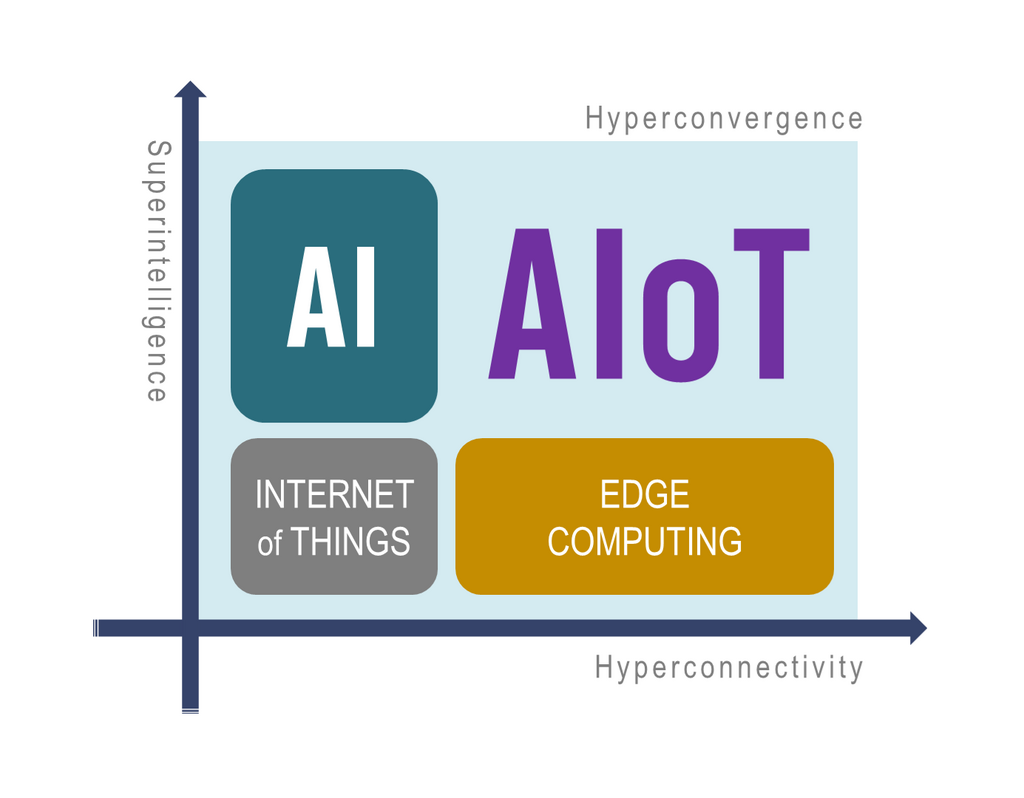
Artificial intelligence in project management is no longer a futuristic concept; it's a practical tool. AI is now handling many of the repetitive, data-heavy tasks that used to consume a project manager's day. This includes everything from optimizing schedules and allocating resources to generating routine status reports.
More powerfully, AI offers predictive insights. By analyzing data from past projects, it can forecast potential budget overruns, identify hidden risks, and suggest corrective actions before problems escalate. This allows managers to shift from being reactive problem-solvers to proactive strategists.
From automating status updates to predicting project risks before they even appear on your radar, these AI tools are quietly becoming the co-pilots every project manager dreams of.
This isn't about replacing human oversight. It's about augmenting it. With AI handling the number-crunching and administrative load, project managers can focus on the tasks that require a human touch: team leadership, stakeholder communication, and creative problem-solving.
The Best of Both Worlds
The debate between traditional (like Waterfall) and Agile methodologies is settling into a productive middle ground. Organizations are realizing that a one-size-fits-all approach doesn't work for every project. The result is the rise of hybrid project management.
Hybrid models blend the strengths of different frameworks. A team might use the upfront planning and detailed documentation of a traditional approach to establish a project's scope and budget. Then, they might switch to Agile sprints for the development and execution phases to encourage flexibility, rapid feedback, and continuous improvement.
This approach offers both a stable, predictable foundation and the agility to adapt to change, making it ideal for complex projects with evolving requirements.
The key is adaptability. A hybrid approach empowers project managers to select the most effective tools and processes for each stage of a project's lifecycle, rather than being locked into a single, rigid methodology.
Projects With a Purpose
Success is no longer measured solely by on-time, on-budget delivery. There is a growing demand for projects to demonstrate positive sustainability and social impact. This means project managers must now consider the environmental, social, and governance (ESG) implications of their work from the very beginning.
This trend involves integrating sustainability into the core of project planning. It can be as simple as sourcing materials from ethical suppliers or minimizing waste during construction. It can also be more ambitious, like designing projects that actively contribute to community well-being or environmental conservation.
This shift redefines a 'successful' project as one that creates lasting value not just for the client, but for society and the planet as well.
Stakeholders, from investors to customers, are increasingly looking for this commitment. Project managers who can effectively measure and report on their project's social and environmental impact will have a significant competitive advantage.
Ready to check your understanding of these emerging trends?
According to emerging trends, how is artificial intelligence primarily changing the role of a project manager?
What is the key advantage of using a hybrid project management approach?
These trends are not isolated; they often work together. An AI tool might help model a project's environmental impact, while a hybrid methodology allows a team to adapt to new sustainability goals mid-project. Mastering these new approaches is key to effective leadership in modern project management.