Future Frontiers of Retail Pharmacy
Introduction to Retail Pharmacy Evolution
More Than Just Pills
For a long time, the local pharmacy was a straightforward place. You went there with a doctor's note, and a pharmacist in a white coat counted pills, put them in a bottle, and typed a label. It was a place of transaction. You could also grab some bandages or cough syrup, but the core of the business was dispensing medication prescribed by a doctor.
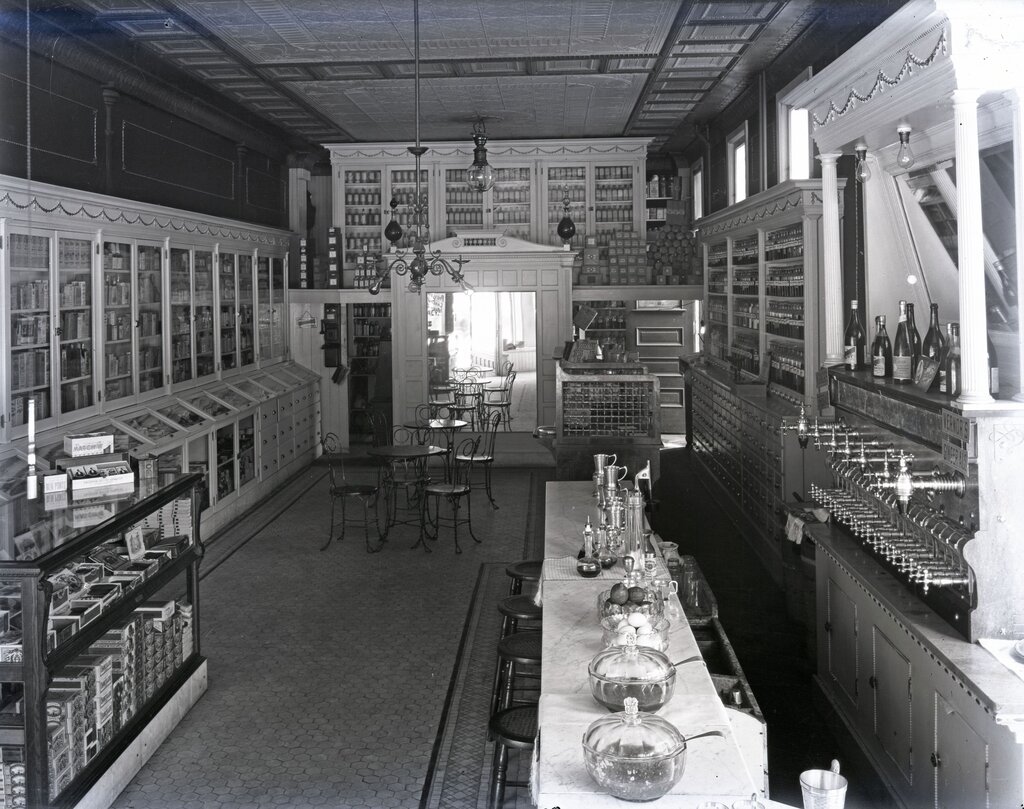
This model served communities for decades. The pharmacist was a trusted, knowledgeable figure, but their role was largely reactive. They filled the prescriptions that came in. But the world of healthcare has shifted dramatically, and pharmacies have been changing right along with it. The quiet, transactional pharmacy of the past is transforming into something much more dynamic.
The Push for Change
Several forces have pushed this evolution forward. First, our expectations as patients have changed. We live in an on-demand world, and we want the same convenience from our healthcare. We no longer just want a prescription; we want a partner in managing our health. We have questions, and we want quick, reliable answers.
At the same time, the broader healthcare system is under strain. Doctors are often booked solid, and emergency rooms are overwhelmed. This has created a gap that pharmacies are uniquely positioned to fill. They are accessible, with many open late and on weekends, and pharmacists are highly trained medical professionals.
Finally, there's a growing cultural shift towards wellness and preventative care. People are more proactive about their health than ever before. They're not just looking to treat sickness; they're looking for ways to stay healthy in the first place. This has opened the door for pharmacies to move beyond simply dispensing pills for existing conditions.
The New Wellness Hub
In response to these changes, pharmacies are rebranding themselves as community wellness centers. The focus is shifting from just selling products to providing a suite of health services. This is a fundamental change in the business model.
Walk into a modern pharmacy and you're likely to see much more than just shelves of medication. You might see a private room for consultations, a station for blood pressure checks, or signs advertising flu shots and other vaccinations. Some offer comprehensive medication management, where a pharmacist reviews all of a patient's prescriptions to avoid conflicts and improve effectiveness.
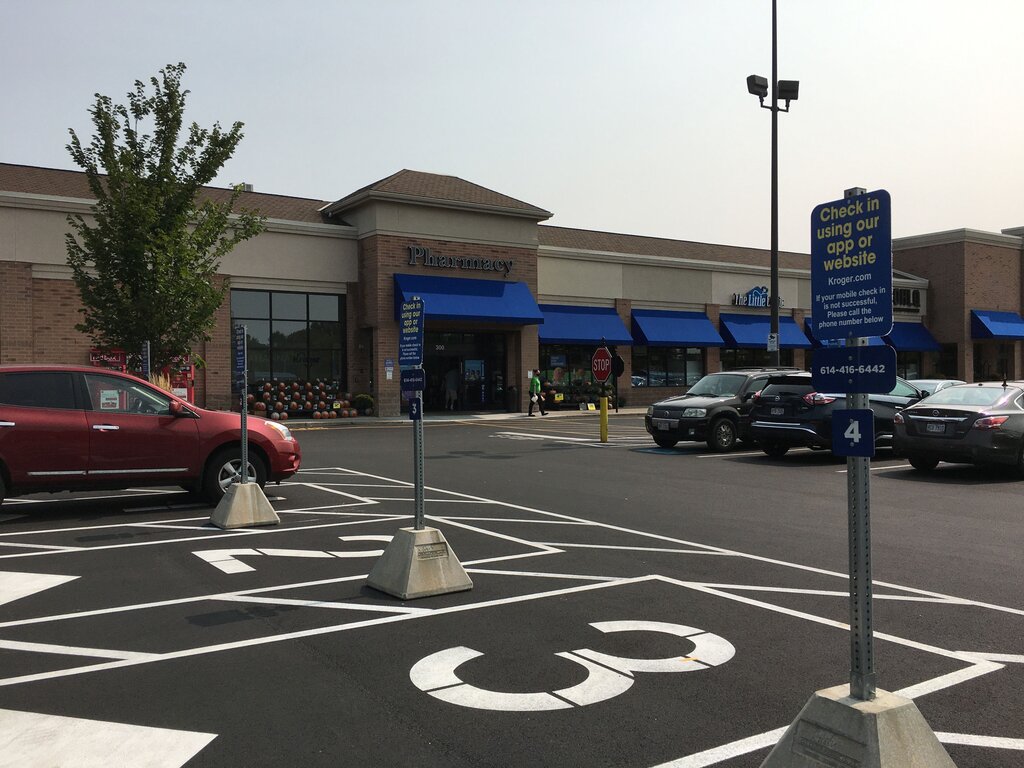
They are also becoming hubs for health education. Pharmacists are stepping out from behind the counter to offer advice on everything from managing diabetes to choosing the right vitamin supplement. They are leveraging their expertise and accessibility to become a first point of contact for everyday health concerns.
Expanding the range of healthcare services they offer is a viable pathway forward for pharmacies because it enables them to leverage the trust they’ve built with consumers.
Technology's Role
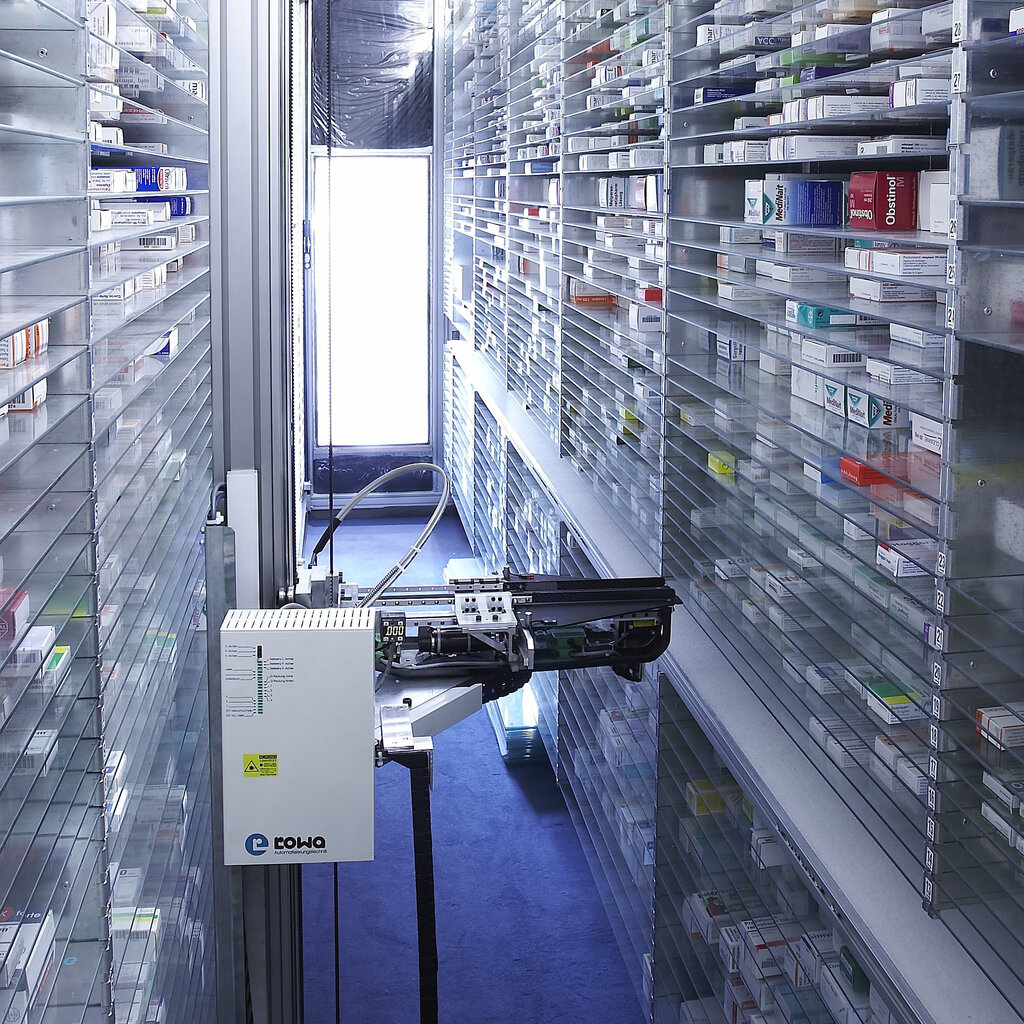
Technology has been a massive enabler of this transformation. Automation is a key part of the story. Robotic dispensing systems can now handle the repetitive, time-consuming task of counting pills, freeing up pharmacists to spend more time with patients. This allows them to focus on clinical services where their expertise is most valuable.
Digital tools have also revolutionized how pharmacies interact with customers. Mobile apps let you refill prescriptions with a single tap, set reminders to take your medication, and even chat with a pharmacist. Online portals provide access to prescription history and educational resources. This technology makes managing health easier and more integrated into daily life.
The goal isn't to replace the human element, but to enhance it. Technology handles the logistics, so pharmacists can focus on care.
These tools also help connect the dots in a fragmented healthcare system. By integrating with electronic health records, pharmacies can get a more complete picture of a patient's health, leading to safer and more effective care. This connectivity is vital as they take on a more central role in the healthcare ecosystem.
Ready to check your understanding of how retail pharmacies are changing?
What was the primary, traditional role of a local pharmacy?
According to the text, which factor is NOT a primary driver behind the evolution of pharmacies?
This evolution from a simple dispensary to a comprehensive health hub reflects a broader change in how we think about health. The local pharmacy is becoming a cornerstone of community wellness, blending clinical expertise with convenient, accessible care.