Future Climate Change
Climate Change Basics
Earth's Natural Blanket
Think of the Earth's atmosphere as a giant, invisible blanket. Sunlight travels through space, hits our planet, and warms it up. The Earth then sends some of this heat back out toward space. But instead of all the heat escaping, this atmospheric blanket traps some of it, keeping our planet warm enough for life to thrive. This is the greenhouse effect, and it's a completely natural and vital process. Without it, the Earth would be a frozen, uninhabitable rock.
The key to this warming process is a group of specific gases in the atmosphere. They act like the glass in a greenhouse, letting light in but preventing heat from easily getting out.
The Greenhouse Gases
The gases responsible for the greenhouse effect are called greenhouse gases. The most important ones are water vapor, carbon dioxide (), methane (), and nitrous oxide (). While they make up a tiny fraction of our atmosphere, they have a powerful effect on the planet's temperature. The problem isn't that these gases exist; it's that their concentration is increasing rapidly due to human activities.
Since the Industrial Revolution began around 1750, human activities like burning fossil fuels (coal, oil, and gas), deforestation, and large-scale agriculture have pumped massive amounts of extra greenhouse gases into the atmosphere. We've essentially been thickening the planet's natural blanket.
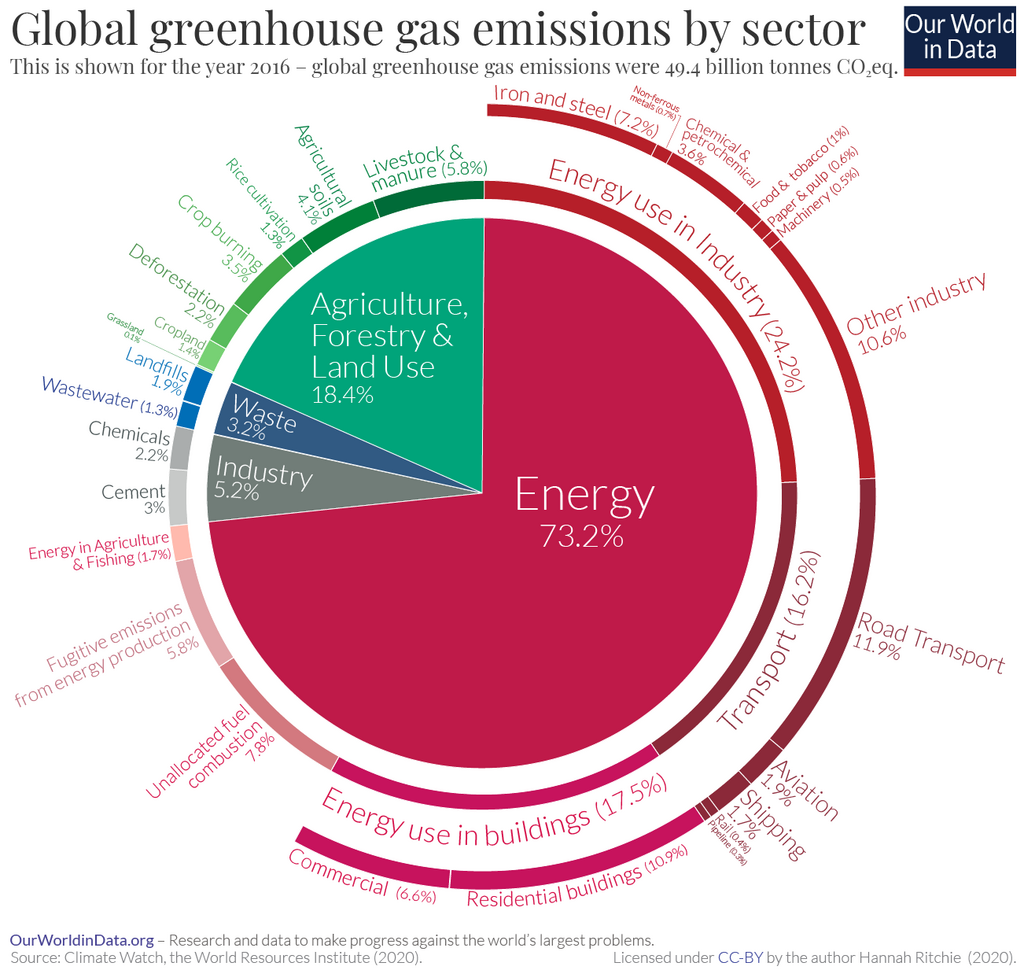
Carbon dioxide is the most significant contributor to long-term climate change because it stays in the atmosphere for a very long time, for hundreds or even thousands of years. This means the we release today will continue to warm the planet for many generations to come.
Evidence for a Warming Planet
How do we know the planet is actually getting warmer? Scientists have been meticulously collecting data for decades, and the evidence is clear and comes from multiple independent sources. The most direct evidence is the global temperature record. Thermometer readings from around the world, on land and at sea, show a clear warming trend. The last few decades have been the warmest since modern record-keeping began.
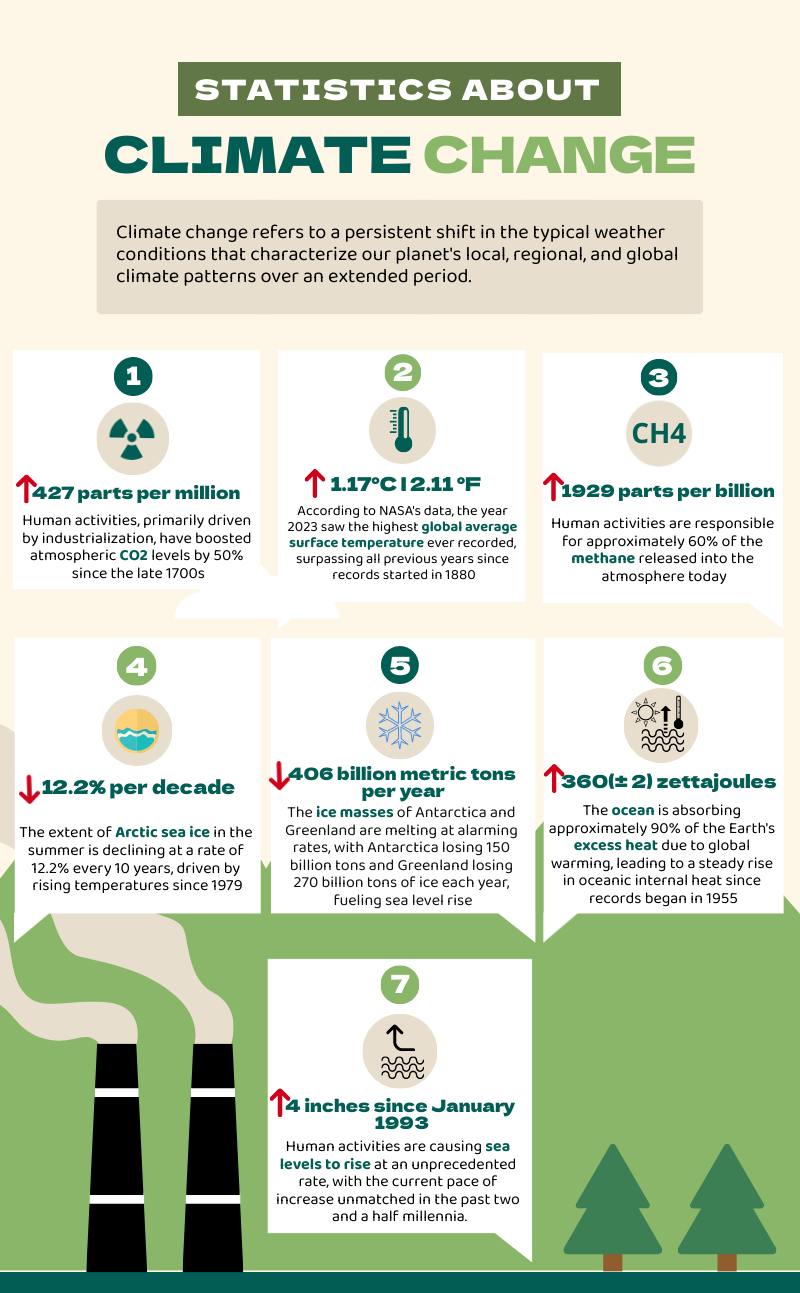
But it's not just about thermometers. We can see the effects of this warming all over the globe.
-
Melting Ice: The massive ice sheets in Greenland and Antarctica are shrinking. Glaciers in mountain ranges from the Himalayas to the Andes are retreating at an alarming rate. Arctic sea ice is also diminishing, both in its extent and thickness.
-
Rising Sea Levels: As the oceans warm, the water expands, a process called thermal expansion. This, combined with the meltwater from glaciers and ice sheets, is causing the global sea level to rise.
-
Ocean Acidification: The oceans absorb a large portion of the excess from the atmosphere. When dissolves in seawater, it forms carbonic acid, making the ocean more acidic. This change threatens marine life, especially organisms that build shells and skeletons like corals and shellfish.
These independent lines of evidence all point to the same conclusion: our planet's climate is changing, and the primary driver is the increase in greenhouse gases from human activity.
Let's review the core concepts.
What is the primary function of the natural greenhouse effect?
Which of the following gases is NOT considered a primary greenhouse gas responsible for warming the planet?
Understanding the greenhouse effect and the evidence for global warming is the first step in grasping the wider challenges of climate change.