Fusion Energy Explained
Introduction to Fusion Energy
The Power of the Stars
At its core, nuclear fusion is simple: it's the process of combining two light atomic nuclei to form a single, heavier one. When this happens, a tremendous amount of energy is released. It's the same process that has powered our sun and all the other stars for billions of years.
Fusion is the energy-generating mechanism that makes the stars shine.
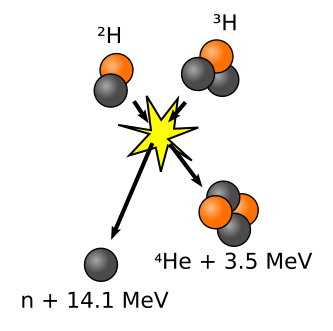
On Earth, scientists are focused on fusing two isotopes of hydrogen: deuterium (D) and tritium (T). When they combine under the right conditions, they form a helium (He) nucleus and a neutron (n), releasing a significant amount of energy in the process.
Creating a Star on Earth
Fusing atoms isn't easy. Atomic nuclei are positively charged, so they naturally repel each other. To overcome this repulsion and force them to fuse, you need extreme conditions—specifically, incredibly high temperatures and pressures.
We're talking about temperatures over 100 million degrees Celsius, which is many times hotter than the core of the sun. At these temperatures, matter doesn't exist as a solid, liquid, or gas. It becomes a fourth state of matter called plasma.
Plasma
noun
A state of matter where atoms are heated to such high temperatures that their electrons are stripped away, creating a superheated soup of charged ions and electrons.
Since no physical material can contain something this hot, scientists use powerful magnetic fields or high-powered lasers to confine the plasma and control the fusion reaction.
A Different Kind of Nuclear Power
You've likely heard of nuclear energy before, but that usually refers to nuclear fission. Fusion and fission are opposites. Fission splits a large, unstable nucleus (like uranium) into smaller ones to release energy. Fusion combines small, light nuclei (like hydrogen) to release energy.
Fission splits atoms apart. Fusion joins them together.
This fundamental difference leads to major advantages for fusion. The fuel for fusion, deuterium, can be extracted from seawater, making it nearly limitless. The process doesn't produce greenhouse gases, and it creates no long-lived radioactive waste, unlike fission reactors. Let's compare it with other major energy sources.
| Feature | Fusion | Fission | Fossil Fuels |
|---|---|---|---|
| Fuel | Hydrogen isotopes | Uranium, Plutonium | Coal, Oil, Gas |
| Fuel Availability | Abundant | Limited | Limited |
| Byproducts | Helium, neutrons | Long-lived radioactive waste | CO₂, pollutants |
| Safety Risk | No meltdown risk | Meltdown risk | Climate change |
| Energy Density | Extremely high | Very high | Low |
For these reasons, many see fusion as a potential holy grail for clean energy: a safe, sustainable, and powerful way to meet the world's energy needs for millennia to come. Now, let's review what you've learned.
What is the fundamental process of nuclear fusion?
On Earth, scientists are primarily focused on fusing which two isotopes of hydrogen?