Fungal Influences on Human Health
Fungal Biology
The Fungus Among Us
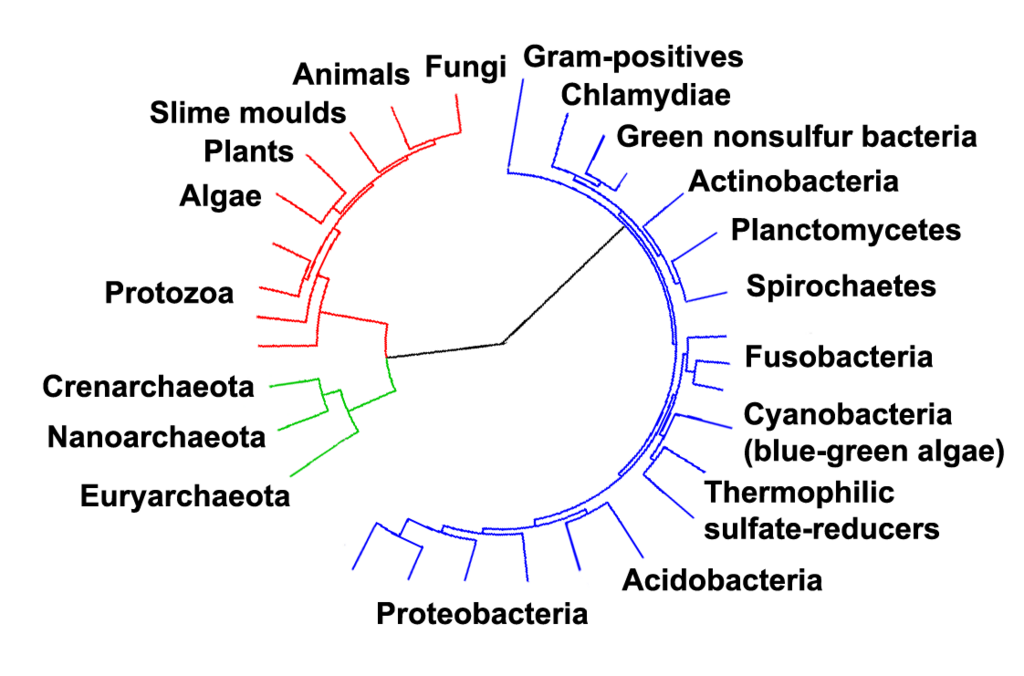
For a long time, fungi were mistaken for plants. They don't move, and they grow in the soil. But scientists eventually realized they're a world apart. In fact, fungi are more closely related to animals than to plants. They belong to their own kingdom, a vast and diverse group of organisms that includes everything from the mushrooms on your pizza to the yeast that makes bread rise.
When it comes to the phylogenetics of fungi, their place in the western model of hierarchical organization of life on earth, fungi are considered to be in the Domain of Eukaryotic organisms, which are multi-cellular life forms who’s cells contain a nucleus and other specialized organelles.
All fungi are eukaryotes, meaning their cells have a true nucleus and complex organelles, just like ours. They are incredibly diverse, with millions of species estimated to exist. We group them into major phyla based on their reproductive structures and genetic makeup. Some of the most well-known groups include Ascomycota (sac fungi, like yeasts and truffles) and Basidiomycota (club fungi, which includes most familiar mushrooms).
The Building Blocks
Most fungi share a common body plan, but it's not what you might expect. The main part of a fungus is a network of tiny, thread-like structures called hyphae. These threads branch and weave together to form a vast, interconnected web called a mycelium. The mycelium is the true body of the fungus, growing through its food source, whether that's soil, a decaying log, or a piece of bread.
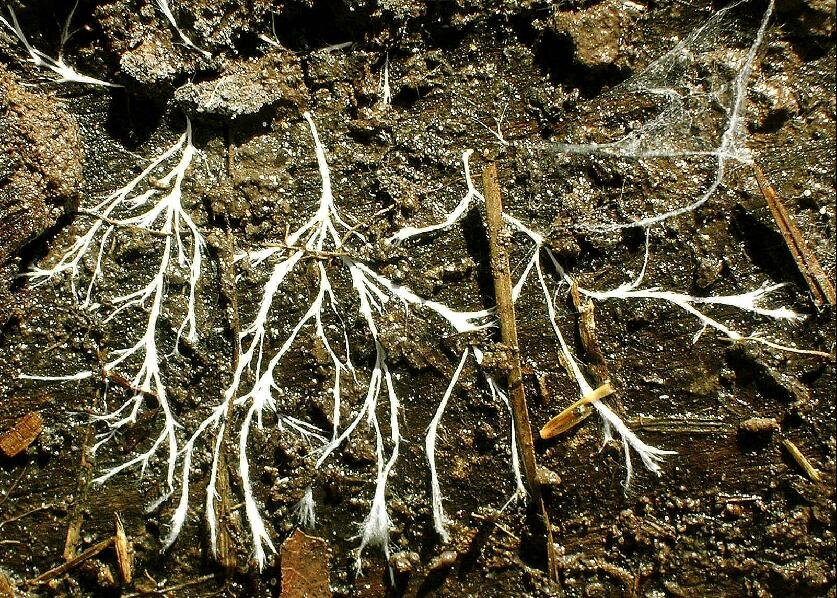
Hyphae
noun
The long, branching, filamentous structures that are the main mode of vegetative growth in most fungi.
This structure is perfect for a fungus's lifestyle. Fungi are heterotrophs, meaning they can't make their own food. Instead, they absorb nutrients from their environment. The vast surface area of the mycelium allows them to do this incredibly efficiently.
Fungal cells have a rigid cell wall, but unlike plants, which use cellulose, the fungal cell wall is primarily made of chitin. This is the same tough, flexible material that makes up the exoskeletons of insects and crustaceans.
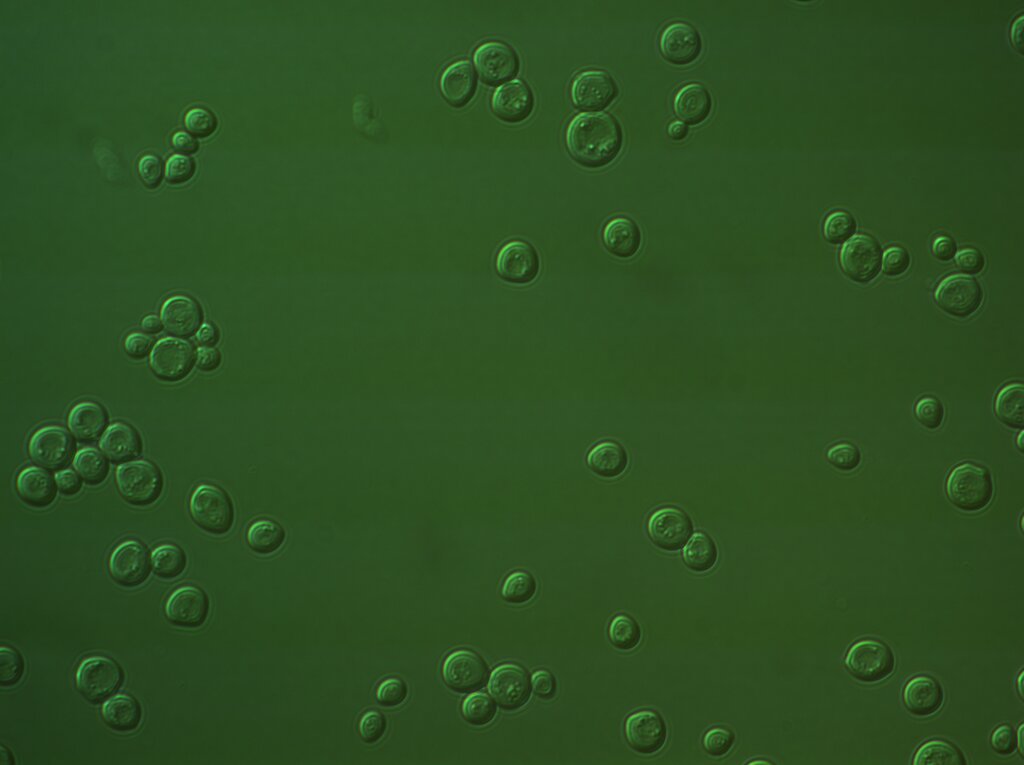
Not all fungi are made of hyphae. Yeasts are single-celled fungi that live as individual, microscopic organisms.
How Fungi Multiply
Fungi have complex and varied life cycles, often involving both asexual and sexual reproduction. This flexibility helps them thrive in diverse and changing environments.
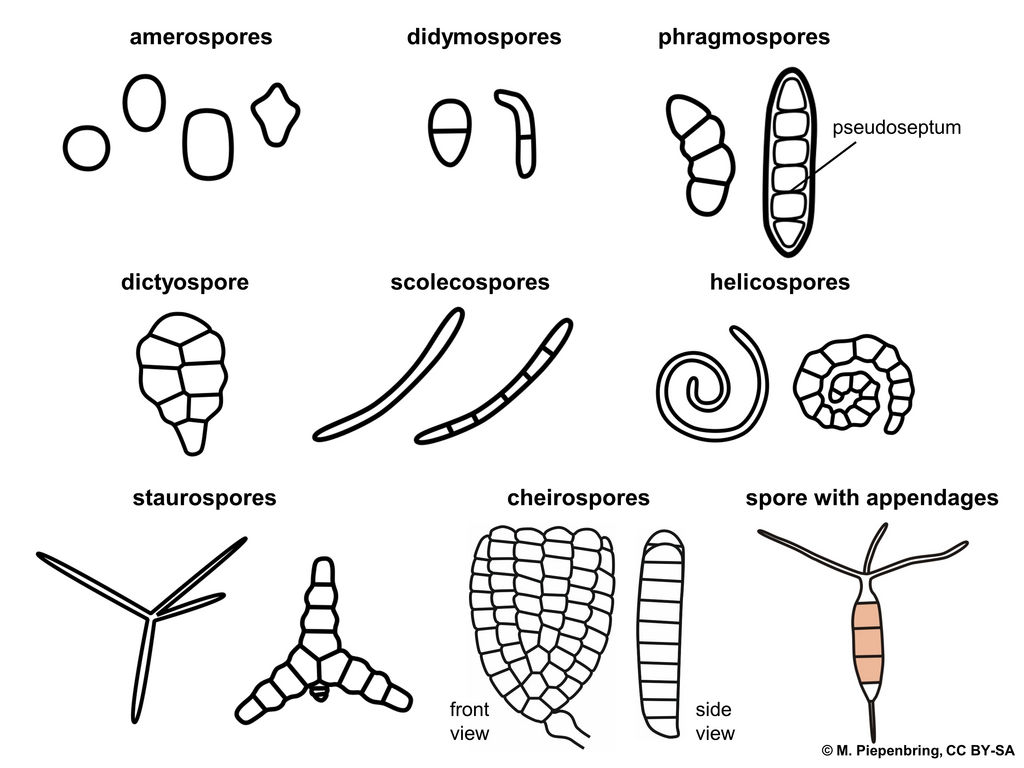
Asexual reproduction is fast and efficient. Yeasts can simply reproduce by budding, where a small new cell grows off the parent cell. Molds often produce spores, which are tiny, durable reproductive cells that can travel long distances on the wind or water. When a spore lands in a suitable spot, it germinates and grows into a new mycelium.
Sexual reproduction introduces genetic variation. It typically involves the fusion of hyphae from two different parent fungi. This process, called plasmogamy, merges the cytoplasm of the cells but not their nuclei. The result is a dikaryotic cell, with two separate haploid nuclei (often written as ).
This dikaryotic stage can last for a long time. Eventually, in specialized structures, the two nuclei fuse in a process called karyogamy to form a diploid zygote ($2n$). This zygote then undergoes meiosis to produce genetically unique haploid spores, which can start a new generation.
The familiar mushroom is a classic example of a fruiting body, a structure built by the mycelium specifically for sexual reproduction and spore dispersal.
Nature's Recyclers
Fungi play a critical role in almost every ecosystem on Earth. Their primary job is decomposition. As saprotrophs, they break down dead organic matter, like fallen leaves, dead animals, and tree trunks. They release digestive enzymes into their surroundings and then absorb the resulting simple nutrients. This process recycles essential elements like carbon and nitrogen, making them available for plants and other organisms to use again.
Without fungi, forests would be buried under mountains of dead wood and leaves.
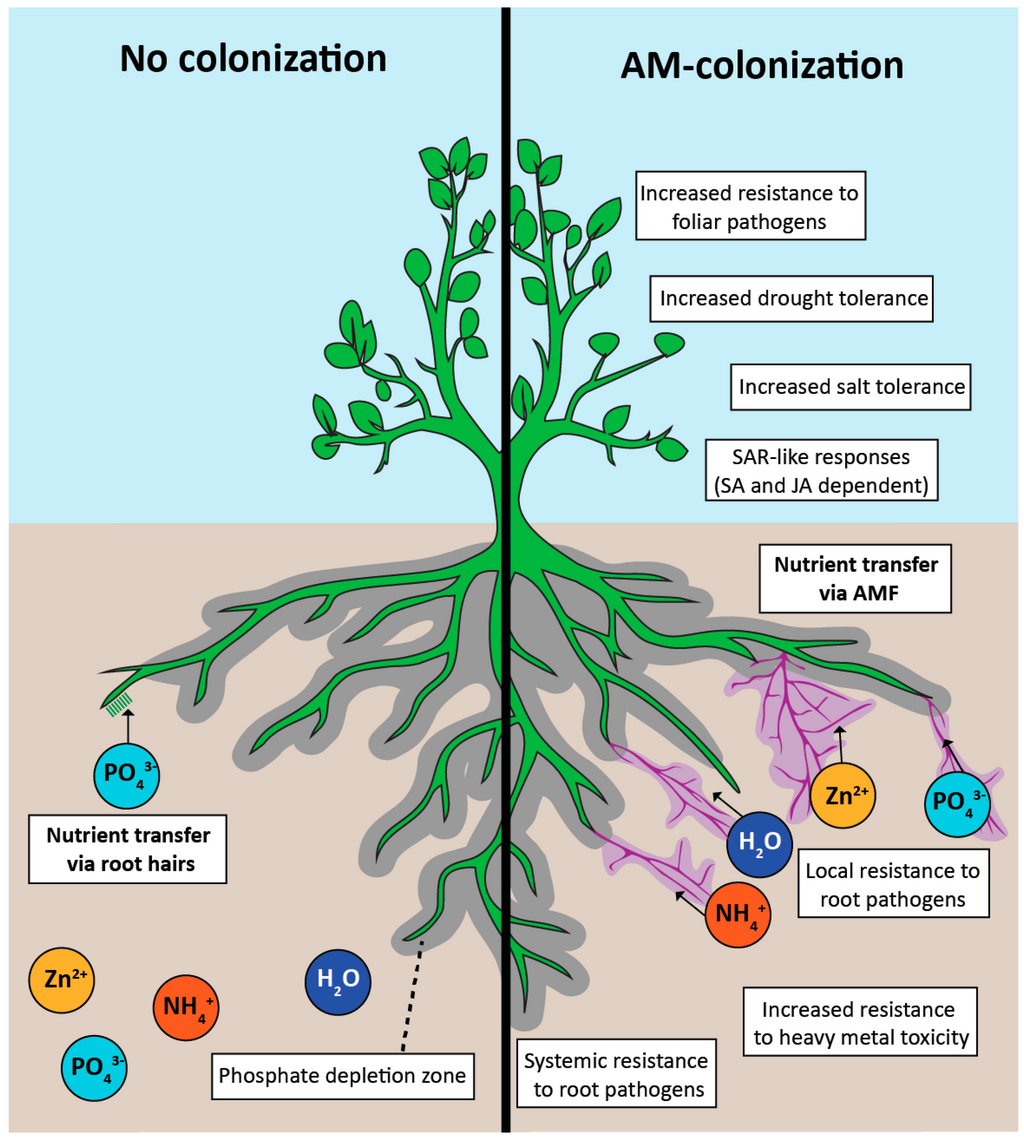
Many fungi also form vital partnerships with other organisms. Mycorrhizal fungi form symbiotic relationships with the roots of most plants. The fungus extends the plant's root system, helping it absorb water and nutrients, and in return, the plant provides the fungus with sugars from photosynthesis. Other fungi live in symbiotic relationships with algae or cyanobacteria, forming lichens, which can survive in some of the harshest environments on the planet.
By understanding these fundamental aspects of fungal biology, from their unique cellular structure to their diverse life cycles and ecological importance, we can better appreciate the complex roles they play in the world around us.
What is the primary structural component of a fungal cell wall, distinguishing it from a plant cell wall?
The vast, underground network of thread-like structures that makes up the main body of a fungus is called the: