Fundraising for EdTech Venture Funds
Understanding Venture Capital
What is Venture Capital?
Venture capital, or VC, is a type of private financing that investors provide to startups and small businesses that are believed to have long-term growth potential. Think of it as fuel for companies that are too new or too risky for traditional bank loans. Banks typically want to see a long history of profits before lending money, but a startup often has little more than a great idea and a dedicated team.
Venture capital refers to financing given by well-off investors or investment banks to startups and small businesses that the investors believe have big growth potential.
This is where VCs come in. They invest money in these young companies in exchange for an equity stake, meaning they become part-owners. It’s a high-risk, high-reward game. Most startups fail, but the few that succeed can provide enormous returns, making up for all the other losses. VCs don't just provide cash; they also offer mentorship, strategic guidance, and access to their network of contacts to help the company grow.

How a VC Fund Works
Venture capital isn't just one person's money. It's managed through a fund, which is a large pool of capital collected from various investors. This structure allows VCs to spread their risk across many different startups.
Limited Partner
noun
An investor in a venture capital fund, such as a pension fund, university endowment, or wealthy individual. They provide capital but are not involved in the day-to-day management of the fund.
Limited Partners (LPs) are the source of the money. They commit capital to the fund hoping for a significant return on their investment. The people who actually manage the fund and make the investment decisions are called General Partners (GPs). The GPs are the venture capitalists themselves.
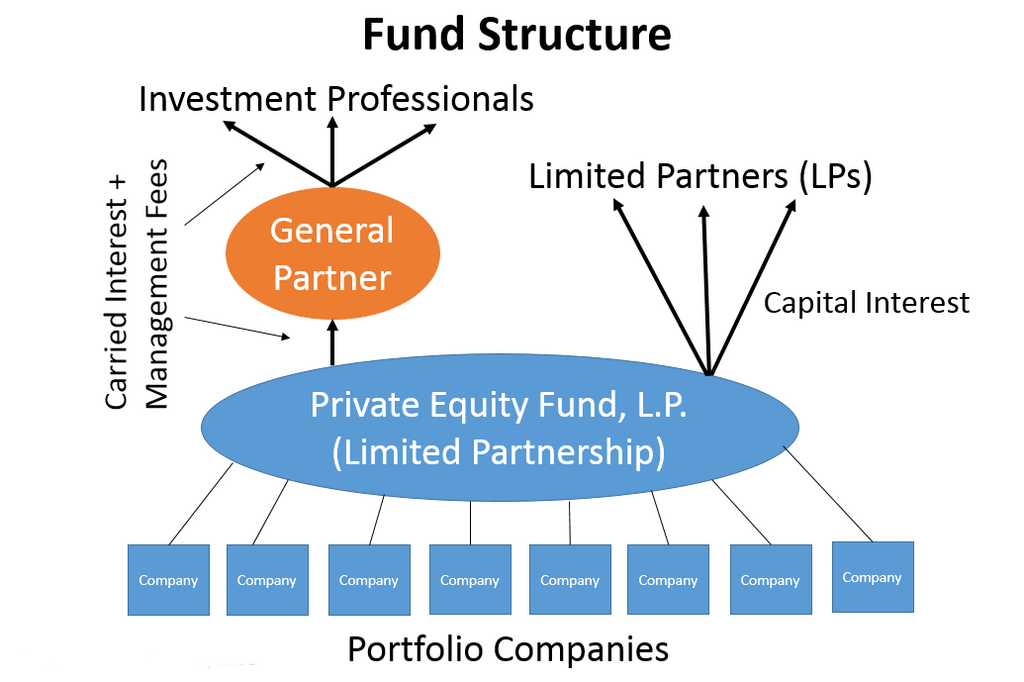
A VC fund has a finite lifespan, usually around 10 years, which follows a predictable cycle:
- Fundraising: The GPs raise money from LPs to create the fund.
- Investing: For the first few years, the GPs find promising startups and invest the fund's capital in them, building a portfolio of companies.
- Managing: The GPs actively work with their portfolio companies, helping them grow and overcome challenges.
- Exiting: The goal is to achieve an "exit," which is when the VC firm sells its stake in a company. This usually happens when the startup is acquired by a larger company or goes public through an Initial Public Offering (IPO).
- Returning Capital: Profits from successful exits are distributed back to the LPs. The GPs earn money through management fees (a small percentage of the fund's total value each year) and carried interest (a percentage of the profits, typically 20%).
Traditional vs. Mission-Oriented VC
Traditionally, the sole purpose of a venture capital fund was to maximize financial returns for its investors. A GP's success was measured by how much money they made. While this is still the primary model, a new approach has gained traction: mission-oriented venture capital.
Mission-oriented VC, also known as impact investing, aims to generate both positive financial returns and measurable social or environmental benefits.
These funds operate similarly to traditional VCs, but they add another layer to their investment criteria. A mission-oriented VC might invest in companies that are developing clean energy technology, improving access to education, or creating sustainable food systems. They believe it's possible to do well financially while also doing good for the world.
While a traditional VC might ask, "How big can this company get?" a mission-oriented VC asks, "How big can this company get, and what positive impact can it have on society?" This dual focus is changing how some investors think about the purpose of capital.

Whether traditional or mission-driven, venture capital plays a critical role in the innovation economy. It powers the creation of new technologies, disrupts established industries, and backs the entrepreneurs who are building the future.