Fundraising Essentials
Fundraising Fundamentals
Why Fundraising Matters
Fundraising is the process of gathering voluntary contributions, whether as money or other resources, to support a specific cause or organization. For non-profits, it's the engine that powers their mission, from feeding the hungry to protecting the environment. For businesses, especially startups, it's the capital needed to launch, grow, and innovate.
But fundraising is more than just asking for money. It's about building a community around a shared goal. Each dollar raised represents a person who believes in the work being done. This support system is often just as valuable as the funds themselves.
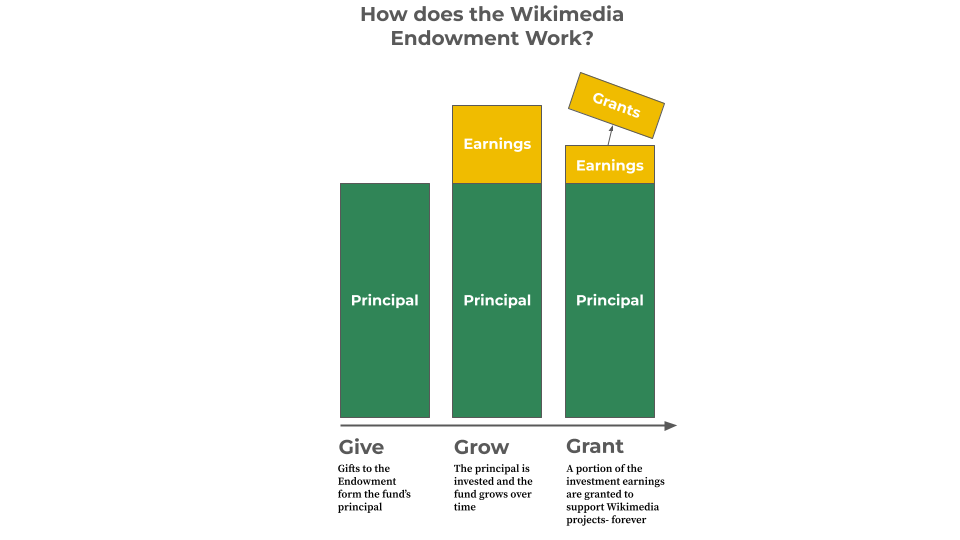
Four Paths to Funding
Organizations rarely rely on a single source of income. Instead, they draw from several streams. Understanding the most common types is the first step in building a solid financial foundation.
- Individual Donations This is the most common form of fundraising. It includes everything from a few dollars dropped in a donation jar to a major gift from a philanthropist. Donations can be one-time contributions or recurring payments, which provide a predictable stream of income. The key is connecting with individuals who care about your cause and making it easy for them to give.
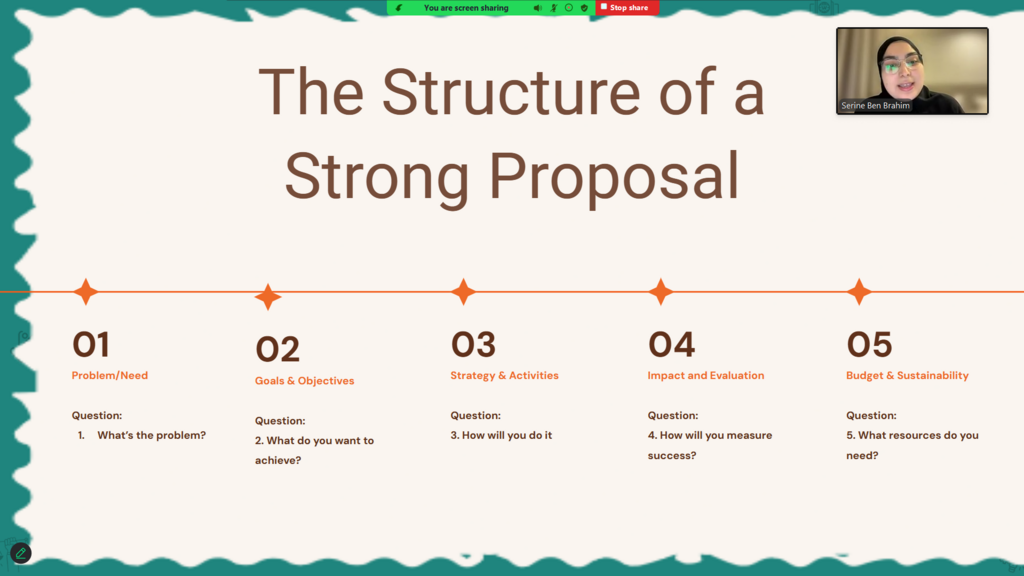
- Grants Grants are sums of money given by an entity—often a foundation, corporation, or government agency—to fund a specific project or purpose. Unlike a donation, a grant usually requires a detailed application, called a proposal, that outlines the problem you're solving, your plan of action, and your budget. Securing a grant is a competitive process, but it can provide significant funding for important work.
- Corporate Sponsorships In a corporate sponsorship, a business provides financial support to an organization or event in exchange for public recognition. You might see a local company's logo on the back of a little league team's jerseys or on a banner at a charity gala. It's a partnership: the organization gets needed funds, and the business gets positive brand exposure.
- Fundraising Events Events are a classic way to raise money and engage the community at the same time. Think of charity auctions, benefit concerts, bake sales, or 5K fun runs. While they require careful planning, successful events can raise significant funds, attract new supporters, and generate positive publicity for the cause.
Playing by the Rules
How you raise money is just as important as how much you raise. Trust is the currency of fundraising, and it's built on ethical behavior and legal compliance.
Charities that are committed to responsible fundraising practices will foster the trust of the public, increase donor confidence, and ultimately have more successful fundraising programs.
Ethical fundraising is about transparency and respect. Supporters have a right to know how their money is being used. This means being honest in your appeals and clear in your financial reporting. It also means respecting donors' wishes, protecting their privacy, and never pressuring them to give.
Beyond ethics, there are firm legal rules. In most places, non-profits must register with the government to solicit donations. They are also required to provide tax receipts for contributions and follow strict accounting and reporting standards. These laws are designed to protect donors from fraud and ensure that organizations operate responsibly.
Now, let's test your understanding of these core concepts.
What is the primary purpose of fundraising for a non-profit organization?
A local tech company provides funding for a youth coding camp in exchange for having its logo displayed on the camp's website. This is an example of what?
Understanding these fundamentals—the what, why, and how of raising money responsibly—is the starting point for any successful fundraising effort.