Fundraising Essentials
Introduction to Fundraising
The Heart of Fundraising
Fundraising isn't just about asking for money. At its core, it's about building connections. It’s the art of matching a person's desire to make a difference with an organization's mission to do just that. Think of it as a bridge between someone who wants to help and a cause that needs support.
Fundraising isn't just about asking for donations—it's about connecting with people in meaningful ways.
Every successful fundraising effort starts with a clear, compelling story. Why does your organization exist? What problem are you solving? Who are you helping? When you can answer these questions with passion and clarity, you invite people to become part of your story. This relationship is the foundation upon which everything else is built.
Why People Give
Understanding what motivates a donor is key to building a strong relationship. People give for a wide range of reasons, and they're often deeply personal. For some, it's a powerful belief in the mission. For others, it's a personal connection to the cause, perhaps because they or a loved one were helped by a similar organization.
Other common motivations include:
- Desire for Impact: Donors want to see tangible results from their contributions.
- Social Connection: Giving can be a way to feel part of a community of like-minded people.
- Sense of Responsibility: Some feel a duty to give back to society.
- Recognition: While not the primary driver for most, being publicly thanked can be a powerful motivator.
By understanding these different drivers, you can tailor your communication to resonate more deeply with your supporters.
Fundraising Methods
Organizations use a variety of strategies to raise funds, often using several in combination. Each method targets different types of donors and serves a unique purpose within a broader fundraising plan.
| Method | Description | Best For |
|---|---|---|
| Annual Giving | Regular, often smaller, appeals to a broad base of supporters. | Building a consistent base of support and acquiring new donors. |
| Major Gifts | A significant donation from an individual, often requiring personal cultivation. | Funding specific, large-scale projects or securing long-term stability. |
| Planned Giving | Donations made through a will, trust, or other estate plan. | Securing the organization's future with significant, long-term gifts. |
| Corporate & Foundation Grants | Formal proposals submitted to organizations for specific project funding. | Supporting well-defined programs with clear outcomes. |
| Special Events | Galas, auctions, fun runs, and other gatherings. | Raising funds, increasing visibility, and engaging the community. |
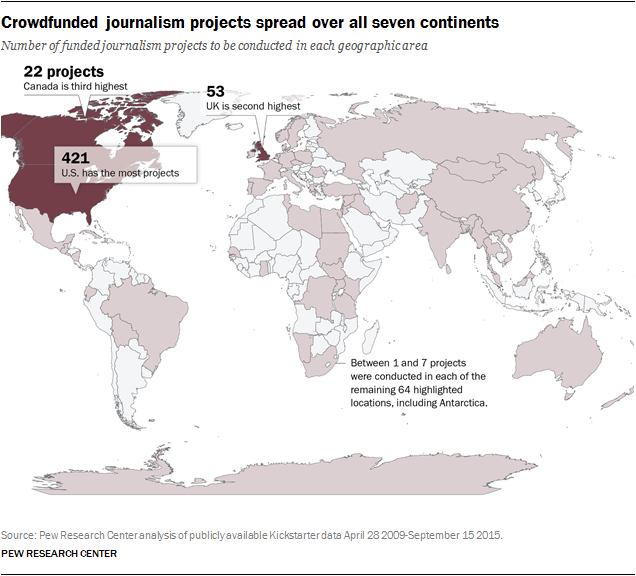
| Crowdfunding | Raising small amounts of money from a large number of people online. | Time-sensitive projects or campaigns that have broad public appeal. |
Choosing the right mix of these methods depends on your organization's goals, resources, and the community you serve.
Ethical Foundations
Trust is a fundraiser's most valuable asset. Without it, relationships crumble and support disappears. Operating ethically is non-negotiable. This means being transparent about how funds are used, respecting donor privacy, and ensuring that every donation is used for its intended purpose.
Key ethical principles include accountability, transparency, and honoring donor intent. Always be clear about where the money goes and the impact it has.
Honoring donor intent is particularly important. If someone gives money for a specific program, that's where the money must go. Being a good steward of a donor's gift is the best way to earn their continued trust and support.
What is described as the foundation upon which every successful fundraising effort is built?
Which of the following is NOT listed as a common motivation for donors to give?