Funding Your Animal Sanctuary
Understanding Grant Writing
What is a Grant?
Think of a grant as a gift with a purpose. It's a sum of money awarded by a foundation, corporation, or government entity to help an organization achieve a specific goal. Unlike a loan, a grant does not need to be repaid. For an animal sanctuary, this could mean funding for a new kitten enclosure, a spay-and-neuter program, or even general operating costs to keep the lights on and the animals fed.
Grants generally fall into a few categories:
- Project Grants: These are the most common. They fund a specific, time-limited project, like building a new dog run.
- General Operating Support: This funding is more flexible. It covers the day-to-day costs of running your organization, such as salaries, rent, and utilities. It’s based on the funder's trust in your mission.
- Capital Grants: These are for major, one-time expenses, such as buying a building or a new transport vehicle.
Anatomy of a Grant Proposal
A grant proposal is your formal request for funding. It’s a detailed document that explains what problem you want to solve, how you plan to solve it, and why your organization is the right one for the job. While every funder has slightly different requirements, most proposals follow a standard structure.
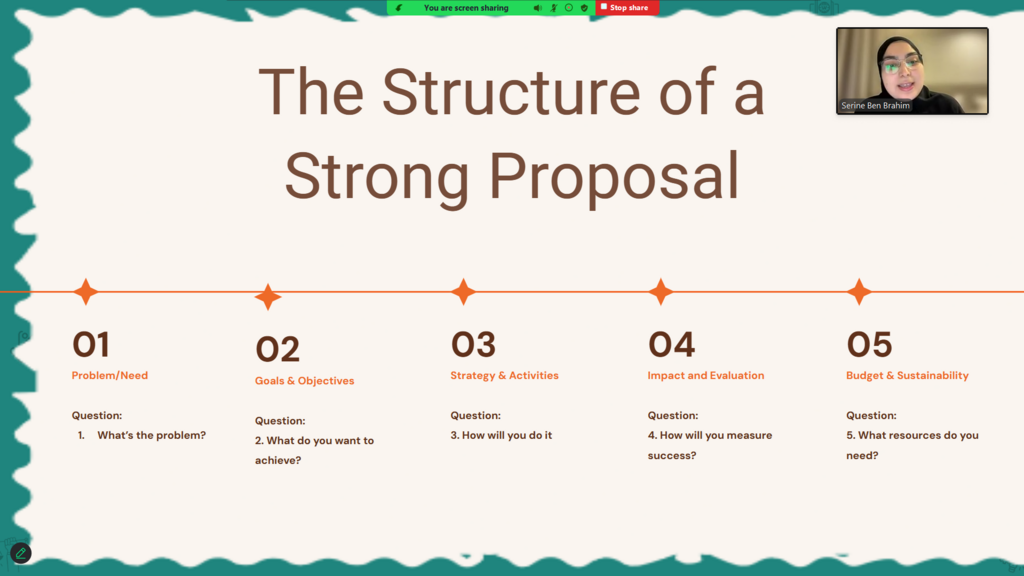
Let's break down the core sections:
- Summary/Abstract: A concise overview of your entire proposal, written last. It’s the first thing a reviewer reads, so it needs to be powerful.
- Problem Statement: Clearly define the issue you’re addressing. Use data and stories to show why it matters. For example, instead of saying "There are many homeless cats," you could state, "Our county saw a 30% increase in stray cat intake last year, overwhelming local resources."
- Goals and Objectives: What do you hope to achieve? Goals are broad (e.g., "Reduce feline overpopulation"), while objectives are specific, measurable, achievable, relevant, and time-bound (SMART). For example, "Spay or neuter 300 feral cats in the downtown district within 12 months."
- Strategy & Activities: This is your plan of action. Describe the specific steps you will take to meet your objectives.
- Impact and Evaluation: How will you measure success? This section shows you’re serious about results. You might track the number of animals adopted, the reduction in intake rates, or community members educated.
- Budget: A detailed breakdown of all project costs and how the grant money will be spent. Be realistic and transparent.
- Organization Information: Briefly describe your sanctuary’s history, mission, and past successes to build credibility.
Aligning With the Funder
Applying for grants isn't a numbers game where you send the same proposal to a hundred different foundations. It's about finding the right match. Each funder has its own mission, values, and specific causes it wants to support. Your job is to find funders whose priorities align with your project.
Think of it like this: your project is a key, and the funder's mission is the lock. You can't force a key into the wrong lock. You need to find the one it was designed for.
Before you write a single word, thoroughly research the funder. Read their mission statement, review their past grants, and understand what they care about. If a foundation only funds wildlife conservation, they are unlikely to fund your domestic dog rescue, no matter how compelling your proposal is. Tailor your proposal to speak directly to their interests, using language that mirrors their own and showing how your work helps them achieve their goals.
Writing to Win
Grant reviewers read hundreds of proposals. Yours needs to stand out. The best way to do that is with writing that is clear, concise, and compelling. Avoid jargon and academic language. Be direct and use an active voice.
Effective stories communicate your organization’s overarching brand message and unique position, persuading donors that your mission is worth supporting.
Data is crucial, but so is heart. Tell a story. Instead of just presenting statistics about animal homelessness, share the story of one animal you rescued. A narrative helps the reviewer connect emotionally to your mission and see the real-world impact of their potential investment. Combine a compelling story with solid data, and you'll have a proposal that's hard to ignore.
Ready to check your understanding? Let's see what you've learned.
What is the primary difference between a grant and a loan?
An animal sanctuary needs funding to cover monthly staff salaries, rent, and utility bills. Which type of grant should they seek?
With these fundamentals in mind, you're ready to start seeking funding that can bring your sanctuary's important projects to life.