Fundamentals of UI Design
Introduction to UI Design
What Is UI Design?
User Interface (UI) design is the process of creating the visual and interactive elements of a digital product. Think about the apps you use every day. The buttons you tap, the text you read, the images you see, and the sliders you move—all of these are part of the user interface. A UI designer's job is to make sure this interface is not only beautiful but also easy to use and understand.
The goal of UI design is to create a clear, efficient, and enjoyable path for a user to follow. It's the visual bridge between a person and the technology they're using.
A well-designed interface feels intuitive. You don't need a manual to figure it out. It guides you naturally from one step to the next. On the other hand, a poorly designed interface can be confusing, frustrating, and make an otherwise powerful tool completely unusable. It’s the difference between walking into a clearly labeled, well-lit store versus a cluttered, disorganized one.
UI vs. UX
You'll almost always hear UI mentioned alongside UX, which stands for User Experience. While they are closely related and often work together, they are not the same thing. Understanding the difference is key.
User Experience (UX) Design is about the overall experience a person has with a product. It focuses on the user's journey from start to finish. Is the product logical? Does it solve a real problem? Is it easy to accomplish tasks? UX is the big picture—the entire journey.
User Interface (UI) Design is a crucial part of that journey, but it focuses specifically on the look and feel. UI is concerned with the visual presentation and interactivity of the product. It’s the colors, typography, and spacing. It's the design of the buttons, icons, and menus.
Think of it like building a house. UX design is the architectural blueprint: the number of rooms, the flow between them, where the doors and windows go. UI design is the interior decorating: the paint colors, the furniture, the light fixtures. You need both to create a functional and pleasant home.
Why Good UI Matters
A great UI can be the deciding factor in a product's success. It has a direct impact on how users feel about a product and whether they'll continue to use it.
First Impressions Count: A clean, professional-looking interface builds trust and credibility. If an app or website looks outdated or thrown together, users might assume the technology behind it is just as shoddy.
Increased Engagement: An intuitive and visually pleasing interface makes a product enjoyable to use. When users enjoy the experience, they are more likely to engage with it, explore its features, and return in the future.
Clear Communication: Good UI design guides users effortlessly. Through visual hierarchy, clear labeling, and consistent patterns, it tells users what is most important on a screen and what actions they can take. This reduces confusion and helps users achieve their goals faster, which is a win for everyone.
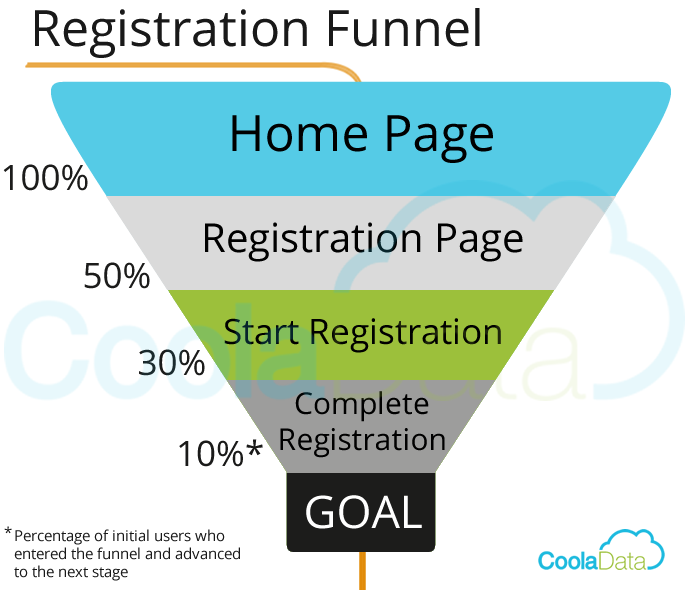
Investing in exceptional UI/UX design isn’t just about aesthetics—it’s about creating a product that delivers real value, drives business growth, and keeps users returning for more.
Now that you understand what UI design is and why it's so important, you're ready to explore the core principles that guide the creation of effective interfaces.
Ready to check your understanding?
What is the primary focus of User Interface (UI) design?
Which statement best describes the relationship between User Interface (UI) and User Experience (UX)?