Fundamentals of Textile Fabrication
Textile Fabrication Basics
Fibers, Threads, and Fabrics
Every piece of fabric starts as a fiber. Think of fibers as the tiny, hair-like strands that are spun together to create thread or yarn. These threads are then woven or knitted together to make the fabrics we use every day. The type of fiber determines a lot about the final fabric, like how it feels, how it wears, and what it's best used for.
Fibers fall into two main categories: natural and synthetic. Natural fibers come from plants and animals. Cotton, for example, comes from a plant and is known for being soft and breathable. Wool comes from sheep and is prized for its warmth. Synthetic fibers, on the other hand, are man-made through chemical processes. Polyester is a common synthetic known for its durability and resistance to wrinkles.
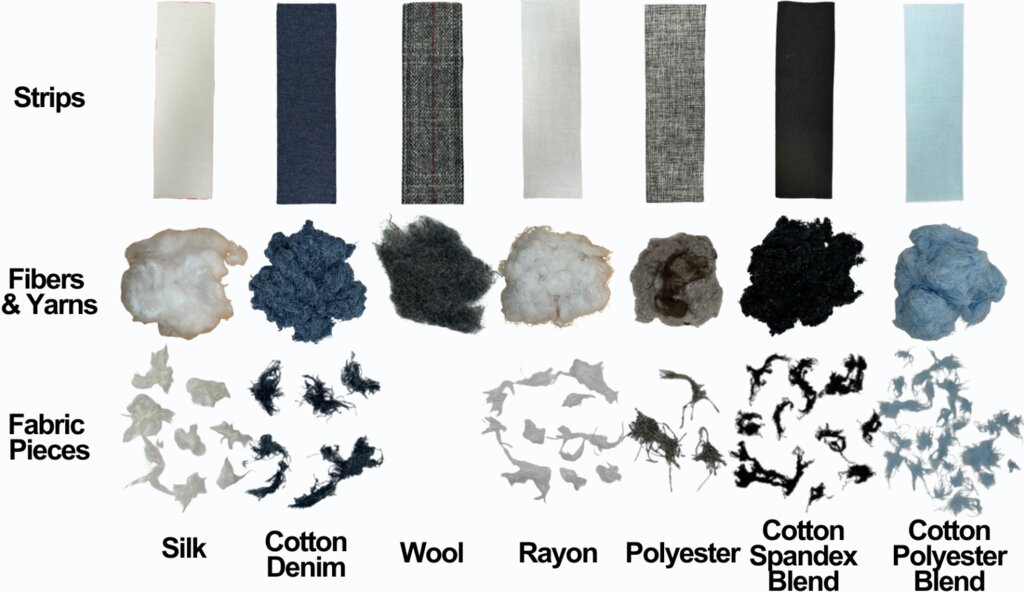
The choice of fiber is one of the most important decisions in making a garment. You wouldn't make a winter coat out of thin linen, just as you wouldn't make a summer shirt out of heavy wool. Understanding the basic properties of different materials is a fundamental skill.
| Fiber Type | Source | Key Properties |
|---|---|---|
| Cotton | Natural (Plant) | Soft, breathable, absorbent |
| Wool | Natural (Animal) | Warm, water-resistant, durable |
| Silk | Natural (Insect) | Smooth, strong, lustrous |
| Linen | Natural (Plant) | Strong, absorbent, dries quickly |
| Polyester | Synthetic | Durable, wrinkle-resistant, quick-drying |
| Rayon | Synthetic | Soft, absorbent, drapes well |
The Essential Toolkit
Before you can start sewing, you need a few basic tools. You don't need a lot of fancy equipment to begin. A small, well-chosen set of tools will handle most hand-sewing tasks, from mending a tear to creating a new project from scratch.
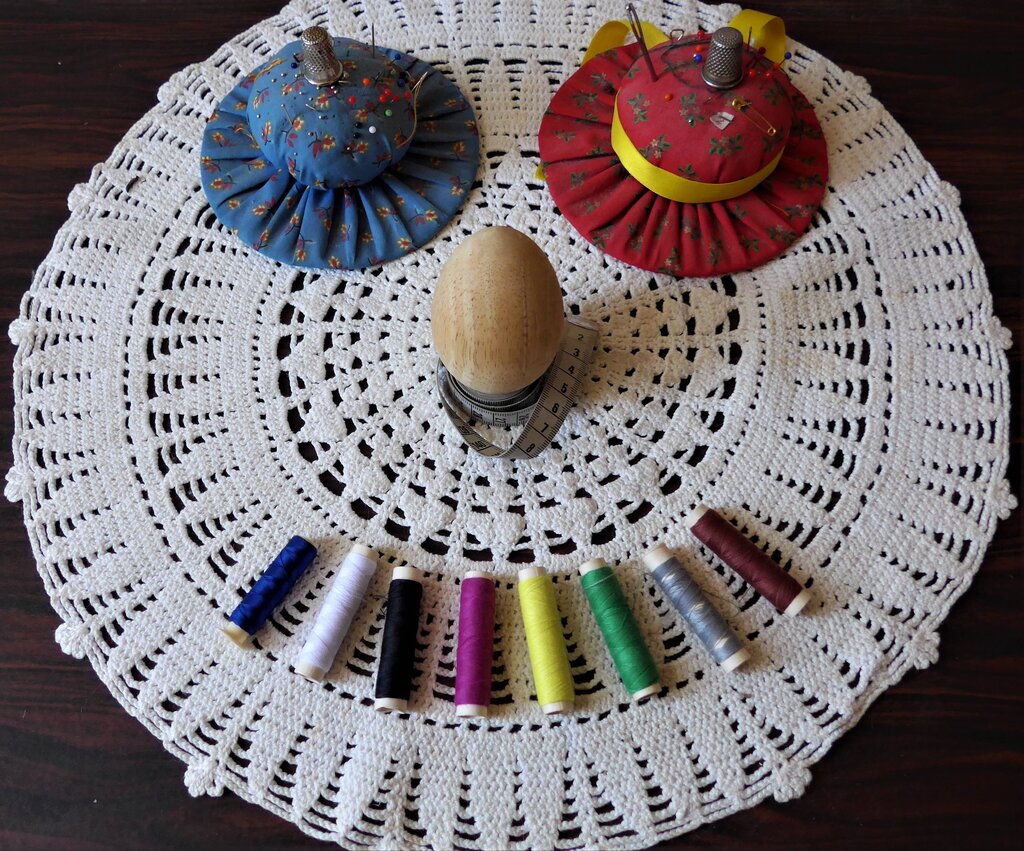
Here are the absolute essentials:
- Needles: They come in various sizes. A smaller number indicates a larger, thicker needle, while a larger number means a finer needle. It's good to have a variety pack.
- Thread: Like fabric, thread comes in different materials like cotton and polyester. A good rule is to match your thread material to your fabric material.
- Scissors: A sharp pair of fabric scissors is crucial. Using them only for fabric will keep them from getting dull.
- Pins: These are used to hold fabric pieces together before and during sewing.
- Measuring Tape: A flexible measuring tape is necessary for taking body measurements and measuring fabric.
First Stitches
Hand sewing is built on a few fundamental stitches. Mastering just two or three will allow you to complete a wide range of projects. The goal is to create stitches that are even in length and spacing. This takes practice, but it's a skill that develops quickly.
Start with the basic stitches, which are the foundation of most sewing projects:
Two of the most common stitches are the running stitch and the backstitch.
The Running Stitch: This is the simplest stitch. You simply weave the needle in and out of the fabric in a straight line. It's great for gathering fabric or creating temporary seams (basting).
The Backstitch: This is a strong, durable stitch that looks like a machine-sewn seam on one side. Each stitch overlaps the one before it, creating a solid line. It's perfect for seams that need to be secure.
Finishing Touches
Once your seams are sewn, the final step is finishing. Finishing refers to the techniques used to neaten raw edges of fabric. Without this step, the woven threads at the edge of the fabric can easily unravel, causing the seam to weaken and fall apart over time.
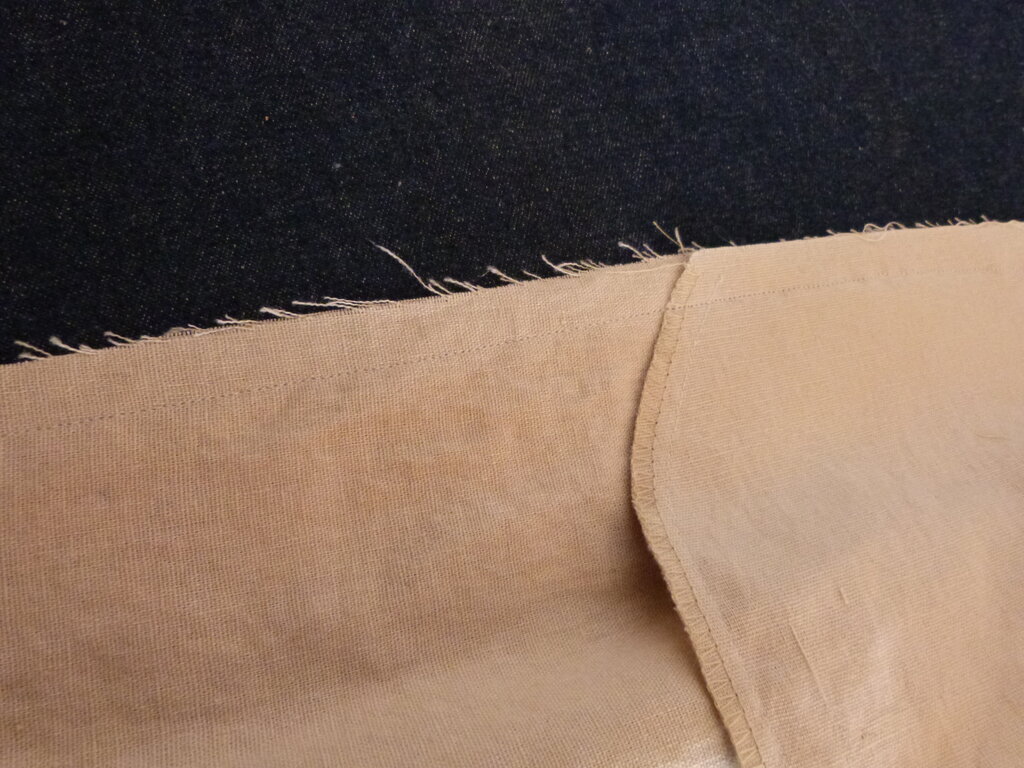
Finishing not only makes your project more durable but also gives it a professional, clean look. One of the most common finishing tasks is creating a hem, which involves folding the raw edge under and stitching it down. This encloses the raw edge, preventing it from fraying and providing a neat finish to a garment's bottom edge, a sleeve, or a curtain.
Without seam finishing, raw edges unravel and turn your best sewing project failures into frustrating lessons.
Now that you've learned about the building blocks of textiles, it's time to check your understanding.
What are the fundamental, hair-like strands that are spun together to create yarn for fabric?
Which of the following is a synthetic, man-made fiber?
With these fundamentals, you're ready to start exploring the world of textile fabrication. Understanding materials, tools, and basic techniques is the first step toward creating durable and beautiful sewn projects.