Fundamentals of Digital Marketing
Introduction to Digital Marketing
What Is Digital Marketing?
At its core, digital marketing is simply any marketing effort that uses an electronic device or the internet. It's the art and science of promoting products, services, or brands through digital channels to reach consumers. Instead of just broadcasting a message, it’s about creating a conversation and building relationships with people where they spend a significant amount of their time: online.
Digital marketing refers to the promotion of products or services using digital channels, such as search engines, websites, social media, email, and mobile apps.
This modern approach goes beyond just placing ads on a website. It encompasses a wide range of strategies and tactics, from having a compelling website to engaging with customers on social media, from appearing in search engine results to sending targeted emails. The goal is to connect with your audience in the right place and at the right time, offering them value before they even think about making a purchase.
Digital vs. Traditional Marketing
Traditional marketing, like print ads, TV commercials, and billboards, is a one-way street. A brand sends a message out to a broad audience, hoping it reaches the right people. Digital marketing, on the other hand, is a two-way conversation. It allows for direct interaction, immediate feedback, and precise targeting that was impossible with older methods.
| Feature | Traditional Marketing | Digital Marketing |
|---|---|---|
| Communication | One-way (Brand to Consumer) | Two-way (Interactive) |
| Audience | Broad, mass market | Highly targeted and specific |
| Measurement | Difficult and often indirect | Precise and data-driven |
| Cost | Often expensive with high upfront costs | More flexible and often more cost-effective |
| Engagement | Passive | Active and engaging |
The key difference is the ability to interact with your audience in real time. A newspaper ad can't tell you how many people actually saw it, let alone what they thought. A social media ad, however, can show you not just how many people it reached, but also who they are, how they engaged with it, and what actions they took next.
Why Go Digital?
Businesses are shifting their focus to digital marketing for a few powerful reasons. It's not just about following trends; it's about getting better results and building stronger customer relationships.
One of the biggest advantages is measurability. Every click, view, and conversion can be tracked. This data allows marketers to see what’s working and what isn’t, making it possible to optimize campaigns for better performance and a higher return on investment (ROI).
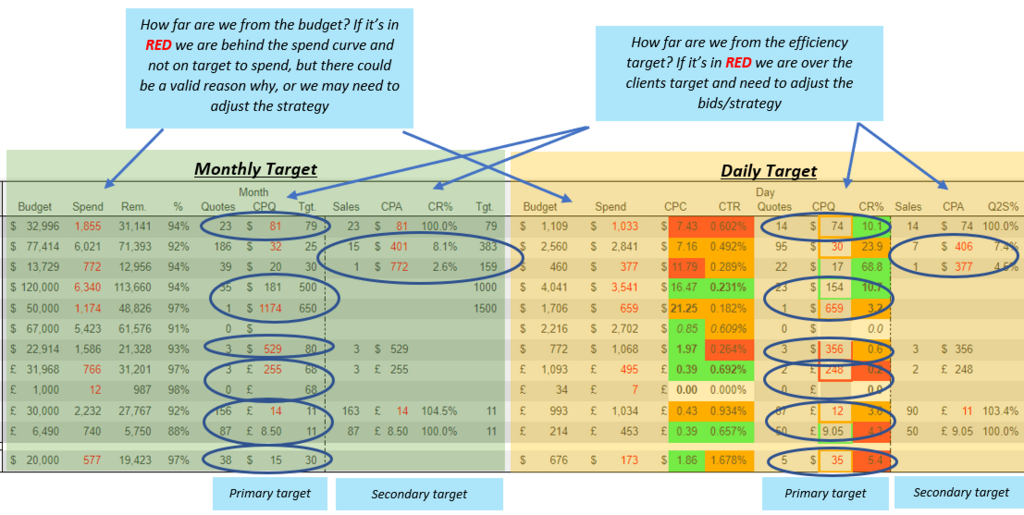
Another key benefit is personalization. Digital tools allow businesses to collect data on customer preferences and behavior. This information can be used to tailor marketing messages and offers to specific individuals or groups, making the communication far more relevant and effective.
Finally, digital marketing excels at engagement. Platforms like social media create a direct line of communication between a brand and its customers. This interaction helps build a loyal community around the brand, fostering trust and long-term relationships that go beyond a single transaction.
Key Digital Marketing Channels
Digital marketing is a broad field with many different avenues to explore. While a comprehensive strategy often uses a mix of channels, some of the most common and effective ones include:
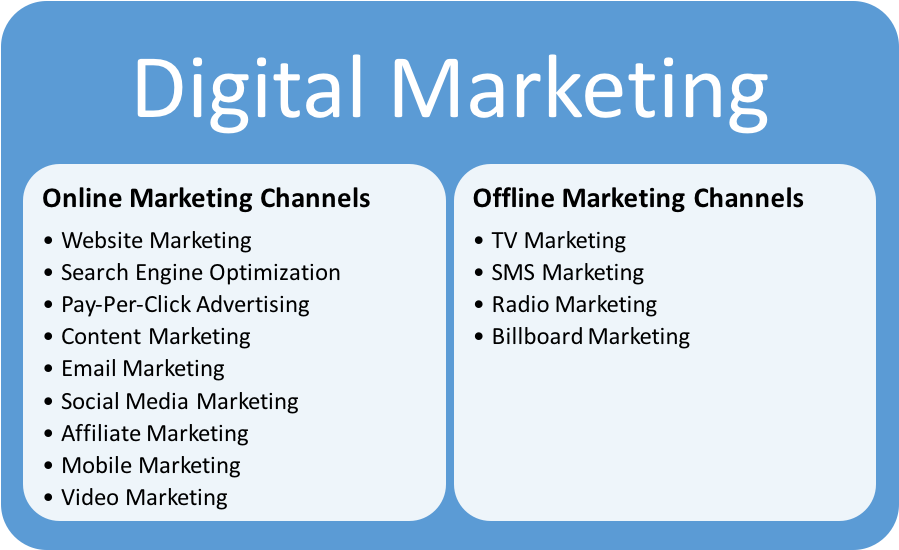
- Search Engine Optimization (SEO): The process of optimizing your website to rank higher in search engine results, increasing the visibility of your brand to potential customers.
- Content Marketing: Creating and sharing valuable free content—like blog posts, videos, and ebooks—to attract and convert prospects into customers, and customers into repeat buyers.
- Social Media Marketing: Promoting your brand and content on social media channels to increase brand awareness, drive traffic, and generate leads.
- Pay-Per-Click (PPC) Advertising: A model where you pay a fee each time one of your ads is clicked. Search engine advertising is one of the most popular forms of PPC.
- Email Marketing: A way to communicate with your audience directly. It's often used to promote content, discounts, and events, as well as to direct people toward the business's website.
Each of these channels offers a unique way to connect with your audience. The most successful strategies often combine several of them to create a unified and effective marketing approach.
What is the primary characteristic that distinguishes digital marketing from traditional marketing?
A business that creates and shares valuable blog posts, videos, and ebooks to attract customers is engaging in which type of digital marketing?