Functionally Coupled Units Explained
Introduction to HVAC Systems
What is an HVAC System?
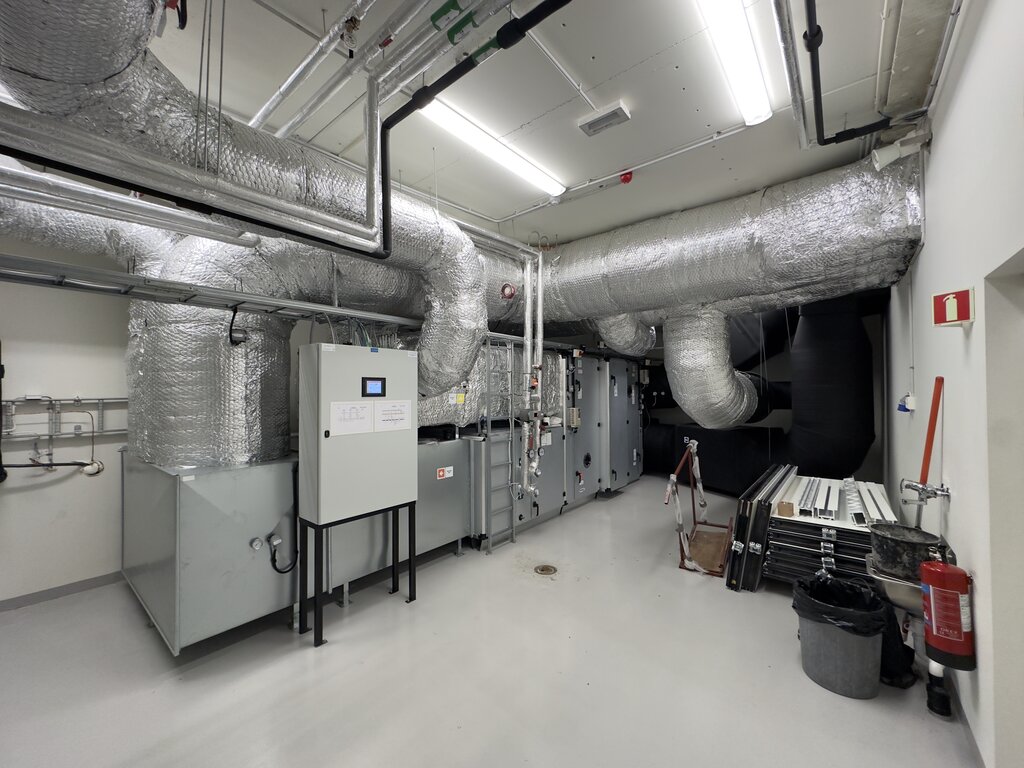
HVAC stands for Heating, Ventilation, and Air Conditioning. It's the technology of indoor environmental comfort. Its job is to keep you comfortable and safe by controlling the temperature, humidity, and purity of the air inside a building, whether it's a house, a school, or a skyscraper.
An HVAC system is a mechanical framework designed to regulate indoor environments by controlling temperature, humidity, and air quality.
Think of it as the lungs of a building. The ventilation part circulates air, replacing stale indoor air with fresh outdoor air while also filtering out particles like dust and pollen. The heating and air conditioning parts raise or lower the air temperature to a desired level. Together, these three functions create a healthy and pleasant indoor climate.
The Core Components
While HVAC systems can be complex, they generally rely on a few key components to get the job done. Understanding these parts is the first step to understanding how the whole system works.
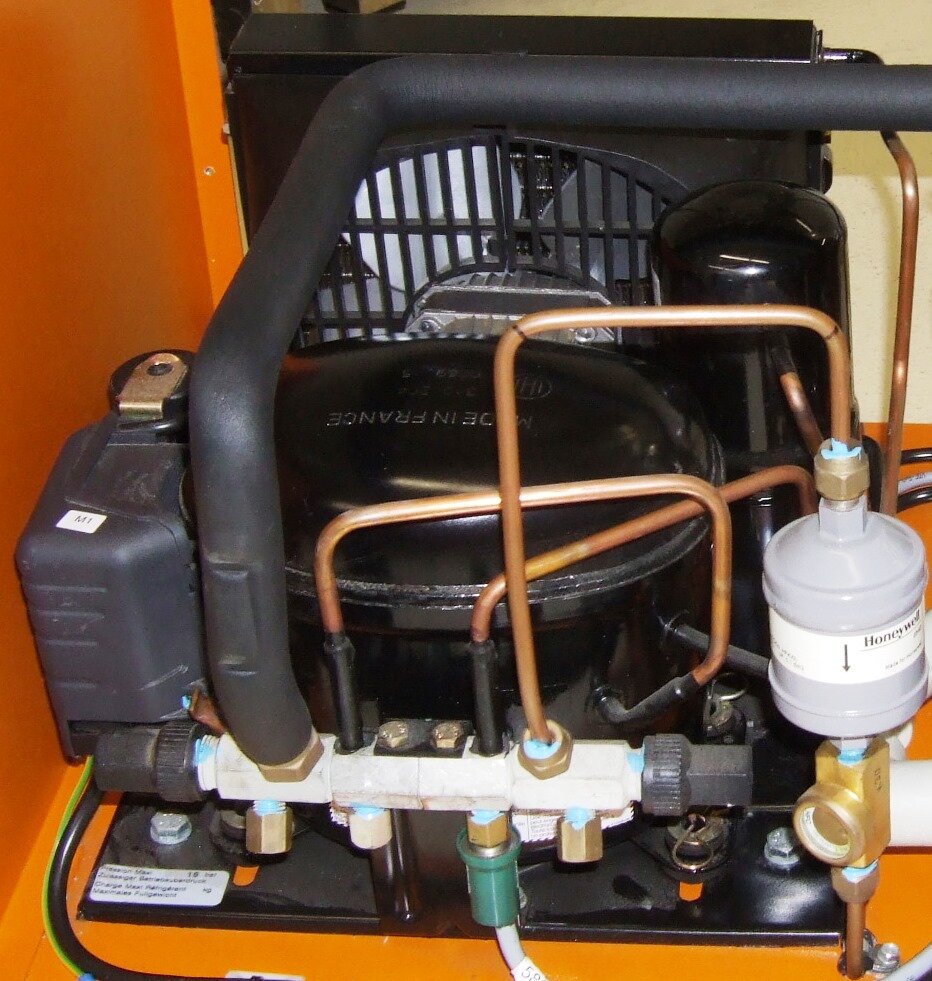
compressor
noun
A mechanical device that increases the pressure of a gas by reducing its volume. In HVAC, it pressurizes refrigerant, a key step in the cooling cycle.
The compressor is a pump that moves refrigerant through the system. When cooling, it pressurizes the refrigerant gas, causing it to get hot. This hot gas then flows to another component, the condenser (usually in the outdoor unit), where it releases its heat and turns into a liquid. This process is essential for removing heat from inside your home.
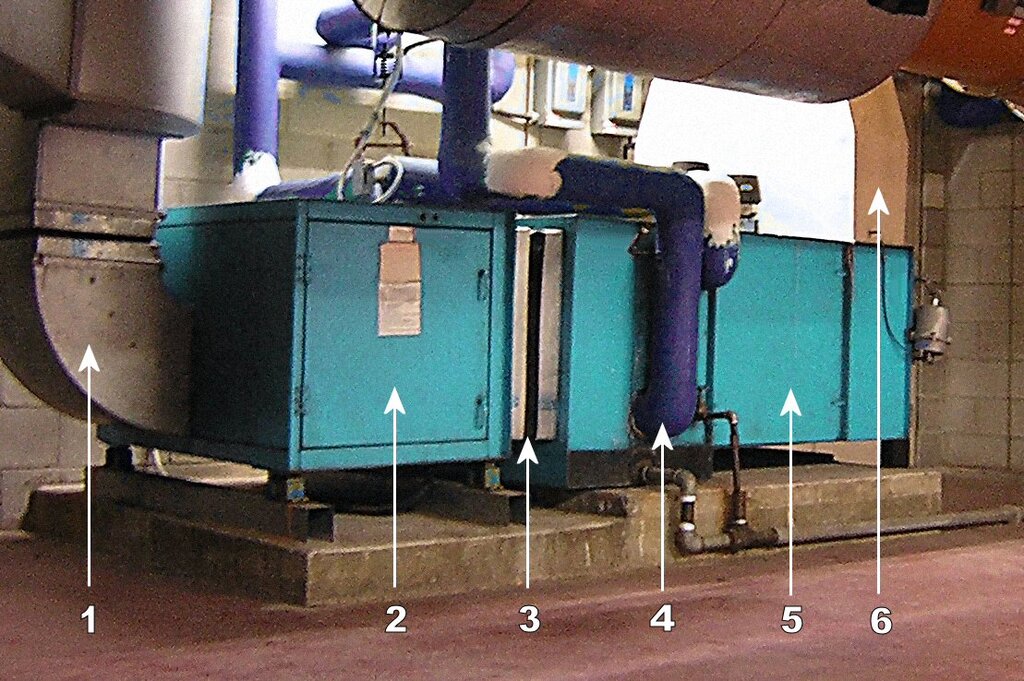
Next is the air handler. This is typically a large metal box containing a blower, heating or cooling elements, and air filters. The blower is a fan that draws air from inside your house, pushes it across the heating or cooling elements, and then sends the newly conditioned air back into the rooms through a network of ducts.
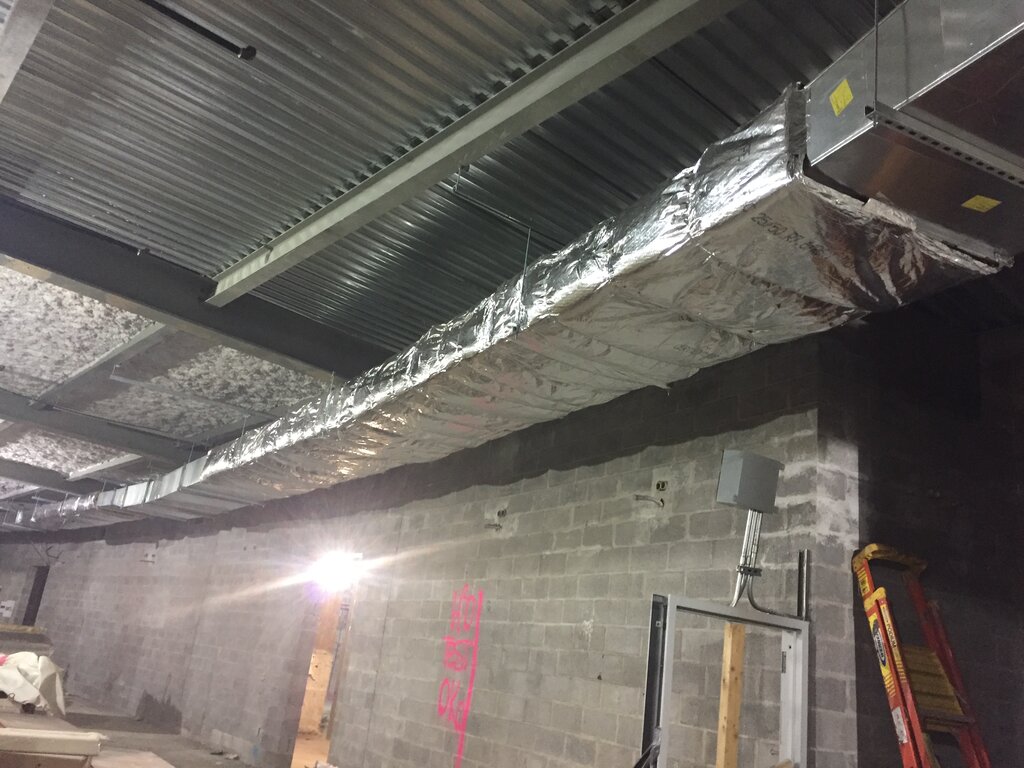
Finally, there's the ductwork. These are the passages used to deliver and remove air. The conditioned air from the air handler travels through supply ducts to different rooms. Return ducts pull air from the rooms and bring it back to the air handler to be filtered and conditioned again. Ducts are often hidden in walls, ceilings, and floors.
Common System Types
HVAC systems come in several configurations. The best type for a building depends on its size, climate, and budget. Let's look at three common designs.
Split Systems This is the most common type in residential homes. The system is 'split' into two main units: an outdoor unit containing the compressor and condenser, and an indoor unit with the evaporator coil and air handler or furnace. They are connected by pipes carrying refrigerant.
Packaged Units Unlike split systems, packaged units contain all the main components—the compressor, condenser, and air handler—in a single box. These are common in commercial buildings where they are often placed on the roof. They connect to the building's ductwork to supply and receive air.
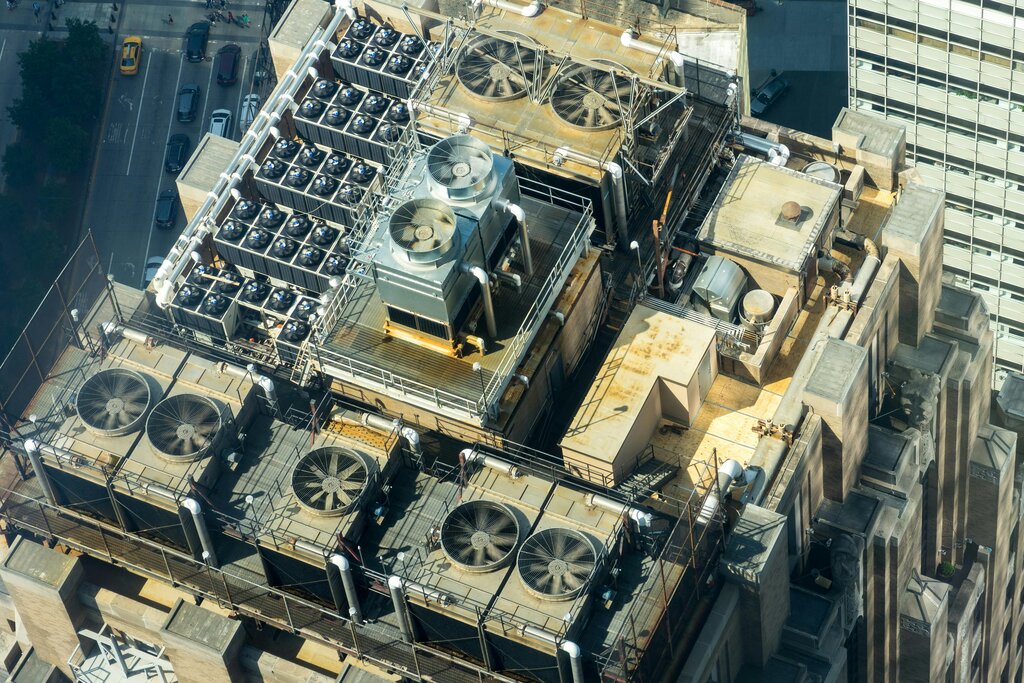
Variable Refrigerant Flow (VRF) Systems VRF systems are a more modern and highly efficient option. They use a single outdoor condensing unit connected to multiple indoor air handling units. Each indoor unit can be controlled individually, allowing for different temperature zones within the same building. The system varies the flow of refrigerant to each indoor unit based on its specific need, which saves a significant amount of energy.
VRF systems are like having multiple, independent air conditioners that all share one smart, energy-saving engine.
Now that you understand the basic purpose, parts, and types of HVAC systems, you have a solid foundation for learning about more specific components and how they all work together to create a comfortable indoor environment.
What is the primary role of the compressor in an air conditioning system?
Which component is described as a large metal box containing a blower, heating or cooling elements, and air filters?