Functional Hypothalamic Amenorrhea Explained
Introduction to Functional Hypothalamic Amenorrhea
When Your Period Stops
Functional Hypothalamic Amenorrhea, or FHA, is a condition where menstruation stops. It’s not because of an underlying physical disease, but because of a communication breakdown between the brain and the ovaries. Let's break down the name:
- Functional: This means the organs involved (the hypothalamus, pituitary gland, and ovaries) are structurally normal. The problem is with how they’re functioning, or communicating.
- Hypothalamic: This points to the source of the issue—the hypothalamus, a small but vital region at the base of your brain that acts as a control center.
- Amenorrhea: This is the medical term for the absence of menstrual periods.
Amenorrhea
noun
The absence of menstruation — one or more missed menstrual periods. Women who have missed at least three menstrual periods in a row have amenorrhea, as do girls who haven't begun menstruation by age 15.
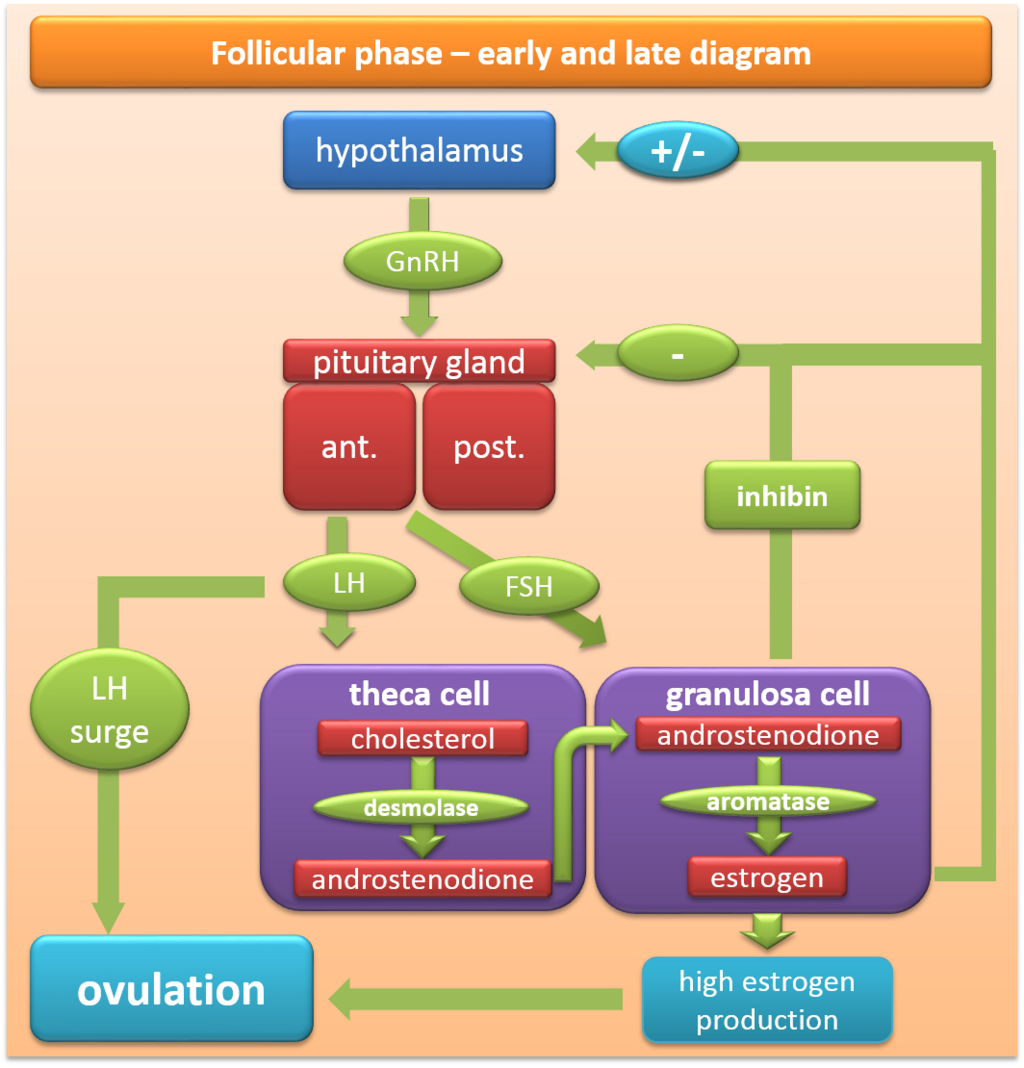
Your menstrual cycle is regulated by a finely tuned messaging system called the hypothalamic-pituitary-ovarian (HPO) axis. Think of it as a chain of command. The hypothalamus sends a signal (a hormone called GnRH) to the pituitary gland. The pituitary then releases its own hormones (LH and FSH), which travel to the ovaries, telling them to mature and release an egg and produce estrogen.
In FHA, the hypothalamus slows or stops sending its GnRH signal. This can happen due to stressors like intense exercise, low body weight, or high psychological stress. Without that initial command, the entire chain reaction fizzles out. The ovaries don't get the message to ovulate, estrogen levels drop, and menstruation ceases.
This diagram shows how the system is supposed to work. In FHA, the initial signal from the hypothalamus is reduced or absent, halting the entire process.
Prevalence and Impact
FHA is one of the most common causes of secondary amenorrhea (when a woman who has had regular periods stops having them). It's estimated to affect about 1.6 million women in the United States and accounts for roughly 30% of cases where periods stop for reasons other than menopause.
It is particularly common in populations experiencing significant physical or psychological stress, such as elite athletes, dancers, or women with eating disorders. However, it can affect any woman whose energy expenditure consistently exceeds her energy intake.
The absence of a period is often the most noticeable sign of FHA, but it's a signal of a deeper hormonal issue. The condition is significant because it's linked to several health consequences, primarily due to low levels of estrogen.
Missing periods are not just an inconvenience; they are a sign that the body is under significant strain, leading to health risks involving bone density, cardiovascular health, and fertility.
Long-term low estrogen can weaken bones, increasing the risk for stress fractures and osteoporosis later in life. It can also negatively affect cholesterol levels and the health of blood vessels, impacting the cardiovascular system. And because ovulation isn't occurring, FHA is a common cause of infertility.
Understanding FHA is the crucial first step. Recognizing that a missing period can be more than a temporary issue allows for proper diagnosis and management, protecting both reproductive and long-term health.