Fun with Numbers
Understanding Numbers
Getting to Know Numbers
Numbers are everywhere. We use them to count our toys, check our age, and see what page we're on in a book. The first step in understanding numbers is learning to count. This means saying the numbers in the right order, one after another: 1, 2, 3, 4, and so on. As you count, you're building a ladder of numbers, with each new number being one step higher than the last.
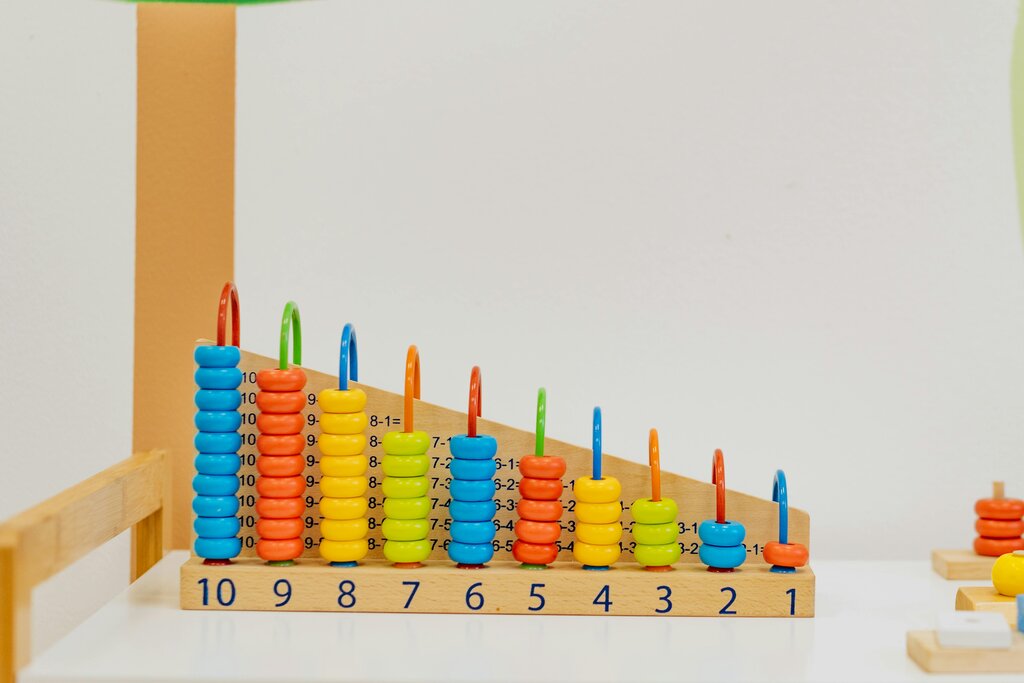
Counting all the way to 100 can feel like a big task. A helpful trick is to look for groups of ten. Think of your fingers, you have ten of them! After you count to ten, you start a new group. The number 11 is just one group of ten and one single one. The number 12 is one group of ten and two single ones. This pattern continues, making big numbers much easier to understand.
Tens and Ones
When we look at a number like 24, we're actually looking at two parts: the tens and the ones. This idea is called place value. The position of a digit tells us its value. In the number 24, the '2' isn't just a two. Because it's in the tens place, it means two groups of ten, or 20. The '4' is in the ones place, so it simply means four ones.
So, 24 is made of 2 tens and 4 ones.
Understanding place value helps you see the building blocks of every number. Every two-digit number you see is just a combination of tens and ones.
Finding Patterns
Numbers are full of interesting patterns. A hundreds chart, which shows all the numbers from 1 to 100 in order, is a great tool for spotting them. It helps us see how numbers are organized.
| 1 | 2 | 3 | 4 | 5 | 6 | 7 | 8 | 9 | 10 |
|---|---|---|---|---|---|---|---|---|---|
| 11 | 12 | 13 | 14 | 15 | 16 | 17 | 18 | 19 | 20 |
| 21 | 22 | 23 | 24 | 25 | 26 | 27 | 28 | 29 | 30 |
| 31 | 32 | 33 | 34 | 35 | 36 | 37 | 38 | 39 | 40 |
| 41 | 42 | 43 | 44 | 45 | 46 | 47 | 48 | 49 | 50 |
| 51 | 52 | 53 | 54 | 55 | 56 | 57 | 58 | 59 | 60 |
| 61 | 62 | 63 | 64 | 65 | 66 | 67 | 68 | 69 | 70 |
| 71 | 72 | 73 | 74 | 75 | 76 | 77 | 78 | 79 | 80 |
| 81 | 82 | 83 | 84 | 85 | 86 | 87 | 88 | 89 | 90 |
| 91 | 92 | 93 | 94 | 95 | 96 | 97 | 98 | 99 | 100 |
Look at the chart. As you move from left to right in any row, the 'ones' digit counts up from 1 to 9, and then 0 in the next row. What happens when you move down a column? The 'tens' digit goes up by one (15, 25, 35...), but the 'ones' digit stays the same. The last column is special, showing counting by tens: 10, 20, 30, all the way to 100. Recognizing these patterns makes counting and understanding numbers much faster.
Hands-on activities like this make abstract concepts tangible, helping kids understand numbers in a relatable way.
Now let's review the main ideas we've covered.
Time to check what you've learned.
What number comes right after 19 when you are counting?
In the number 52, what does the digit '5' represent?
Great work. By understanding counting, place value, and patterns, you're building a strong foundation for all the math you'll learn in the future.