Fun Math for Little Learners
Recognizing Letters and Numbers
Letters vs. Numbers
Children are often fascinated by the symbols they see everywhere, from street signs to storybooks. Two of the most important types of symbols they'll learn are letters and numbers. It's common for kids to mix them up at first. An 'O' looks a lot like a '0', and an 'S' can look like a '5'. Our job is to help them see the difference and understand what each type of symbol is used for.
Letters are the building blocks of words. We use them to write names, stories, and messages. Numbers, on the other hand, are for counting and measuring. We use them to say how old we are, how many toys we have, or what time it is. A simple way to start is by pointing them out in everyday life. 'That's the number 3 on our door,' or 'Look, your name starts with the letter C.'
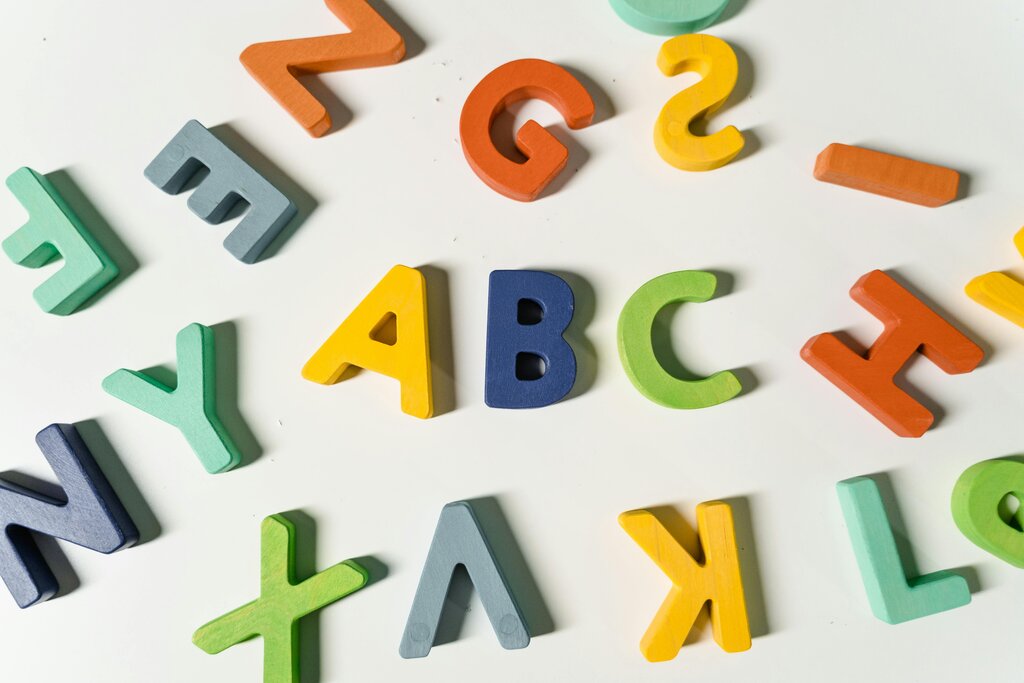
letter
noun
A character representing one or more of the sounds used in speech; any of the symbols of an alphabet.
number
noun
An arithmetical value, expressed by a word, symbol, or figure, representing a particular quantity.
Learning Through Play
The best way to teach the difference between letters and numbers is to make it fun. Children learn by doing, touching, and playing. Abstract ideas become much clearer when they can be held in their hands.
Young learners need to see, touch, and move numbers before they can master them.
Matching games are a great starting point. You can create simple cards with letters on some and numbers on others. Ask your child to sort them into two piles: a letter pile and a number pile. You don't need fancy materials. You can write on scraps of paper, use magnetic tiles on the fridge, or draw with chalk on the sidewalk.
Another powerful technique is matching symbols to quantities. When you see the number '4', count out four of their favorite snacks or toys. This simple action connects the written symbol to a real-world amount. For letters, you can match them to objects that start with that letter's sound. The letter 'B' goes with a ball. The letter 'A' goes with an apple.
Connect the letter 'B' with a picture of a 'Boat'. Connect the number '2' with a picture of 'Two' shoes. This association builds strong mental links.
Hands-On Exploration
Getting tactile is a fantastic way to help children remember the shapes of letters and numbers. The physical sensation of forming a symbol can make it stick in their memory much better than just looking at it.
There are many ways to do this. You can use play-dough to roll out and form different letters and numbers. Let them trace symbols in a shallow tray filled with sand, salt, or shaving cream. This sensory experience is both fun and educational. You can also use pipe cleaners to bend into the shapes of letters and numbers. These activities help develop fine motor skills at the same time.
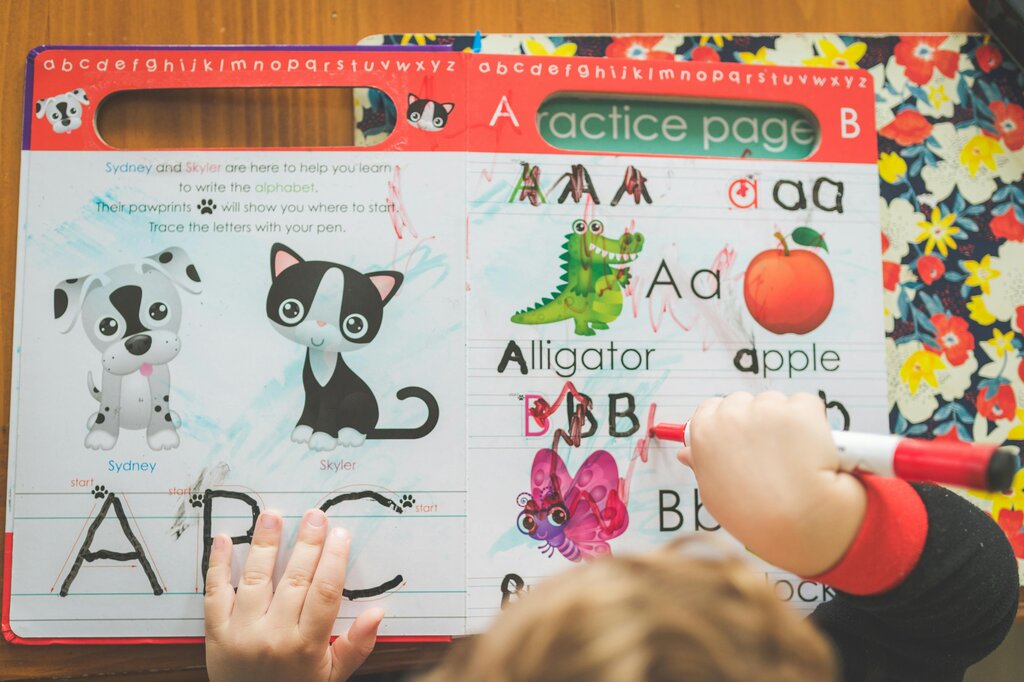
As they get more comfortable, you can combine these activities. Ask them to form the first letter of their name with play-dough, and then ask them to make the number that shows how old they are. By making learning an interactive and creative process, you're building a strong and positive foundation for all the learning that will come later.
Ready to check your understanding?
What is the primary function of letters?
A child is having trouble distinguishing between the letter 'O' and the number '0'. What is a helpful, hands-on activity to clarify the difference?
By consistently pointing out the differences and using playful, hands-on activities, you can help any child become confident in recognizing letters and numbers.