Fumigation Essentials
Introduction to Fumigation
What Is Fumigation?
When pests invade a space, getting rid of them can be tough. Some hide in walls, under floors, or deep inside stored goods. For these hard-to-reach infestations, a special method is often needed. This method is called fumigation.
Fumigation is a method of pest control that completely fills an area with gaseous pesticides—or fumigants—to suffocate or poison the pests within.
Think of it like filling a balloon with air. Fumigation fills an entire sealed area with a gas that is toxic to pests. Because it’s a gas, it can seep into every crack and crevice, reaching pests where sprays and baits can't. The goal is to eliminate the entire pest population within that contained space, from adults to eggs.
Where Fumigation Is Used
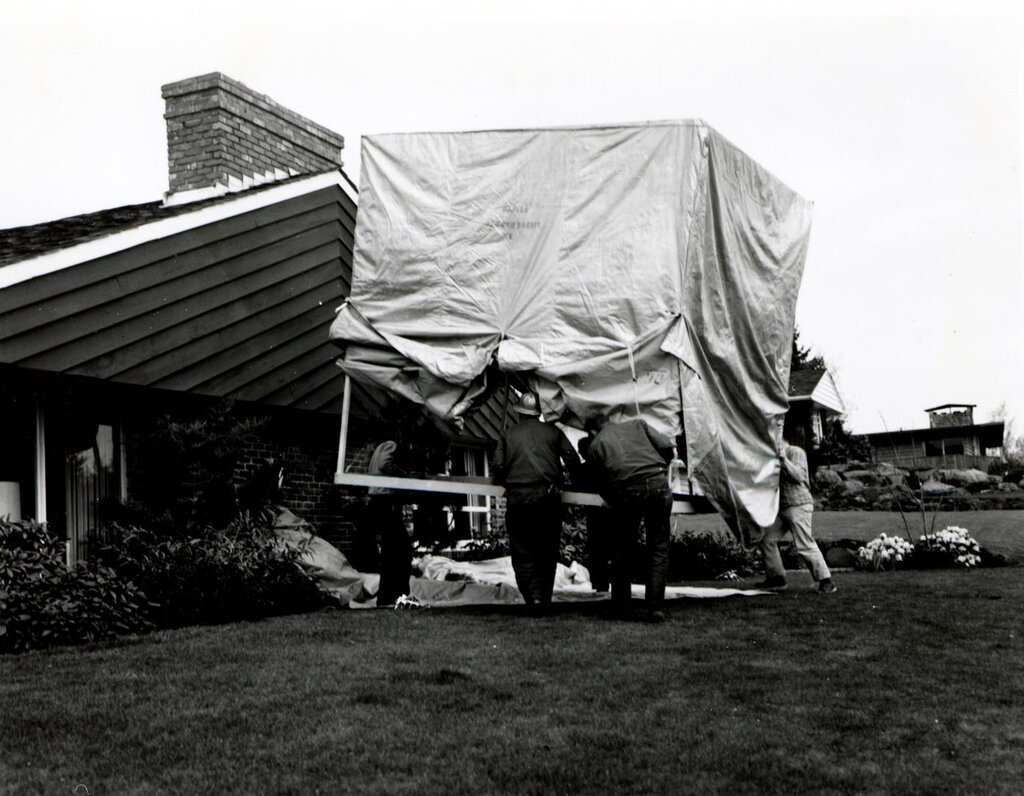
Fumigation is a versatile tool used in many different settings. In homes and buildings, it's a common way to deal with widespread infestations of pests like termites or bed bugs. The entire structure is often sealed with a tent to contain the fumigant.
Agriculture relies heavily on fumigation. Farmers fumigate soil to kill nematodes and other soil-borne pests before planting crops. Silos and storage bins are fumigated to protect harvested grains from insects like weevils. It's also used in processing facilities to keep food products pest-free.
Global trade also depends on this method. Shipping containers, ships, and airplanes are often fumigated to prevent the spread of invasive species and agricultural pests from one country to another. This helps protect local ecosystems and food supplies.
A Powerful Tool That Needs Care
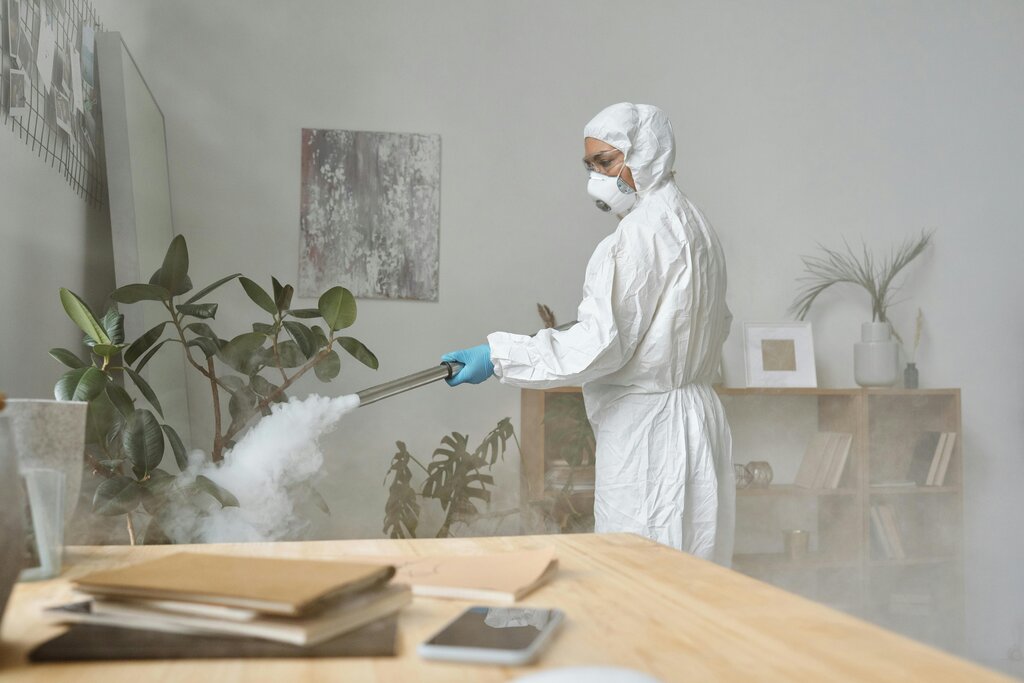
Because fumigation involves poisonous gases, it is a highly regulated process. The fumigants used are toxic not just to pests, but also to humans, pets, and other non-target organisms. Safety is the top priority.
Professionals who perform fumigation must be licensed and follow strict protocols. These rules ensure the fumigant is contained, used effectively, and then safely aired out of the space before people re-enter. This careful management protects both public health and the environment.
Understanding the basics of fumigation is the first step in appreciating its role in a larger strategy called Integrated Pest Management (IPM). It's a powerful solution for severe infestations, but it's one that must always be handled with expertise and caution.