Fullstack Web Development Fundamentals
Introduction to Web Development
The Two Sides of a Website
Every website or web application is like a restaurant. There’s the dining area, where customers sit, look at the menu, and eat their food. This is the part everyone sees and interacts with. Then there's the kitchen, hidden away, where chefs prepare the meals, manage ingredients, and make sure everything runs smoothly. Without the kitchen, there's no food to serve.
Web development is split in a similar way. We have the front-end, which is everything you see and interact with in your browser, and the back-end, which is the behind-the-scenes machinery that makes it all work.
The Front-End: What You See
The front-end, also known as client-side development, is all about the user experience. It’s the layout of the page, the colors and fonts, the buttons you click, and the forms you fill out. A front-end developer’s job is to take a design and turn it into a living, breathing website that a user can navigate.
They ensure the website looks good and works well on all devices, from a large desktop monitor to a small smartphone screen. This is a crucial role that bridges the gap between design and technology.
A Front-End Developer builds the visual and interactive parts of a web application that the user experiences directly.
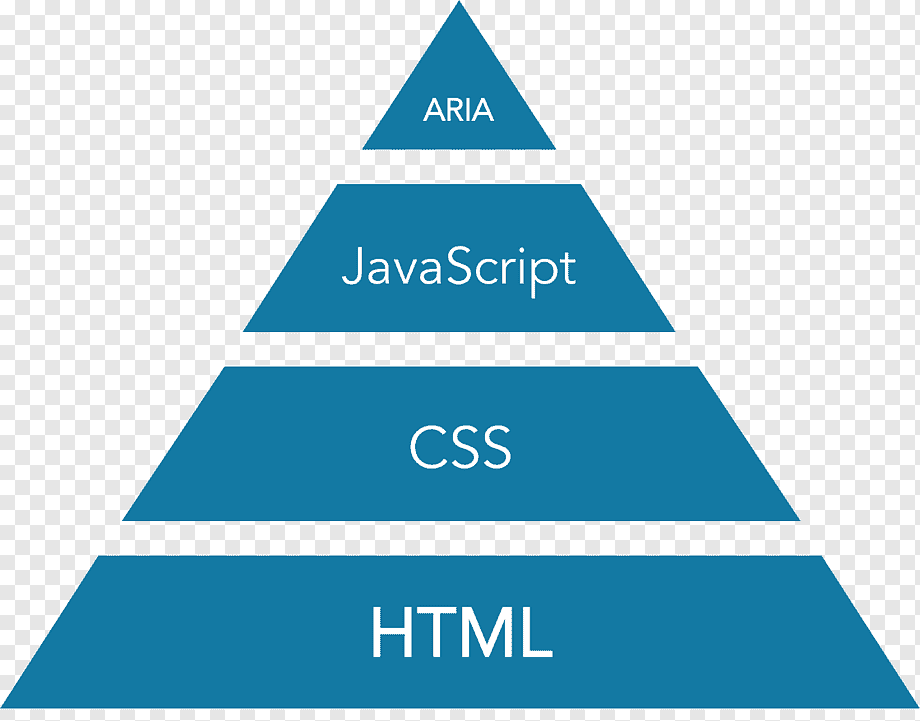
To do this, they use three core technologies that work together:
- HTML (HyperText Markup Language): This is the skeleton of a webpage. It provides the basic structure and content, like headings, paragraphs, and images.
- CSS (Cascading Style Sheets): This is the clothing and styling. CSS controls the colors, fonts, layout, and overall visual presentation of the HTML structure.
- JavaScript: This brings the website to life. JavaScript handles interactivity, animations, and any dynamic behavior, like what happens when you click a button or submit a form.
The Back-End: The Engine Room
If the front-end is what you see, the back-end is what you don't. Also called server-side development, the back-end is the engine that powers the website. It handles everything that happens behind the scenes. When you log into an account, the back-end verifies your username and password. When you buy something, it processes the payment and updates the store's inventory.
The back-end consists of three main parts: a server, an application, and a database.
A Back-End Developer builds and maintains the server, application logic, and database that allow the front-end to function.
Back-end developers work with technologies designed for these tasks:
- Server-Side Languages: These languages run on the server, not in the user's browser. They handle the core logic of the application. Common choices include Python, Java, Ruby, Node.js (which uses JavaScript), and PHP.
- Databases: This is where all the application's data is stored and managed. Think user profiles, product information, or blog posts. Technologies like SQL (for relational databases like PostgreSQL) and NoSQL (for databases like MongoDB) are used to organize and retrieve this data.
Working Together
The front-end and back-end are in constant communication. The front-end collects information from the user (like a button click) and sends it to the back-end. The back-end processes that information, often interacting with a database, and then sends a response back to the front-end to display to the user.
Some developers specialize in either the front-end or the back-end. Others work across both. These are known as full-stack developers. They have a broad understanding of the entire development process, from the user interface down to the database.
A full stack covers everything you need to build a complete web app, from what users see to how data is processed and stored.
Now that you know the key roles, let's review the main concepts.
Using the analogy of a restaurant, which part corresponds to the 'front-end' of a website?
Which of the following tasks is primarily a responsibility of a back-end developer?
Understanding the distinction between the front-end and back-end is the first step in learning web development. It provides a map of how websites work and helps clarify the different skills and technologies involved in creating them.