Full-Stack Web App Deployment
Introduction to Web Development
How Websites Work
Think of a website not as a static page in a book, but as an interactive application. When you use online banking, stream a movie, or collaborate on a document, you're using a web application. These applications live on the internet and run inside your web browser.
At its core, web development is the work that goes into building these applications, from the simplest personal blog to a complex social media platform.
To understand how this works, we need to look at the relationship between your computer and the computers that host the websites you visit. This relationship is called the client-server model.
The Client and the Server
Imagine you're at a restaurant. You, the customer, are the client. You look at the menu and decide what you want. The kitchen, where the chefs prepare your meal, is the server. You place an order (a request) with the waiter, who takes it to the kitchen. The kitchen prepares your food and sends it back out (a response). You don't need to know how the kitchen works, only that you get your meal.
The web works in a very similar way. Your web browser (like Chrome, Safari, or Firefox) is the client. When you type a website address, like www.example.com, your browser sends a request over the internet to a powerful computer called a server. This server stores all the files that make up the website. The server finds the correct files, processes the request, and sends them back to your browser as a response. Your browser then assembles these files to display the webpage for you.
This constant back-and-forth of requests and responses is the foundation of how we experience the internet. But what exactly is being sent back and forth? This brings us to the two sides of web development: the front-end and the back-end.
Front-End vs. Back-End
Every web application has two sides, much like our restaurant. The front-end is the dining area—everything the customer sees and interacts with. The back-end is the kitchen—the hidden machinery that makes everything work.
| Part | Restaurant Analogy | Web Development Role |
|---|---|---|
| Front-End | The dining room: tables, menus, decor, waiters. | Everything you see and interact with in the browser. |
| Back-End | The kitchen: chefs, ovens, refrigerators, inventory. | The server, database, and logic that power the site. |
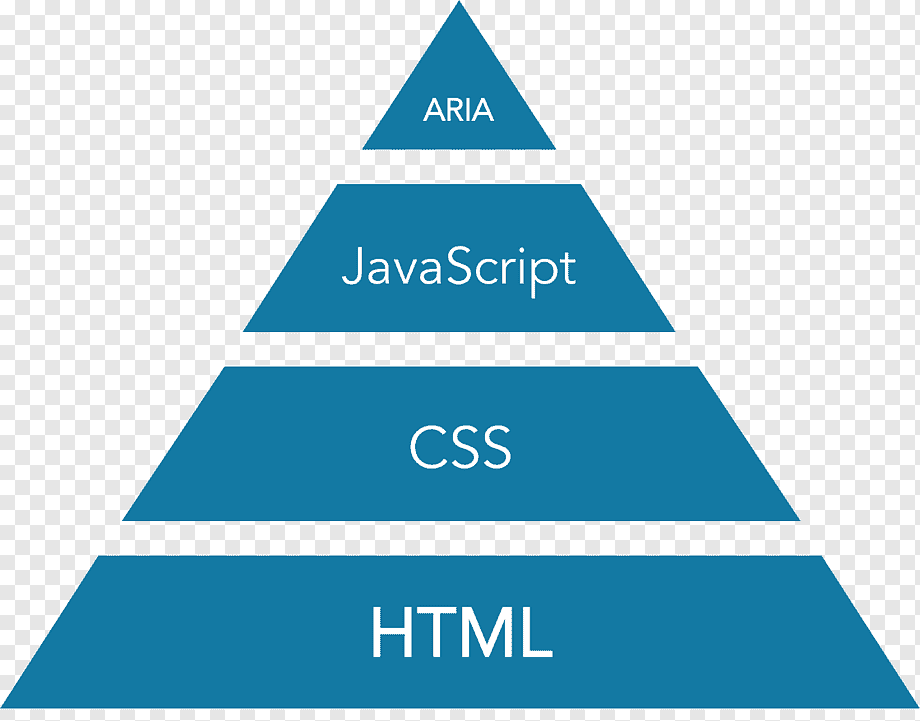
Front-end development (or client-side development) focuses on what the user sees. It's about building the user interface. This involves three core technologies:
- HTML (HyperText Markup Language): Provides the basic structure and content of the page, like the skeleton of a body.
- CSS (Cascading Style Sheets): Styles the HTML content, controlling colors, fonts, and layout. It's the clothing and appearance.
- JavaScript: Makes the page interactive. It handles animations, pop-ups, and responses to user actions like clicks and keyboard presses. It brings the page to life.
These three files are sent from the server to your browser, which then interprets them to render the visual and interactive website you experience.
Back-end development (or server-side development) is everything that happens behind the scenes. It's the logic that powers the front-end. When you log into an account, the back-end verifies your username and password. When you buy something, the back-end processes your payment and updates the store's inventory.
The back-end consists of three main parts:
- A server: The computer that receives requests from the client.
- An application: The program running on the server that processes requests and contains the core logic (written in languages like Python, Java, or Node.js).
- A database: Where all the data is stored, such as user profiles, product information, or blog posts.
Putting It All Together
A developer who works on both the front-end and the back-end is called a full-stack developer. They have the skills to build a complete web application from start to finish, managing everything from the user interface down to the database.
When you use a web app, the front-end and back-end are in constant communication. The front-end presents information and collects input from you. It then sends that input to the back-end, which processes it, interacts with the database, and sends a response back to the front-end to update what you see.
For example, when you post a comment on social media, your browser (front-end) sends the text to the server (back-end). The server saves it in the database and then tells your browser—and everyone else's—to display the new comment.
Understanding this separation between the client-facing front-end and the data-crunching back-end is the key to web development. It allows developers to build complex, powerful applications that feel simple and intuitive to the user.
In the client-server model, what is the role of your web browser (e.g., Chrome, Safari)?
Which of these tasks is handled by the back-end of a web application?
Now that you've got the basics down, you're ready to see how programming languages like Python and JavaScript fit into this picture to create dynamic, full-stack applications.