Full-Stack Development and Infrastructure Essentials
Introduction to Full-Stack Development
What is Full-Stack Development?
Think about your favorite restaurant. There's the dining area where you sit, read the menu, and enjoy your meal. That’s the part you experience directly. Then there's the kitchen, a complex system of chefs, ingredients, and equipment working together to prepare your food. You don't see the kitchen, but it's essential for your meal to arrive.
Web development is a lot like that. It has two main parts: the frontend (the dining area) and the backend (the kitchen). The frontend is everything you see and interact with on a website—the buttons, text, and images. The backend is the behind-the-scenes machinery that makes it all work, like servers and databases.
A full-stack developer is someone who can work in both the dining area and the kitchen. They understand how the entire system works, from the user's screen all the way to the database.
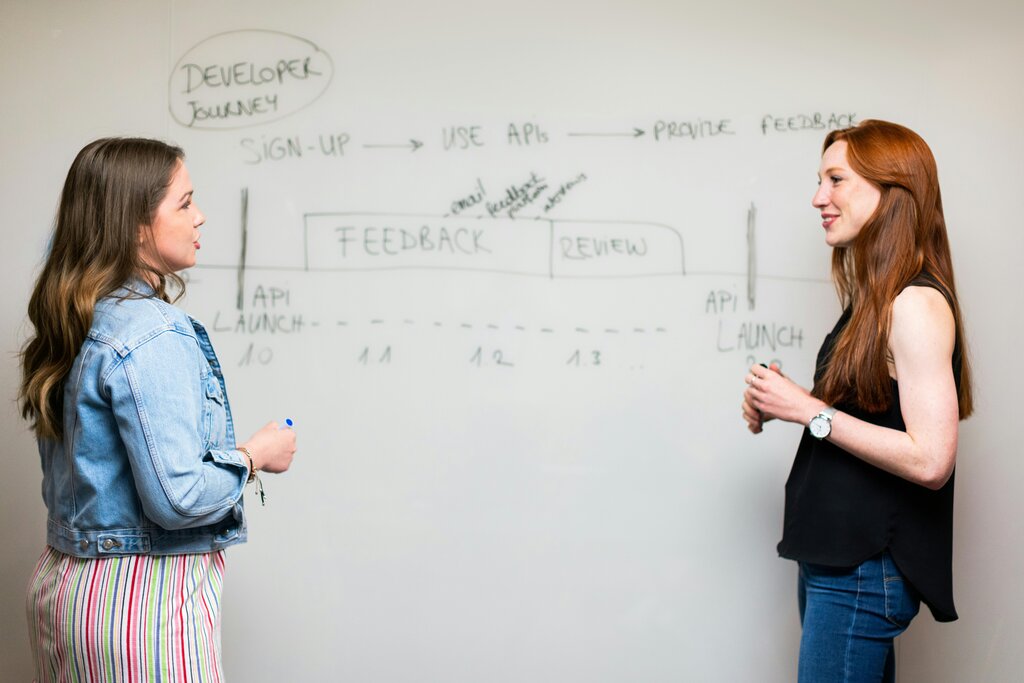
The Two Sides of an Application
Let's break down the two sides of the stack a bit more.
The frontend, also called client-side development, is all about the user experience. Its job is to make the website look good and feel intuitive. Developers use languages like HTML to structure content, CSS to style it, and JavaScript to make it interactive. Every time you click a button, fill out a form, or see an animation, you're interacting with the frontend.
The backend, or server-side development, is the engine of the application. It handles the logic, data, and authentication. When you log into a site, the backend verifies your username and password. When you buy something, it processes your payment and updates the store's inventory. This part of the application runs on a server, not in your browser.
The frontend is what you see. The backend is how it works.
A full-stack developer can build a feature from start to finish. They can design the user interface, write the code that makes it interactive, build the database to store its information, and create the server-side logic that connects everything together. This holistic view is incredibly powerful.
Full-stack development combines front-end (user interface) and back-end (server and database management) skills, offering developers the ability to handle all layers of a web application.
This versatility offers a few key benefits. Full-stack developers can switch between tasks easily, making them flexible members of a team. They can also spot potential problems more effectively because they understand how all the pieces fit together. This leads to more efficient development and better problem-solving.
Essential Tools of the Trade
Building a complete application requires more than just writing code. Developers need tools to manage their projects and collaborate with others. One of the most important tools is a version control system.
Version control is like a time machine for your code. It tracks every change you make, so you can revert to a previous version if something goes wrong.
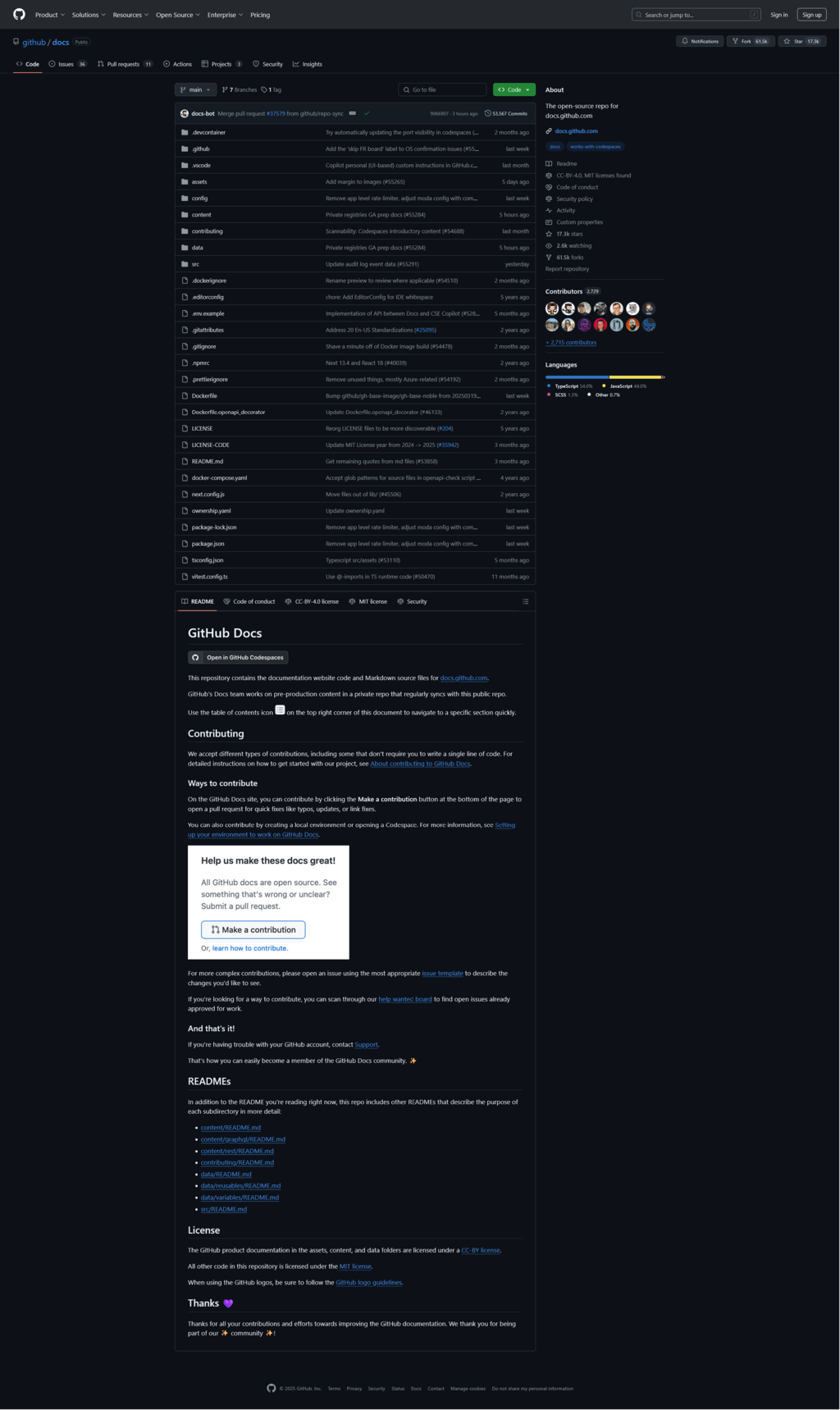
This system allows developers to experiment without fear of breaking their project permanently. It's also crucial for teamwork, as it lets multiple people work on the same codebase without overwriting each other's changes. The two most common tools for this are Git and GitHub.
Git
noun
A version control system that runs on your computer. It's the tool that tracks changes to files in a project.
GitHub
noun
A web-based platform that hosts Git repositories. It's where developers store their projects and collaborate with others.
Think of Git as the software that saves your work locally, and GitHub as the online service where you can upload those saves to share them with your team or the world. Together, they form the backbone of modern software development.
Now that you have an overview of what full-stack development involves, let's check your understanding.
In the restaurant analogy for web development, what does the 'kitchen' represent?
Which of the following tasks is a primary responsibility of the frontend?
Understanding these core concepts is the first step on the journey to becoming a full-stack developer. You now know what it means to work on both the frontend and backend, the benefits of this approach, and the essential tools for managing code.