Full-Cycle Web Development: Idea to Deployment
Project Planning
From Idea to Blueprint
Every great web project starts as an idea. But an idea alone isn't enough. To build something successful, you need a plan—a blueprint that turns your concept into a tangible, buildable product. This initial planning phase is arguably the most critical stage of the entire development lifecycle. It's where you define what you're building, for whom, and why, before a single line of code is written.
A successful web application starts long before coding begins.
The first step is to distill your grand vision into its most essential form. You can't build every feature at once. Instead, you need to identify the core functionality that solves a primary problem for your target users. This streamlined version of your product is called a (MVP). The goal of an MVP isn't to be a stripped-down, cheap version of your idea; it's to be the fastest way to start learning from real users. It should be viable, meaning it works and provides real value.
To define your MVP's scope, you must understand your users. What are their goals? What problems are they trying to solve by visiting your site or using your app? This is where user journey mapping comes in. It's the process of visualizing the path a person takes to achieve a goal with your product. You map out each step, from their initial trigger (like seeing an ad) to the final action (like making a purchase) and beyond.
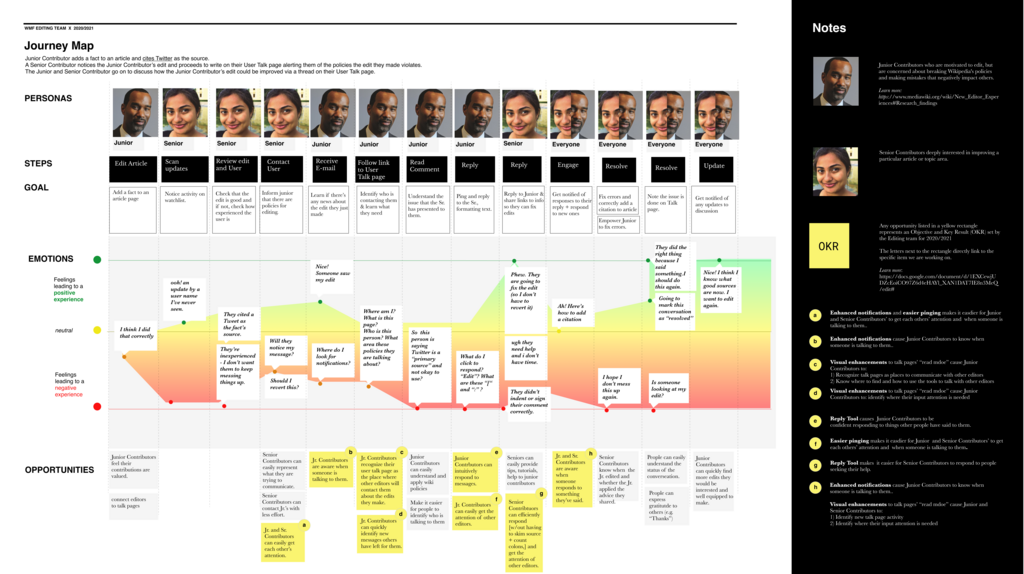
This process helps you see the product from the user's perspective, revealing pain points and opportunities you might have missed. Early storyboarding, often done with collaborative tools like Miro or FigJam, translates these journeys into a sequence of visual screens or interactions. It’s like creating a comic strip of the user's experience, which helps the entire team align on the flow before diving into detailed design.
Creating the Technical Plan
With a clear user-centric vision, you can now translate that vision into a technical plan. This starts with creating a functional specification document. This document leaves no room for ambiguity. It describes exactly how each feature should work. For example, it doesn't just say "user login." It details what happens when a user enters a correct password, a wrong password, or requests a password reset. These requirements are the rulebook for the developers.
Functional specifications define the 'what' and 'how' for every feature, ensuring developers and stakeholders are on the same page.
Next, you need to structure the content and features logically. This is the job of (IA). A good IA makes your site intuitive to navigate. The most common output of this process is a sitemap, which is a hierarchical diagram of all the pages and sections of your website. It shows how pages relate to each other and forms the backbone of your navigation system.
Finally, all of this planning culminates in a project timeline. Breaking the project down into phases with clear milestones and deadlines is essential for managing progress. This roadmap shows what needs to be done, in what order, and by when. It's a living document that helps keep the team aligned and provides visibility to stakeholders.
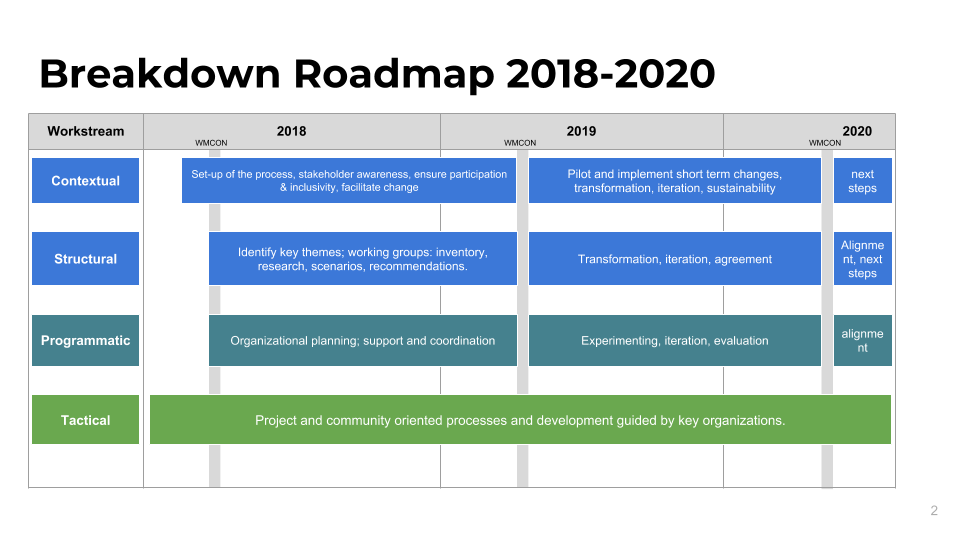
Now that you have a solid plan, let's test your understanding of these core concepts.
What is the primary purpose of a Minimum Viable Product (MVP)?
The process of logically structuring a website's content to make it intuitive is called ______, and its most common output is a sitemap.
This detailed planning phase ensures that when development starts, it does so with purpose and clarity, saving time, reducing risk, and dramatically increasing the chances of building a product that people will actually use and love.