Fukuoka's History and Neighborhoods
Ancient Fukuoka Origins
The Gates to Japan
Fukuoka's story begins with its geography. Nestled on the northern shore of Kyushu, Japan's southwesternmost main island, it sits closer to the Korean peninsula than to Tokyo. This strategic position made the area a natural gateway for people, goods, and ideas flowing from the Asian continent for thousands of years. The deep, sheltered bay provided a perfect harbor, which would come to be known as Hakata.
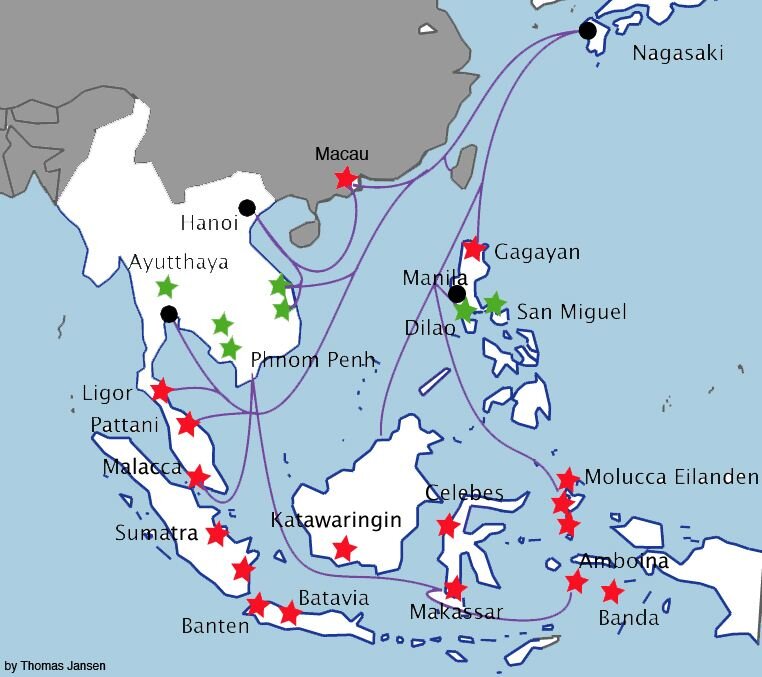
Long before Japan was a unified nation, this region was a crucial contact point. The port of Hakata became one of the country's most important trading hubs. Merchants and envoys from China and Korea arrived here, bringing with them not just silks and ceramics, but new technologies and philosophies that would profoundly shape Japanese society.
A Melting Pot of Cultures
The influence from the continent was transformative. Around the 3rd century BCE, new arrivals brought the knowledge of wet-rice cultivation. This agricultural revolution allowed for larger, more stable populations and the growth of permanent settlements. It marked a shift from the hunter-gatherer lifestyle of the earlier Jōmon period to the agrarian Yayoi period.
Along with farming techniques, metalworking in bronze and iron was also introduced. These materials created stronger tools and weapons, fundamentally altering agriculture, warfare, and daily life. Early Japanese states began to form in northern Kyushu, built upon the wealth and power generated by these new technologies and trade connections.
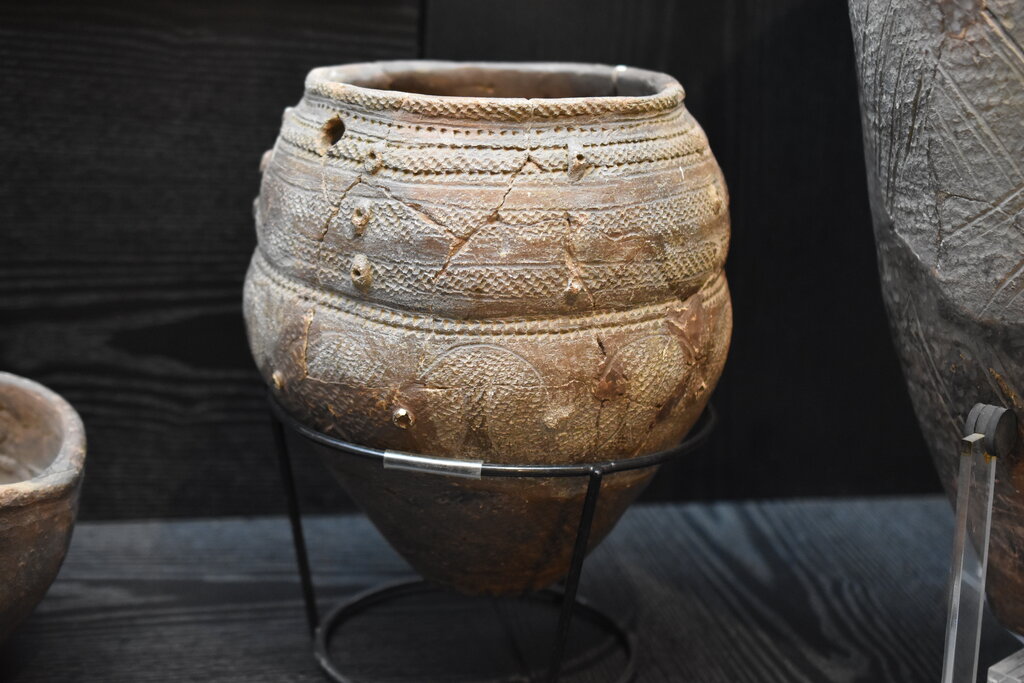
Ideas traveled alongside goods. Chinese writing systems, Confucian philosophy, and Buddhist teachings all entered Japan through this corridor. Early settlements in the Fukuoka area weren't just simple villages; they were cosmopolitan centers where different cultures met and mingled, laying the groundwork for a uniquely Japanese civilization.
Dazaifu, the Distant Capital
To manage this critical frontier, the imperial court in central Japan established a special administrative center just south of Hakata Bay in the late 7th century. This was the Dazaifu, or "Government General's Headquarters." For nearly 500 years, it functioned as the military and administrative heart of Kyushu, effectively serving as Japan's diplomatic and commercial window to Asia.
The Dazaifu was responsible for overseeing trade, managing diplomatic relations with China and Korea, and defending the coast. All foreign envoys and merchants had to pass through here, making it a place of immense strategic importance. The presence of this powerful government outpost fueled the growth of the entire region, cementing Fukuoka's role as a vital link between Japan and the outside world.
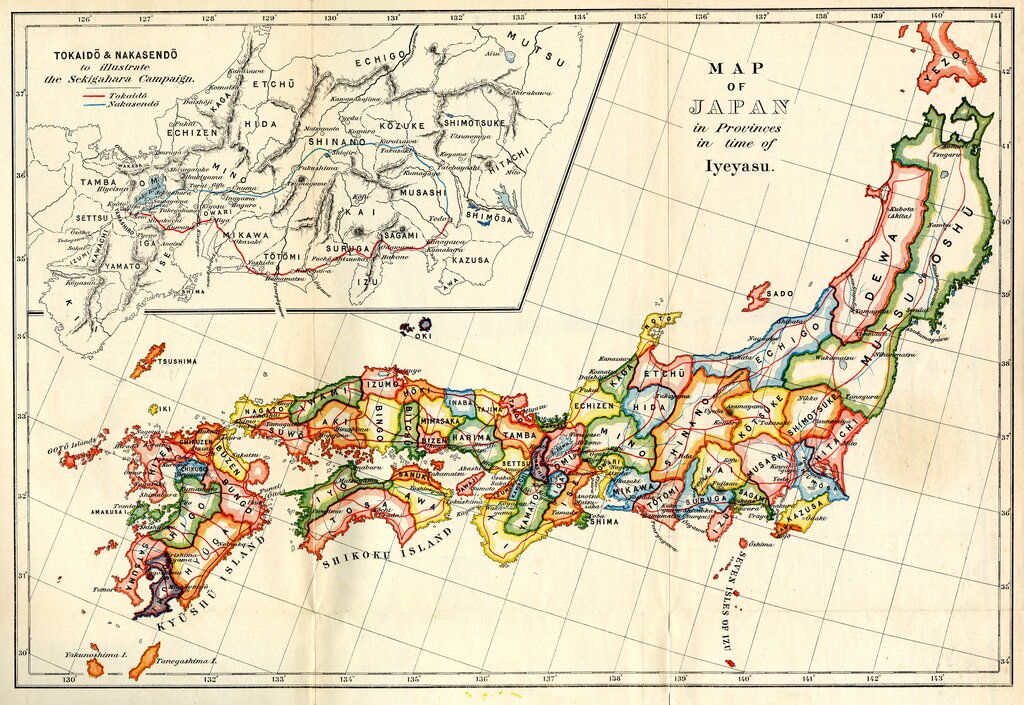
This powerful foundation as an international hub defined Fukuoka's character for centuries to come. Let's review the key points.
Why did the Fukuoka area become a major gateway for continental Asian influence in early Japanese history?
The introduction of ______ from the Asian continent around the 3rd century BCE led to a major shift from a hunter-gatherer lifestyle to a more settled, agrarian society in Japan.
These early interactions established a legacy of openness and exchange that continues to shape the city's identity.