Fujifilm GFX100 II vs Leica Q3 Camera Showdown
Camera Sensor Technology
The Heart of the Camera
At the core of every digital camera is a sensor. Think of it as the digital equivalent of film. When you press the shutter button, the sensor is exposed to light coming through the lens, and it records the information to create an image. This small electronic chip is what turns light into a digital file.
Most modern cameras use a CMOS (Complementary Metal-Oxide-Semiconductor) sensor. They are fast, energy-efficient, and produce fantastic images. An older technology, called CCD (Charge-Coupled Device), was once the standard for high quality, but CMOS technology has largely surpassed it in performance for most photographic uses.
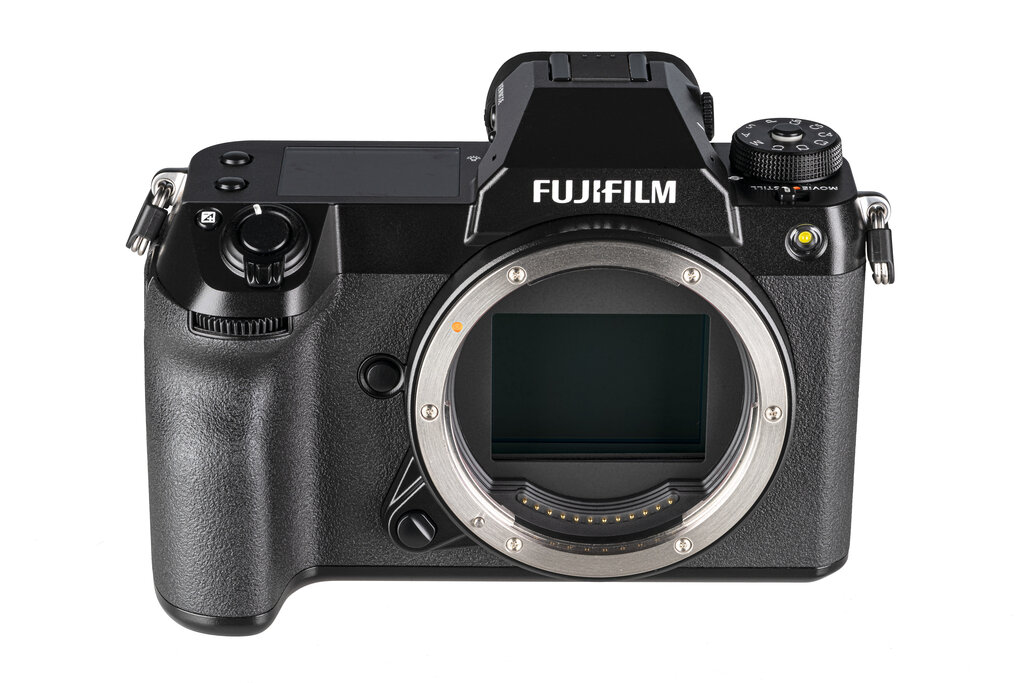
Size Matters
The single most important factor of a sensor isn't its megapixel count, but its physical size. Imagine trying to catch rain in a bucket. A wider bucket will collect more rainwater in the same amount of time than a narrow one. A camera sensor works the same way with light. A larger sensor can gather more light, which has a huge impact on the final image.
Camera sensors come in several standard sizes. The most common reference point is "full-frame," which is the same size as a classic 35mm film negative. Smaller sensors, like APS-C and Micro Four Thirds, are found in many consumer and enthusiast cameras. Larger sensors, like medium format, are typically used in high-end professional photography for maximum image quality.
What a Bigger Sensor Gets You
So, why pay more for a camera with a bigger sensor? It comes down to three key advantages: better low-light performance, greater dynamic range, and higher potential resolution.
A larger sensor gathers more light, resulting in cleaner, more detailed images, especially in difficult lighting conditions.
Low-Light Performance Remember the bucket analogy? Because a larger sensor gathers more light, it doesn't have to work as hard in dim environments. This means you can use a higher ISO setting (the measure of the sensor's sensitivity to light) before your photos start to look grainy or noisy. The result is clearer, sharper images in places like candlelit restaurants or at dusk.
Dynamic Range Dynamic range is the camera's ability to capture detail in both the brightest highlights and the darkest shadows of a single scene. A sensor with a wide dynamic range can see the bright clouds in the sky and the dark details in a forest below without losing information in either. Larger sensors, with their superior light-gathering ability, generally excel at this, producing richer images that feel more true to life.
Resolution
noun
The amount of detail an image holds, often measured in megapixels. Higher resolution means more detail can be captured.
Resolution and Detail Resolution is measured in megapixels. While a high megapixel count sounds impressive, it's only part of the story. A 24-megapixel photo from a full-frame camera will generally look better than a 24-megapixel photo from a tiny smartphone sensor. Why? Because the individual light-capturing sites (pixels) on the full-frame sensor are much larger. They can collect more light and color information, leading to more accurate tones and less noise.
Full-frame and especially medium format sensors provide the best combination of these qualities. They offer a benchmark for professional image quality, delivering the clean, detailed, and flexible files needed for large prints and heavy editing.
What is the primary function of a sensor in a digital camera?
According to the 'bucket of rain' analogy, a larger camera sensor is better because it can do what?
Understanding how a sensor works is the first step toward mastering your camera and taking better photos.