Fuji TX30 II Photography Adventures in Chile
Photography Basics
Controlling Light
At its heart, photography is all about capturing light. The settings on your camera are simply tools to control how much light reaches the sensor. The three most important settings work together in a relationship called the exposure triangle: aperture, shutter speed, and ISO. Master these three, and you'll have control over almost every photo you take.
Think of it like filling a bucket with water. You can use a wide hose (aperture), leave the tap on for a long time (shutter speed), or increase the water pressure (ISO). All three can help you fill the bucket, and you can mix and match them to get the same result.
Aperture
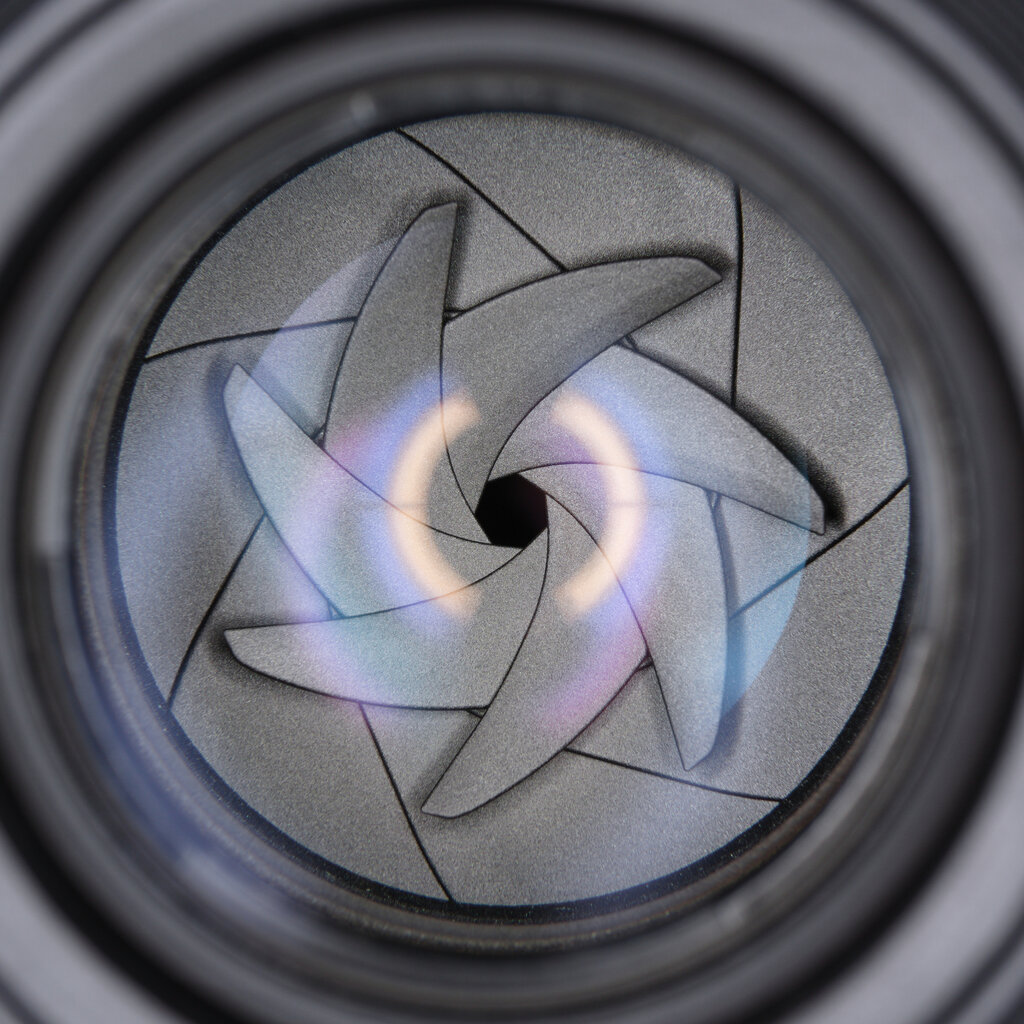
Aperture is the opening in your lens that light passes through. Think of it like the pupil of your eye. In bright light, your pupil gets smaller to let less light in. In the dark, it opens wide to gather as much light as possible.
Aperture is measured in f-stops, which can seem a little backward at first. A small f-stop number, like , means a large opening, letting in lots of light. A large f-stop number, like , means a small opening, letting in very little light.
But aperture does more than just control brightness. It also controls the depth of field—how much of your image is in sharp focus. A large opening () creates a shallow depth of field, where your subject is sharp but the background is blurry. This is great for portraits. A small opening () creates a deep depth of field, keeping everything from the foreground to the background sharp. This is ideal for landscapes.
Shutter Speed
Shutter speed is the amount of time the camera's sensor is exposed to light. It’s measured in seconds or, more often, fractions of a second (like 1/1000s).
A fast shutter speed, like 1/2000s, freezes motion. It’s perfect for capturing a bird in flight or a fast-moving car without any blur.
A slow shutter speed, like 1/30s or even several seconds, creates motion blur. This can be used creatively to show the movement of a waterfall, or to capture light trails from cars at night. Be careful, though. A slow shutter speed will also capture the shake from your hands, so you'll need a tripod to keep the stationary parts of your image sharp.
ISO
ISO measures your camera sensor's sensitivity to light. In bright daylight, you can use a low ISO, like 100 or 200, because there's plenty of light available.
When the light is low, like indoors or after sunset, you can increase the ISO to make the sensor more sensitive. An ISO of 1600 or 3200 can help you get a photo in near darkness without using a flash.
There's a trade-off, however. Increasing the ISO adds digital "noise," or grain, to your image, which can make it look less sharp and clear. The goal is always to keep your ISO as low as the lighting conditions will allow for the cleanest possible image.
These three settings are in constant balance. If you change one, you must adjust at least one of the others to maintain the same exposure. For example, if you make the aperture smaller (e.g., from to ) to get more in focus, you've cut down the light. To compensate, you could either use a slower shutter speed or increase the ISO.
Composing Your Shot
A perfectly exposed photo can still feel flat if it's not composed well. Composition is simply the art of arranging the elements in your frame to create a pleasing and impactful image. A few simple guidelines can make a huge difference.
Focus on composition: Good composition matters more than expensive equipment
Rule of Thirds Imagine your frame is divided into a 3x3 grid, like a tic-tac-toe board. The rule of thirds suggests placing important elements, like the horizon or your subject, along these lines or at the points where they intersect. This often creates a more balanced and dynamic photo than simply centering the subject.
Leading Lines Use natural lines in your scene to guide the viewer's eye toward your subject. A road, a fence, a river, or even a line of rocks can act as a pathway that draws attention through the image. It adds a sense of depth and direction.
Framing Look for elements in the foreground that can create a natural frame around your subject. Shooting through a doorway, an archway, or under the branches of a tree can add context and depth to your photo, making it more interesting than a simple, open shot.
Now, let's check your understanding of these core concepts.
You're taking a portrait and want to create a blurry background to make your subject stand out. Which of these aperture settings would be most effective?
To capture a fast-moving bird in flight without any motion blur, you should use a very slow shutter speed.
These principles of exposure and composition are the foundation of photography. Practice them, and you'll be ready to capture stunning images of your travels.