FTC Sports Betting Regulation
FTC Regulatory Framework
The FTC's Regulatory Playbook
While states now individually regulate sports betting, the Federal Trade Commission (FTC) provides a crucial layer of federal oversight. Its authority comes from a powerful, broadly written law: Section 5 of the FTC Act. This act prohibits "unfair or deceptive acts or practices in or affecting commerce." This standard, often called UDAP, is the FTC's primary tool for policing the sports betting market, ensuring that companies operate fairly and honestly, regardless of state-specific rules.
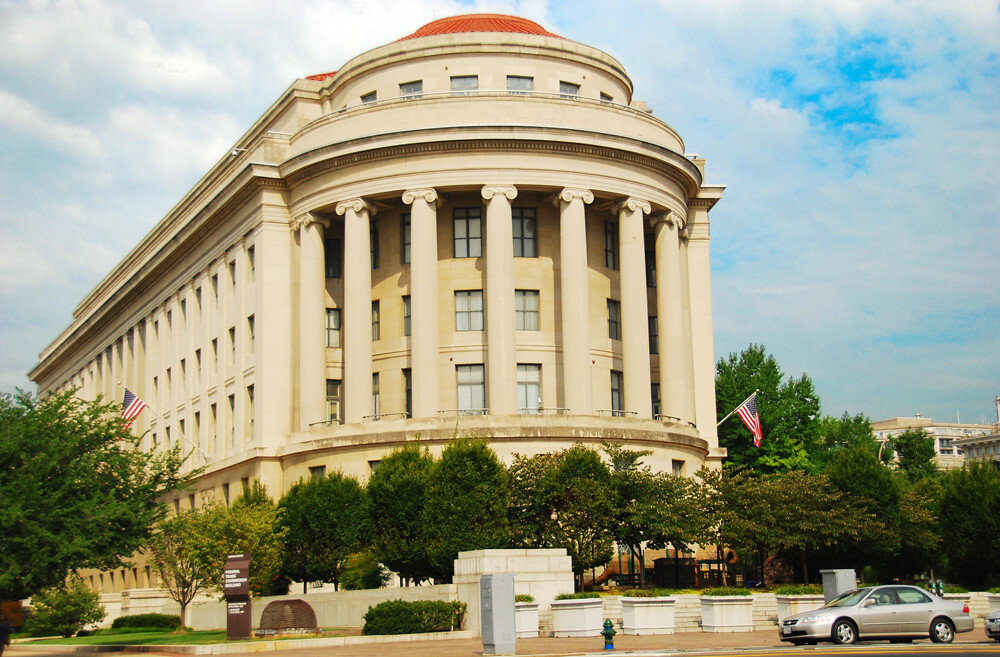
The UDAP standard gives the FTC jurisdiction over a wide range of business behaviors. Instead of creating a detailed list of forbidden activities, Section 5 establishes a flexible principle. This allows the agency to adapt to new technologies and marketing strategies, which is especially important in the rapidly evolving digital sports betting landscape. The FTC's role isn't to decide whether sports betting should be legal—that's a state decision. Its job is to ensure that the companies offering these services don't mislead or harm consumers.
Unfairness and Deception
The UDAP standard has two distinct prongs: unfairness and deception. They address different kinds of consumer harm.
An act or practice is considered unfair if it causes or is likely to cause substantial consumer injury that consumers cannot reasonably avoid, and this injury is not outweighed by benefits to consumers or competition. In sports betting, this could include designing an app's interface to make it extremely difficult to withdraw winnings, or using algorithms to profile and exploit users with signs of problem gambling. The harm must be significant, not trivial.
The deception prong is more straightforward. It targets or omissions that are likely to mislead a consumer acting reasonably under the circumstances. This is the FTC's most common tool for policing advertising. A betting platform advertising a "risk-free bet" that has complex and hidden requirements would be a classic example of deception. The key is whether the claim affects a consumer's decision to use the service or place a bet.
Under the FTC Act, an advertisement is deceptive if it contains an important misrepresentation or omission that is likely to mislead a reasonable consumer.
Investigations and Enforcement
To identify unfair or deceptive practices, the FTC doesn't just wait for consumer complaints. Section 6(b) of the FTC Act grants the agency broad investigative authority to conduct wide-ranging studies of entire industries. The FTC can compel companies to submit reports and answer specific questions under oath. This power allows the commission to proactively research marketing trends, data collection practices, and the use of algorithms in the sports betting industry, identifying potential harms before they become widespread.
When the FTC finds a violation, it has several enforcement tools. The most common is a , which legally requires a company to stop its illegal practices. These are often settled through a consent order, where the company agrees to stop the conduct without admitting guilt.
If a company violates a cease-and-desist order or engages in practices it knows have been ruled unlawful, the FTC can seek civil penalties in federal court. These fines can be substantial, running into millions of dollars, creating a powerful deterrent against deceptive advertising and unfair business practices.
The Supreme Court's 2018 Murphy v. NCAA decision, which invalidated the federal ban on state-authorized sports betting, created today's state-by-state market. However, it did not erase the FTC's authority. The agency's role has simply evolved. It now acts as a federal backstop, providing a baseline of consumer protection that applies nationwide. This is especially critical in states that may have weaker regulatory oversight, ensuring that all consumers are protected from the worst forms of unfairness and deception.