FTC Authority in Sports Betting Regulation
FTC's Regulatory Authority
The FTC’s Foundation
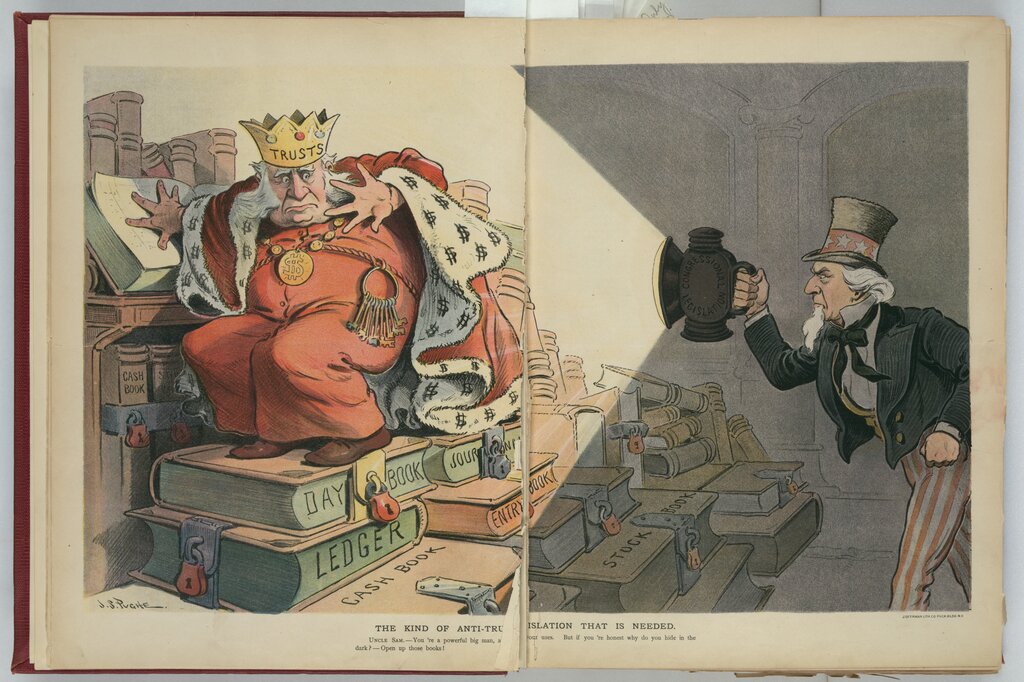
In the early 20th century, the U.S. economy was dominated by massive industrial trusts. These giants could crush smaller competitors and dictate prices, leaving consumers with few choices and little recourse. Public outcry led to a wave of reform, and in 1914, Congress passed the Federal Trade Commission Act. This landmark legislation created a new agency, the Federal Trade Commission (FTC), armed with a broad mandate to ensure fairness in the marketplace.
The core of the FTC's authority comes from Section 5 of the Act. It gives the agency two primary, parallel missions:
- Preventing unfair methods of competition. This is the FTC's antitrust role. It targets business practices that harm competition, such as monopolistic behavior or illegal mergers that could lead to higher prices and lower quality goods.
- Preventing unfair or deceptive acts or practices. This is the FTC's consumer protection role. It aims to stop businesses from misleading or cheating consumers through false advertising, scams, or other fraudulent activities.
These two missions are often intertwined. A practice that deceives consumers can also give a company an unfair edge over its honest competitors.
The FTC's jurisdiction is vast, covering nearly every sector of the U.S. economy. The key phrase in the law is that the agency can act whenever these unfair practices occur in or are "affecting commerce." This broad language gives the FTC the power to regulate everything from a local car dealership to a multinational tech company. However, its authority does have specific carve-outs. Certain industries, such as banks, insurance companies, and common carriers like airlines, are primarily regulated by other federal agencies.
How the FTC Enforces the Law
Having a mandate is one thing; enforcing it is another. The FTC has a range of tools to investigate and stop illegal business practices.
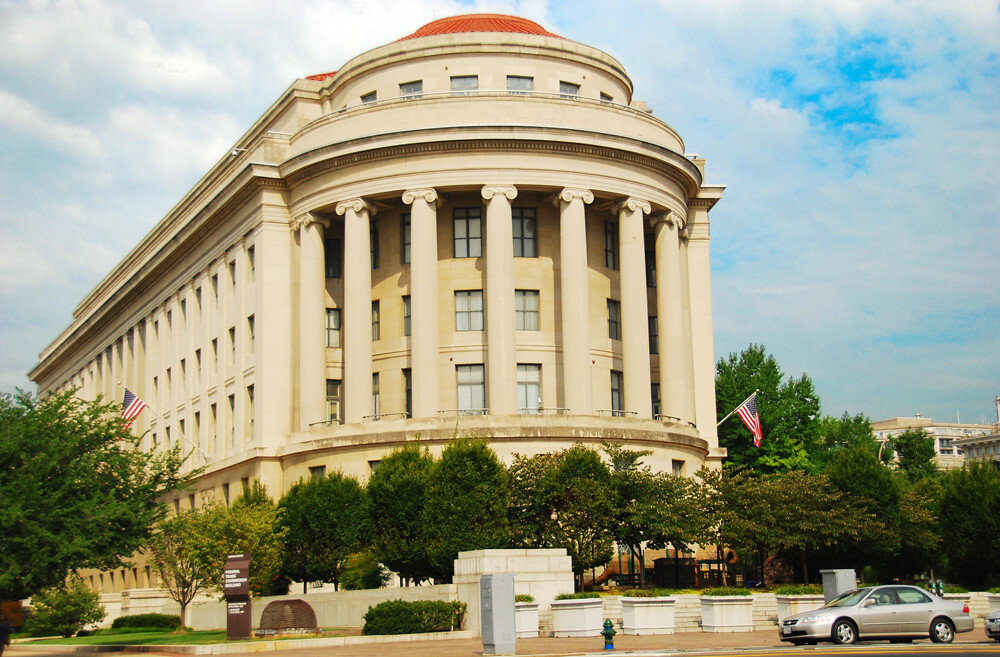
Investigations are the first step. They can be triggered by consumer complaints, news reports, or referrals from other law enforcement agencies. If an investigation finds evidence of wrongdoing, the FTC can take several paths.
One powerful tool is administrative action. The FTC can issue a formal complaint against a company, which is then heard by an independent Administrative Law Judge within the agency. If the judge rules against the company, the FTC can issue a legally binding cease-and-desist order to stop the illegal practice.
Alternatively, the FTC can file a lawsuit in federal court. This is often done in cases where the agency wants to get an immediate injunction to halt a harmful practice or to secure monetary compensation for consumers who were ripped off. This direct court action is a crucial tool for providing relief to victims of fraud.
Finally, the FTC has rulemaking authority. It can create specific rules that define what counts as an unfair or deceptive practice in a particular industry. These rules have the full force of law, and violating them can lead to significant civil penalties.
Protecting Consumers and Markets
At its heart, the FTC's job is to make sure markets work for consumers. Its consumer protection work is what most people are familiar with. The agency tackles a wide array of issues, including:
- Deceptive Advertising: Pursuing companies that make false or unsubstantiated claims about their products, from miracle weight-loss pills to fake performance stats.
- Fraud and Scams: Combating telemarketing fraud, internet scams, and identity theft.
- Data Security and Privacy: Ensuring companies take reasonable steps to protect consumers' personal information and are transparent about how they collect and use data.
On the competition side, the FTC acts as a market referee. It reviews proposed mergers and acquisitions to prevent any single company from gaining an illegal monopoly. For example, if the two largest office supply companies wanted to merge, the FTC would analyze whether the deal would lead to higher prices for businesses and consumers. If it determined the merger would substantially lessen competition, it would act to block it.
By policing both anti-competitive behavior and consumer-facing deception, the FTC works to maintain a level playing field where businesses compete fairly and consumers can make informed choices.
What was the primary reason for the creation of the Federal Trade Commission (FTC) in 1914?
According to Section 5 of the Federal Trade Commission Act, what are the two primary missions of the FTC?
This foundational authority gives the FTC the flexibility to address new challenges in the marketplace as they arise.