FSBO Raw Land Investment
Understanding Raw Land
The Blank Slate
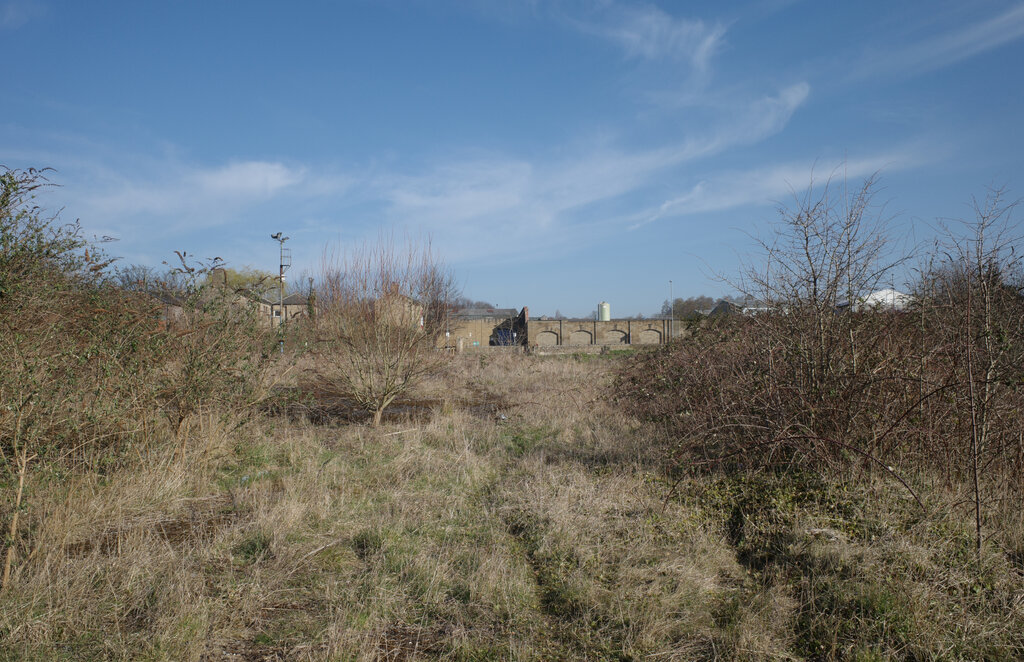
At its core, raw land is property in its most natural state. It's land that hasn't been developed, meaning it typically lacks buildings, roads, and utilities like water, sewer, or electricity. Think of it as a blank canvas before an artist starts painting.
raw land
noun
Undeveloped property without utilities, buildings, or significant improvements.
This lack of infrastructure is what defines it. While some raw land might have a dirt path or a fence, it's largely untouched by major construction. It's the starting point for nearly every kind of development, from a single family home to a sprawling farm.
Types of Raw Land
Raw land isn't a one-size-fits-all category. It's often classified by its potential use, which is heavily influenced by its location, geography, and local regulations. The three main types you'll encounter are agricultural, recreational, and residential.
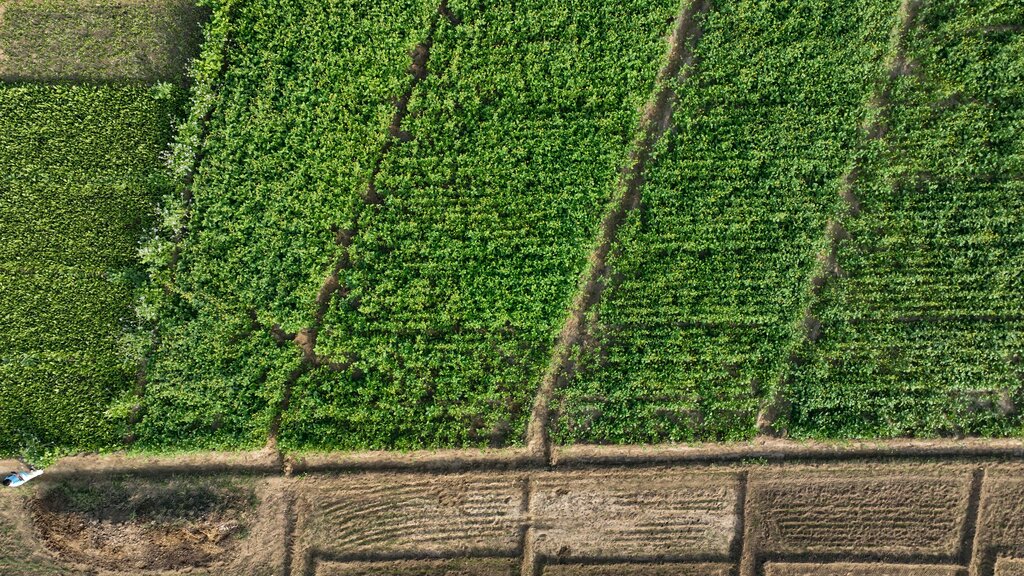
Agricultural land is all about production. It’s used for farming, ranching, and growing crops. Its value lies in the soil quality, access to water, and climate.
Recreational land is for enjoyment. People buy it for hunting, fishing, camping, or simply to preserve a piece of nature. These parcels are often valued for their scenery, wildlife, and privacy.
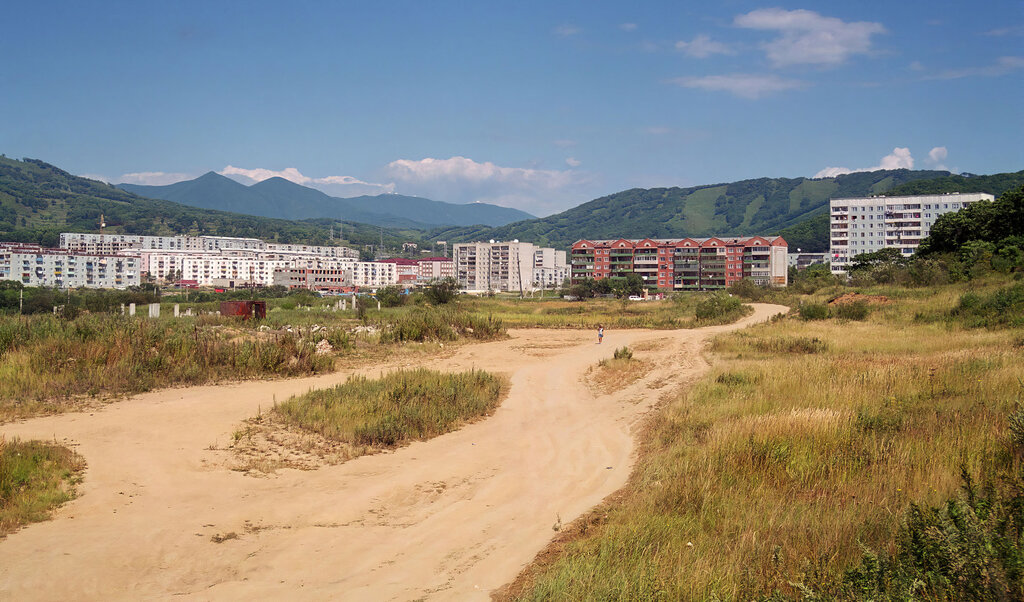
Residential land is earmarked for housing. It can range from a small plot for a single home in a subdivision to a large tract for an entire neighborhood. Its proximity to cities, schools, and amenities is a key factor in its desirability.
Potential and Pitfalls
Investing in raw land comes with a unique set of pros and cons. On one hand, it offers complete creative freedom. You can build your dream home, start a farm, or create a private retreat from scratch. It's a tangible asset that can appreciate in value, especially if it's in an area poised for growth.
The greatest benefit of raw land is the potential to shape it exactly to your vision.
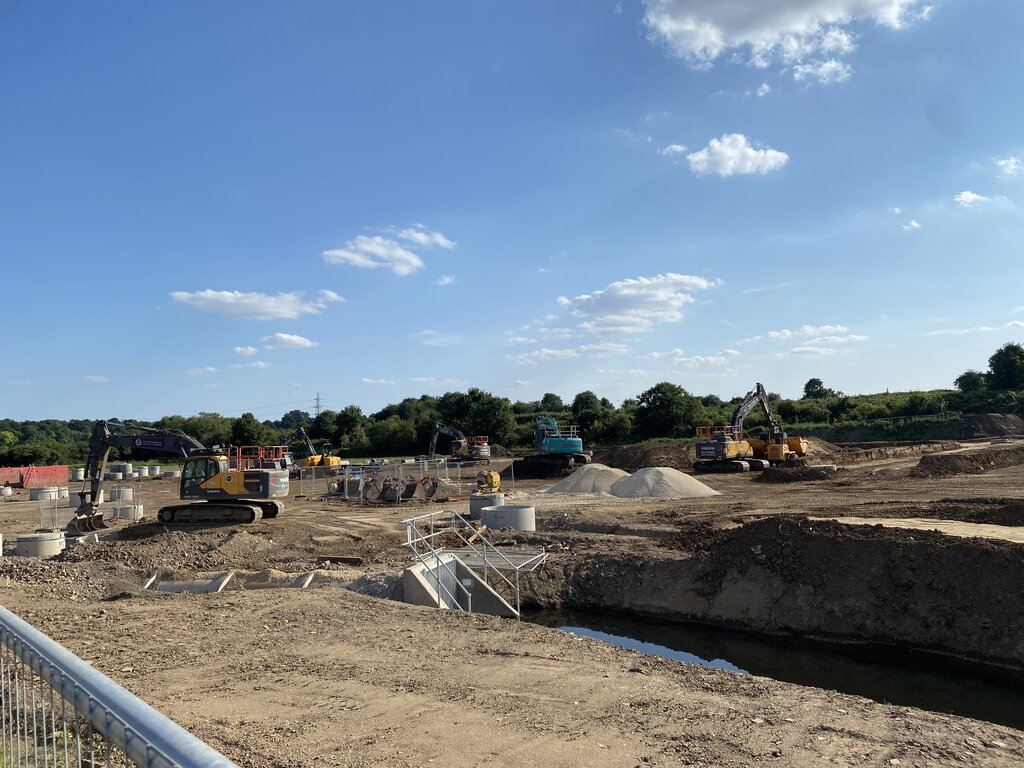
However, that blank canvas also presents challenges. Developing raw land is a significant undertaking. One of the first hurdles is understanding zoning laws, which are local government rules that dictate how land can be used. A beautiful plot of land is useless for your dream home if it's zoned exclusively for agriculture.
Another major consideration is access to utilities. Bringing in water, electricity, and sewer lines can be complex and expensive, sometimes costing tens of thousands of dollars. You also need to ensure there is legal and physical access to the property, meaning a road or right-of-way.
| Benefits | Challenges |
|---|---|
| Full creative control | Complex zoning regulations |
| Potential for high appreciation | High cost of adding utilities |
| Tangible, lasting asset | Requires significant development work |
| Often more affordable upfront | Can be difficult to get a loan for |
Before buying, it's crucial to do thorough research, often called due diligence. This means investigating zoning restrictions, the cost of utility hookups, property boundaries, and any environmental regulations that might affect your plans. This homework helps turn a potential pitfall into a calculated step in your journey.
Ready to test your knowledge?
What is the most accurate definition of raw land?
If a person purchases a remote, scenic plot to enjoy hiking and wildlife observation, they have most likely acquired which type of raw land?
Understanding raw land is the first step in a much larger process. It's an asset class filled with both opportunity and complexity, rewarding those who plan carefully and see the potential in an empty field.