Frontiers in Aging Delay and Reversal
Cellular Senescence
The Cell That Wouldn't Die
Most cells in our body have a built-in expiration date. They divide a certain number of times and then gracefully exit through a process called apoptosis, or programmed cell death. But some cells take a different path. They stop dividing but refuse to die, entering a zombie-like state known as cellular senescence.
A senescent cell is permanently arrested. It can no longer replicate its DNA or split into daughter cells. Think of it as a cell that has retired from its normal duties. Instead of quietly disappearing, it sticks around, changing its shape and, most importantly, its behavior. This shift has profound consequences for the aging process.
Triggers for Retirement
What pushes a cell into this state? Several factors can trigger senescence, most of which are related to cellular stress and damage. It's the body's way of preventing a potentially compromised cell from replicating and causing more harm, like cancer.
One of the primary triggers is telomere shortening. Telomeres are protective caps at the ends of our chromosomes, often compared to the plastic tips on shoelaces that prevent them from fraying.
In the 1980s, researchers advanced the idea that this might play out through the erosion of protective telomeres—a sort of aglet at the end of chromosomes—which shorten when cells divide.
Every time a cell divides, its telomeres get a little shorter. After about 40 to 60 divisions—a threshold known as the Hayflick limit—the telomeres become critically short. This signals the cell that it's at risk of losing important genetic information, prompting it to enter senescence as a safety measure.
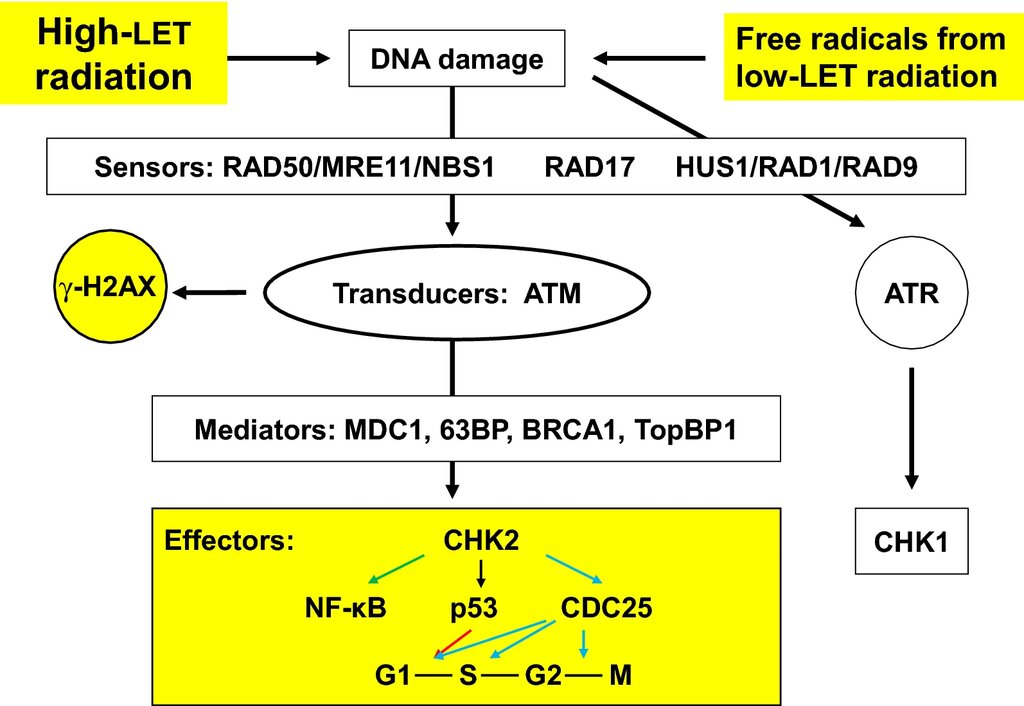
Another major trigger is significant DNA damage. Our DNA is constantly under assault from internal and external sources, such as errors during replication, exposure to UV radiation, and oxidative stress. Oxidative stress is caused by an imbalance of free radicals, which are unstable molecules that can damage cellular components.
When a cell's DNA is damaged, a complex network of proteins springs into action to pause the cell cycle and attempt repairs. If the damage is too severe to be fixed, the cell will often be pushed into senescence to prevent it from passing on flawed genetic code.
The Dark Side of Senescence
While senescence is a useful anti-cancer mechanism in the short term, the accumulation of these
Once a cell becomes senescent, it doesn't just sit there quietly. It begins to actively secrete a cocktail of inflammatory molecules, including cytokines, chemokines, and growth factors. This mixture is known as the Senescence-Associated Secretory Phenotype, or SASP.
SASP
noun
The Senescence-Associated Secretory Phenotype. A collection of inflammatory and other signaling molecules secreted by senescent cells that can affect neighboring cells and tissues.
The SASP is where the trouble begins. These secreted factors create a chronic, low-grade inflammatory environment in the surrounding tissue—a state sometimes called "inflammaging." This persistent inflammation can disrupt normal tissue function and contribute to many age-related conditions, from arthritis and osteoporosis to cardiovascular disease.
Worse, the SASP can act as a bad influence on neighboring healthy cells, potentially pushing them into senescence as well. This creates a domino effect, causing senescent cells to accumulate in tissues as we age, degrading their function and resilience.
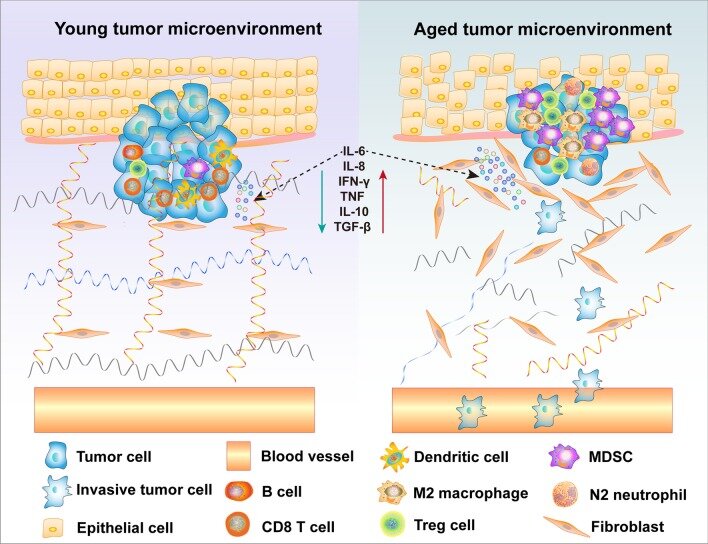
Understanding this two-sided nature of senescence—a protective measure that becomes harmful over time—is key to understanding the biology of aging. Researchers are now exploring ways to selectively clear senescent cells from the body, a strategy that shows promise for treating age-related diseases and potentially extending healthspan.
What is cellular senescence?
The 'Hayflick limit' refers to: