From Storm Gods to the Divine Father
Canaanite Pantheon Context
The Divine Council of Canaan
Before the rise of exclusive monotheism, the ancient Levant was a vibrant landscape of different cultures and beliefs. The early Israelites were, for a considerable time, culturally and religiously indistinguishable from their Canaanite neighbours. They shared a common language family, similar material culture, and a worldview populated by a council of gods.
Our most detailed window into this world comes from the , a collection of clay tablets discovered in the 1920s at the ancient city of Ugarit, on the coast of modern-day Syria. These documents, written in a unique alphabetic cuneiform script, provide a firsthand look at the myths, rituals, and beliefs that shaped the region.
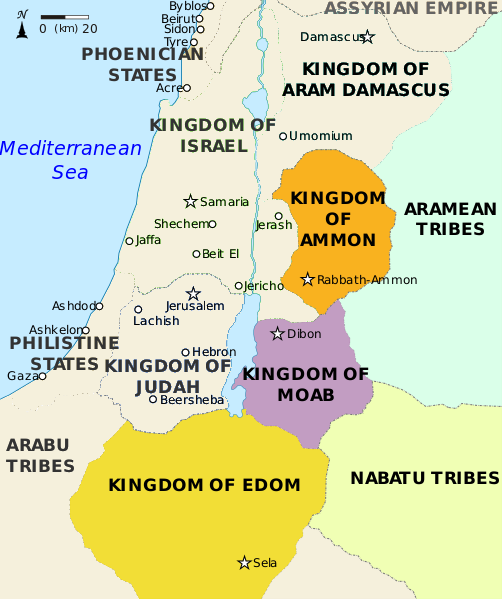
At the head of the Canaanite pantheon sat El, the supreme creator god. He was depicted as a wise, ancient patriarch, the “father of the gods” who presided over the divine assembly. His consort was Asherah, a mother goddess associated with fertility and wisdom. While El was the ultimate authority, he was often a remote and distant figure in the mythological stories.
The more active and dynamic figure in the pantheon was often Baal, the god of storms, rain, and fertility. As a rider of the clouds who wielded lightning as his weapon, Baal's power was essential for agriculture and survival in the arid climate of the Levant. His battles with other deities, like Yam (the sea) and Mot (death), formed the central drama of Canaanite mythology.
A God from the South
So where does Yahweh fit into this picture? The evidence suggests he wasn't originally part of the northern Canaanite pantheon at all. The prevailing theory among many scholars is the , which proposes that Yahweh was a deity who originated in the lands south of Canaan: the regions of Midian, Edom, and the Sinai peninsula. According to this view, a group of people from this southern region introduced the worship of Yahweh to the early Israelites.
This hypothesis is supported by extra-biblical evidence. Egyptian inscriptions from the 14th and 13th centuries BCE refer to a group of nomads as the “Shasu of Yhw(h),” placing a Yahweh-worshipping people in the southern desert regions. This is some of the earliest non-biblical evidence for the name Yahweh, and it locates his cult exactly where the Kenite-Midianite hypothesis would predict.
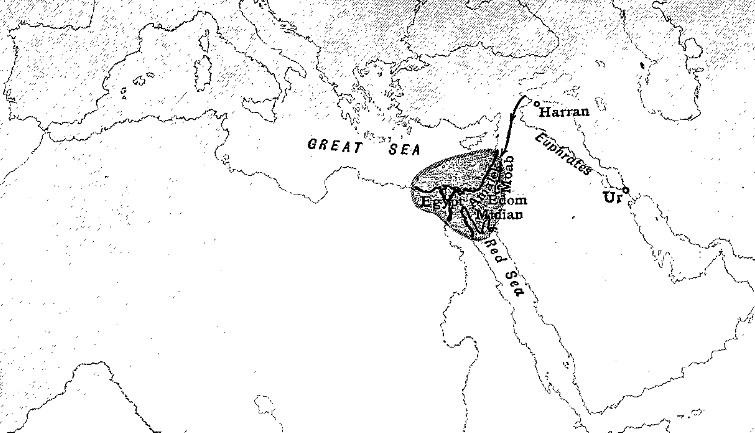
Yahweh's characteristics reflect these southern origins. He is consistently portrayed as a divine warrior and a storm deity, coming from the mountains of Sinai or Edom with immense power. In this role, he was functionally very similar to the Canaanite god Baal. This similarity would eventually lead to centuries of rivalry and synthesis between the two deities and their followers.
One God Among Many
For the early Israelites, Yahweh did not arrive on the scene as the one and only God. He entered the Levantine world as one god among many, taking a place within the existing structure of the divine council, which was headed by El. Archaeological finds, such as inscriptions from a site called Kuntillet 'Ajrud, even mention “Yahweh and his Asherah,” suggesting that Yahweh was worshipped alongside El's traditional consort for a time.
The journey from polytheism, to worshipping Yahweh as the primary national god (monolatry), and finally to the belief that he is the only God that exists (monotheism), was a long and complex process that unfolded over many centuries.
Let's check your understanding of this complex history.
What is the primary source of information mentioned that details the myths and rituals of the ancient Canaanite religion?
According to the prevailing 'Kenite-Midianite Hypothesis', where did the worship of Yahweh originate before being introduced to the early Israelites?
This complex religious backdrop set the stage for a radical new idea in human history: the belief in a single, universal God. But as we've seen, that idea did not emerge in a vacuum.