From Sim to Track
Simulator Racing Basics
The World of Sim Racing
Simulator racing, or sim racing, is more than just a video game. It's a detailed re-creation of motorsport that you can experience from home. The goal is to mimic the physics, vehicle dynamics, and split-second decisions of a real race car driver. For many, it's a serious hobby; for professional drivers, it's an essential training tool.
Setups range from a simple steering wheel clamped to a desk to full-motion rigs that cost tens of thousands of dollars. But no matter the budget, the core experience is the same: learning to control a virtual car at its absolute limit.
Choosing Your Simulator
Not all racing games are simulators. They exist on a spectrum from pure fun to pure realism.
Arcade racers are designed for accessibility. Physics are forgiving, crashes are spectacular, and the focus is on action. Think of games where you can drift around a corner at 200 mph and bounce off a wall without a scratch.
Sim-cades blend realism with accessibility. Games like the Forza Motorsport or Gran Turismo series fall into this category. The cars handle more realistically than in arcade racers, but there are still assists to help new drivers. They are a fantastic entry point.
Full simulators are the heart of sim racing. These titles prioritize accuracy above all else. They feature laser-scanned tracks for perfect accuracy, complex tire models, and physics engines that simulate every aspect of a car's behavior. Titles like iRacing, Assetto Corsa Competizione, and rFactor 2 are popular choices for serious enthusiasts.
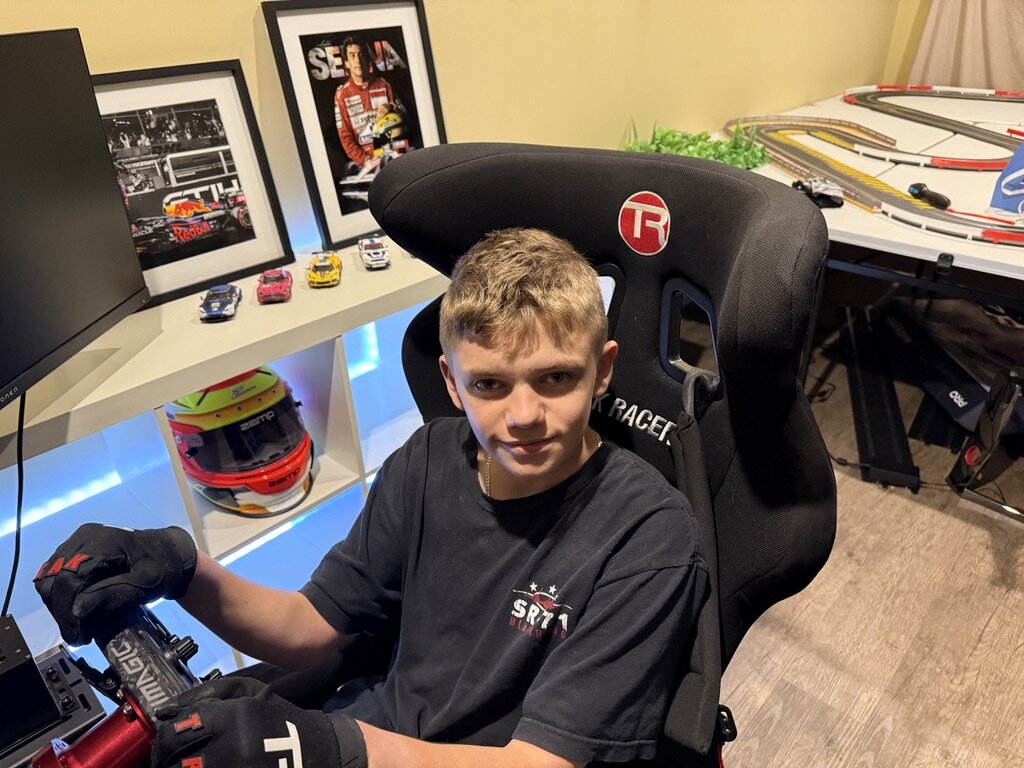
The key difference in a full simulator is how it communicates what the car is doing. You learn to feel the grip of the tires, the transfer of weight during braking, and the subtle feedback that tells you when you're about to lose control. It’s a steep learning curve, but mastering it is incredibly rewarding.
Essential Hardware
To get started in sim racing, you need a few key pieces of hardware. While a standard game controller can work for sim-cades, a wheel and pedals are essential for the full simulator experience.
The foundation of any setup is the wheel and pedals. This is your primary connection to the virtual car.
Wheels come in three main types, based on how they generate force feedback—the resistance and vibration you feel through the wheel.
- Gear-driven: The most basic option. They use gears to connect the motor to the wheel. They're affordable but can feel a bit notchy or loud.
- Belt-driven: A step up. They use a belt system for smoother, more detailed feedback. This is a popular mid-range choice.
- Direct-drive: The top tier. The steering wheel bolts directly to the motor shaft, offering the most powerful, detailed, and responsive feedback available. Once reserved for professionals, direct-drive wheels are becoming more accessible.
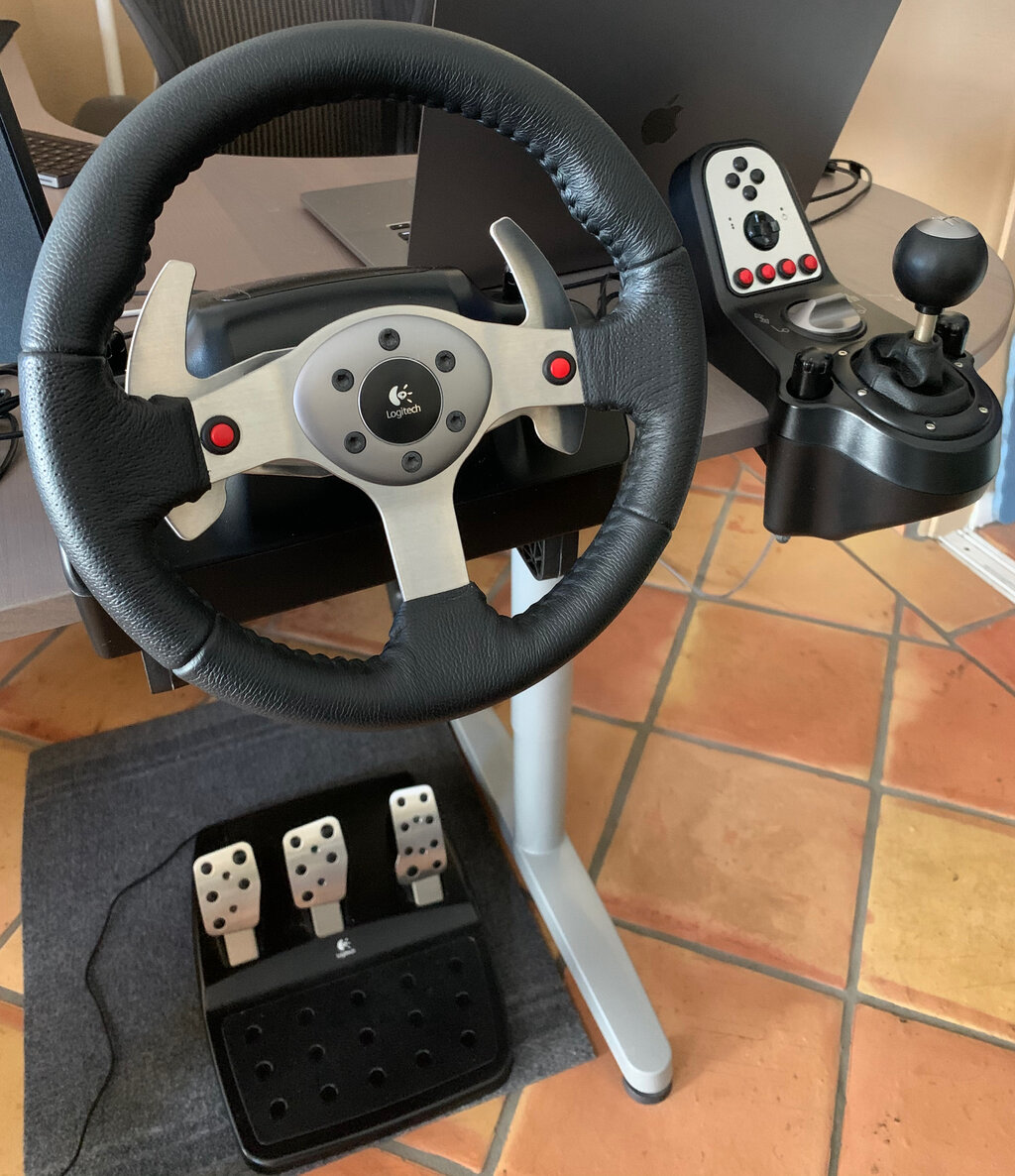
Pedals are just as important. Basic sets come with an accelerator and brake. More advanced sets include a clutch and use load cell technology for the brake. A load cell measures pressure, not distance, which more closely mimics how a real car's brakes work. This allows for much more precise and consistent braking.
Finally, you'll need a way to mount your gear. This could be a sturdy desk, a foldable wheel stand, or a dedicated cockpit for maximum stability and a proper driving position. For visual immersion, you could use a single monitor, a triple-monitor setup for a wide field of view, or a VR headset to put you right inside the cockpit.
The Software Side
The simulation software is where everything comes together. Each simulator has its own strengths.
- iRacing is known for its highly competitive online multiplayer system, with a safety rating and license progression that encourages clean racing.
- Assetto Corsa Competizione is the official game of the GT World Challenge, focusing exclusively on GT3 and GT4 racing with incredible detail.
- rFactor 2 is praised for its advanced physics and dynamic weather and track conditions. The track surface can rubber-in during a race and get washed clean by rain.
These platforms do more than just simulate driving. They re-create entire race weekends, including practice, qualifying, and the race itself. They model tire wear, fuel consumption, and aerodynamic damage, forcing you to think about strategy just like a real race engineer.
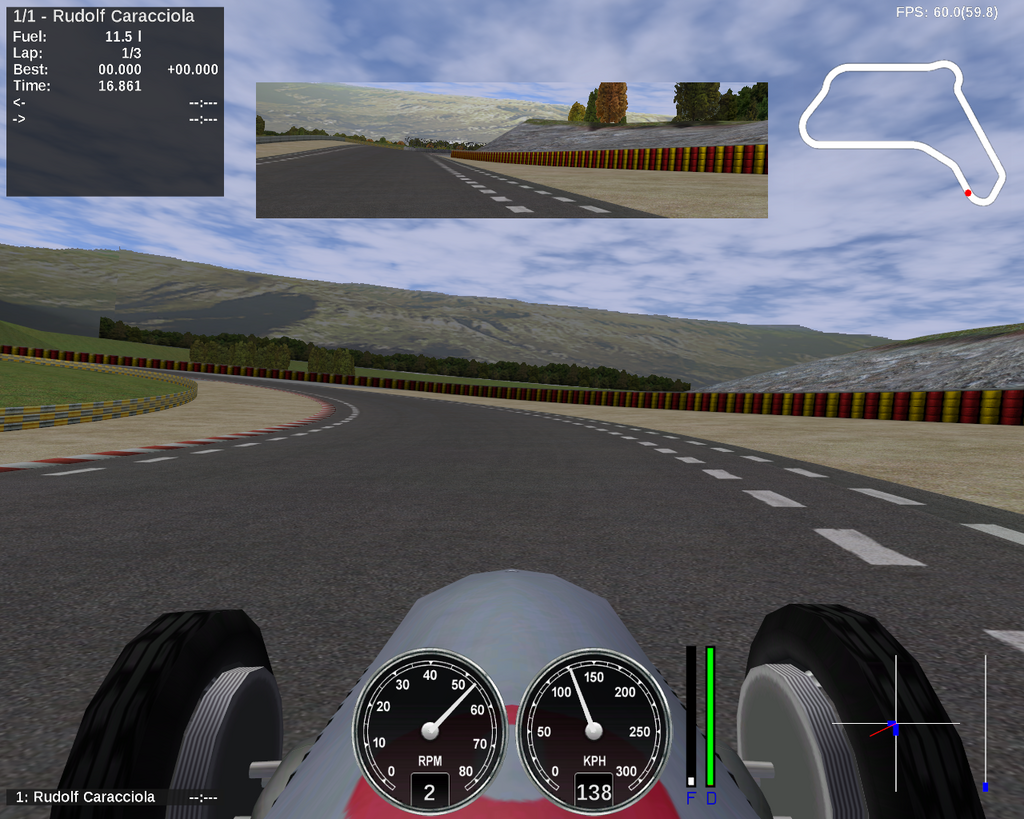
The goal of this software is to simulate every variable that affects a car's performance. When you combine realistic software with responsive hardware, the line between virtual and reality starts to blur. You're not just playing a game; you're developing a real skill.
Let's check your understanding of these foundational concepts.