From People to Mascots Corporate Transformations
Introduction to Corporate Mascots
The Face of the Brand
Some of the most memorable brands have a character that speaks for them. Think of a cheerful tiger selling cereal or a gecko selling insurance. These characters, known as mascots, are more than just cartoons. They are the living, breathing personality of a company, designed to build a bridge between a business and its customers.
A mascot’s main job is to make a brand feel more human and approachable. They give customers a character to connect with on an emotional level.
By giving a company a recognizable face, mascots make it easier for people to remember the brand. This character can appear in commercials, on packaging, and at events, creating a consistent and friendly presence. They help tell the brand’s story and communicate its values without using a single word.
Common Mascot Types
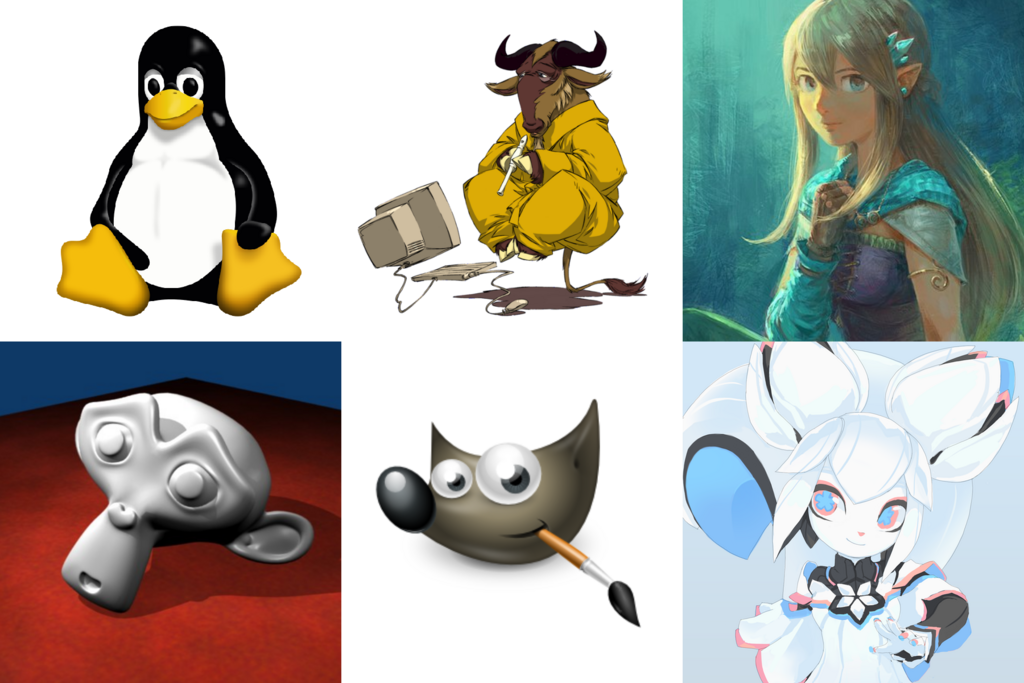
Mascots come in all shapes and sizes, but they usually fall into a few common categories. One of the most popular types is the anthropomorphic animal. These are animals that are given human-like qualities, such as the ability to talk, walk on two legs, and wear clothes. This approach leverages our natural affection for animals to create a positive association with the brand.
Another common type is the original fictional character. These are unique creations made specifically for the brand. They can be humans, monsters, or completely abstract beings. The advantage here is that the brand has complete control over the character’s personality, story, and appearance, ensuring it perfectly aligns with the company's message.
Why Mascots Work
The effectiveness of mascots lies in a psychological principle called anthropomorphism. This is our tendency to attribute human traits, emotions, and intentions to non-human entities. When we see a smiling, friendly character representing a company, our brains process the brand itself as friendly and trustworthy.
Animated mascotsBring brands to life with interactive characters.
This creates a powerful emotional connection. People are more likely to form a bond with a character than with a faceless corporation. A mascot can evoke feelings of nostalgia, happiness, and trust, which all contribute to brand loyalty. They stand out in a crowded market and make a brand’s advertising more engaging and memorable.
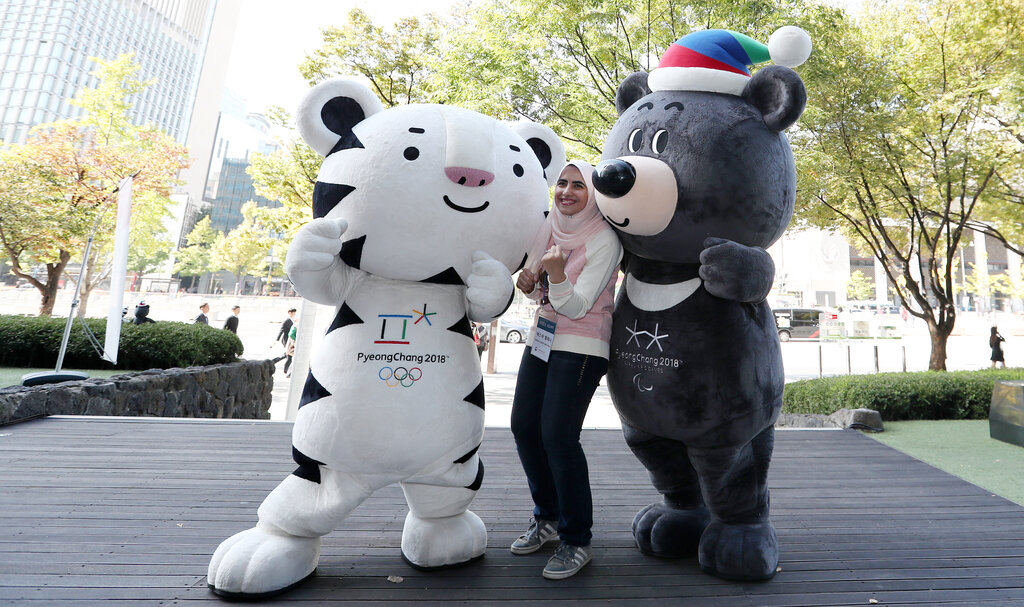
Now, let's review the key ideas about corporate mascots.
Ready to test your knowledge?
What is the primary purpose of a brand mascot?
The psychological principle that explains why we connect with brand mascots by attributing human traits to them is called __________.
By serving as a brand's ambassador, a well-designed mascot can become an invaluable asset, building lasting customer relationships.